A Choreographer's Creative Process in Real Time | Wayne McGregor | TED Talks
TL;DR
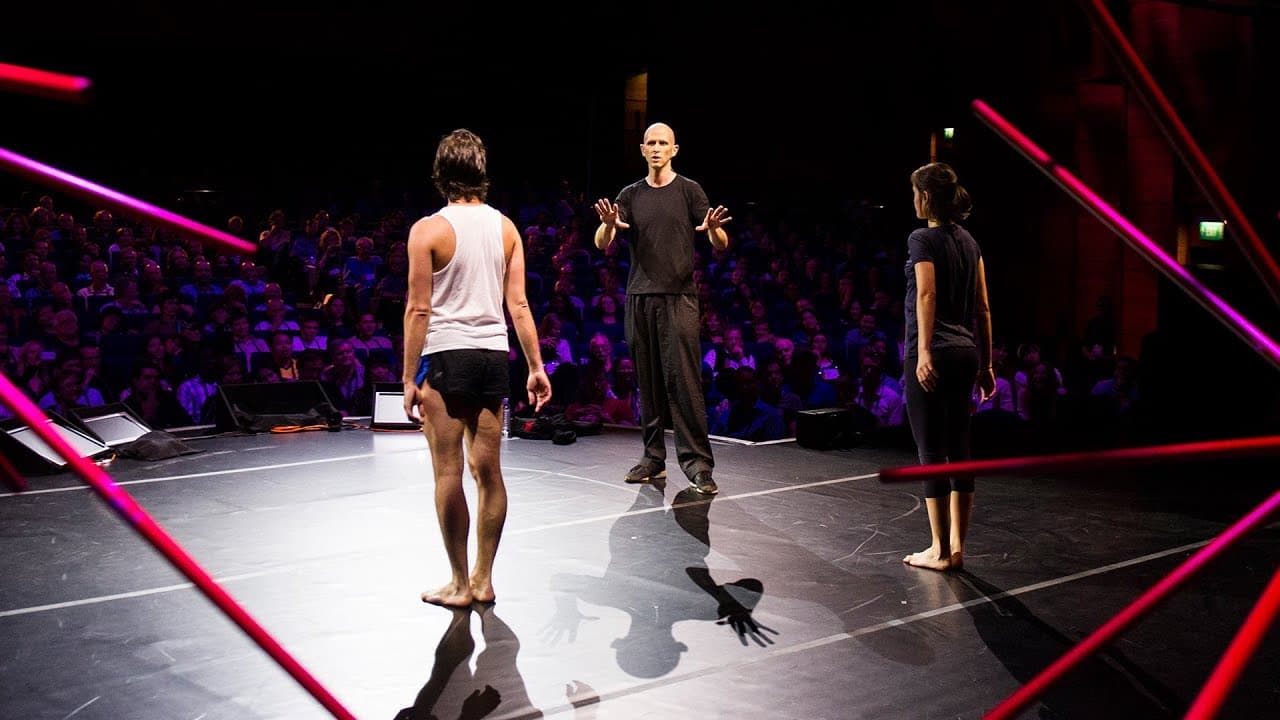
In this TED Talk, choreographer Wayne McGregor explores the concept of physical thinking and demonstrates three different methods of creating dance.
Transcript
Translator: Joseph Geni Reviewer: Morton Bast As you might imagine, I'm absolutely passionate about dance. I'm passionate about making it, about watching it, about encouraging others to participate in it, and I'm also really passionate about creativity. Creativity for me is something that's absolutely critical, and I think it's something that you c... Read More
Key Insights
- 👟 Passion for dance and creativity is key: The speaker is passionate about dance and believes that creativity can be taught and shared. It is important to encourage others to participate in dance and express their own voices.
- 🙌 Influence of role models: The speaker was inspired by John Travolta in the 1970s, who served as a male role model for him to start dancing. Having supportive parents and access to a local dance studio played a crucial role in his journey.
- 🧠 Obsession with the technology of the body: The speaker believes that the human body is the most technologically literate thing we have and is obsessed with finding ways to communicate ideas through the body to touch and move audiences.
- 🌍 Collaboration across domains: The speaker collaborates with a diverse range of professionals, including designers, visual artists, economists, anthropologists, neuroscientists, and cognitive scientists, to bring different expertise to the creative process of choreography.
- 💡 Physical thinking and kinesthetic intelligence: The speaker emphasizes physical thinking as a form of cognitive process that can be harnessed to think differently about things. He encourages the audience to use choreographic thinking and kinesthetic intelligence to expand their ways of thinking.
- 👥 Three methods of choreography demonstrated: The speaker demonstrates three different methods of choreography, including body-to-body transfer, using dancers as objects to think with, and task-based autonomy, to showcase the possibilities and creativity in dance.
- 💃 Mental architectures and vivid imagery: The speaker describes the use of mental architectures and vivid imagery to enable dancers to make choices and create their own movements. This involves imagining letters in the real world and infusing spaces with colors and actions.
- 👏 Encouragement to create and misbehave beautifully: The speaker concludes by encouraging the audience to go away and create their own dance or at least misbehave more beautifully and more often.
Install to Summarize YouTube Videos and Get Transcripts
Explore YouTube Video Summarizer or Get YouTube Transcript Extractor
Questions & Answers
Q: What inspired the speaker to start dancing?
The speaker was inspired to start dancing by watching John Travolta in movies like "Grease" and "Saturday Night Fever" during the 1970s. He was encouraged and supported by his parents and had a dance teacher who allowed him to create and teach his own dances.
Q: What is the speaker passionate about?
The speaker is passionate about dance and creativity. He loves making and watching dance, as well as encouraging others to participate in it. He believes that creativity can be taught and that it is important to find and express one's own personal voice.
Q: How does the speaker view the body?
The speaker views the body as a highly technologically literate tool for communication. He is obsessed with finding ways to use the body to communicate ideas and emotions to audiences, and believes that choreography is a process of physical thinking.
Q: Who does the speaker collaborate with in his work?
The speaker collaborates with a wide range of people in his work, including designers, visual artists, dancers, other choreographers, economists, anthropologists, neuroscientists, and cognitive scientists. He values the intelligence and expertise that each person brings to the creative process.
Q: What are the different methods or approaches the speaker uses in his choreography?
The speaker uses different methods or approaches in his choreography. These include body-to-body transfer, where he translates movements directly from his own body to someone else's; using the dancers as architectural objects to think with; and task-based methods where the dancers have autonomy in making their own decisions. These methods allow for different ways of accessing and using information in the creative process.
Summary & Key Takeaways
-
The speaker is passionate about dance and creativity, and believes that creativity can be taught and shared.
-
The speaker became interested in dance as a child and had an opportunity to express his own voice through creating and teaching dances.
-
The speaker is obsessed with exploring the technology of the body and finding ways to communicate ideas through movement to impact audiences.
Read in Other Languages (beta)
Share This Summary 📚
Summarize YouTube Videos and Get Video Transcripts with 1-Click
Try YouTube Summary with ChatGPT & Claude or YouTube Transcript Generator
Explore More Summaries from TED 📚

Summarize YouTube Videos and Get Video Transcripts with 1-Click
Try YouTube Summary with ChatGPT & Claude or YouTube Transcript Generator