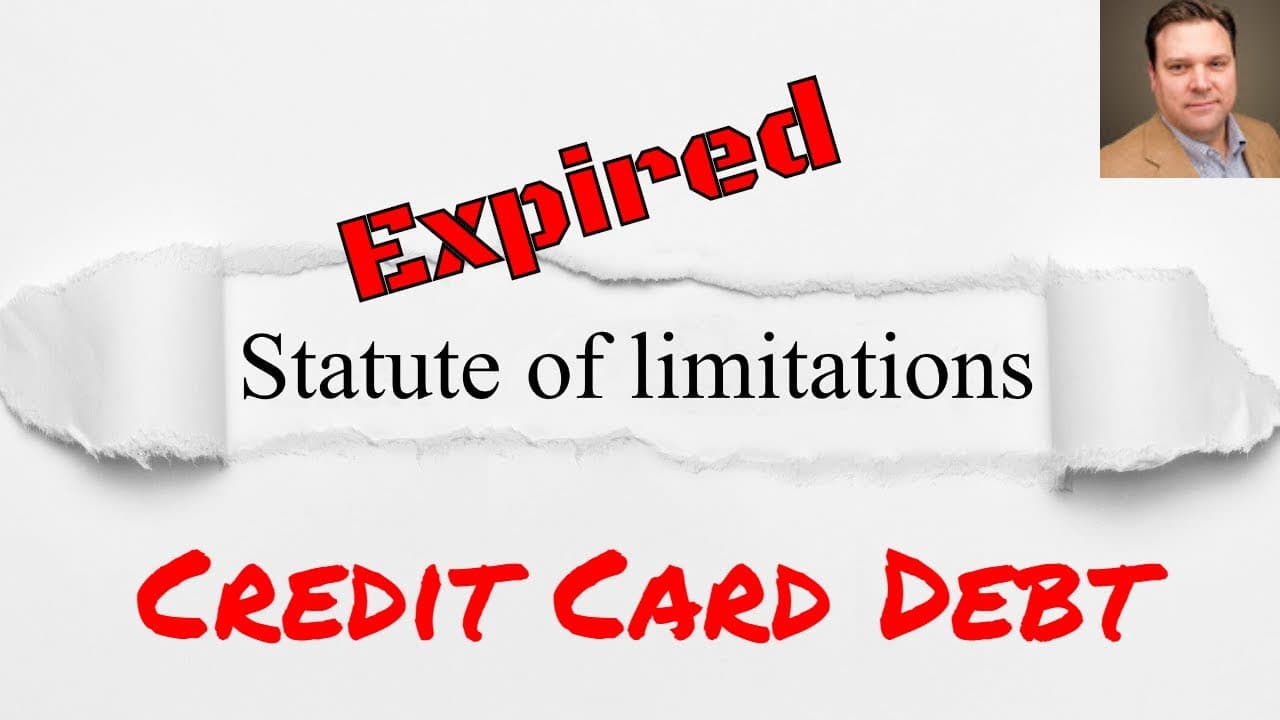
What is the Statute of Limitations - Credit Card Debt?
TL;DR
The statute of limitations is the period of time that creditors have to sue you for unpaid credit card debt, and it can be a powerful defense in lawsuits.
Transcript
- In today's video, we're going to discuss what the statute of limitations is on a credit card debt, why it's so important, and some of the biggest misunderstandings I hear from clients when it comes to dealing with the statute of limitations as a defense to a credit card collection action. My name is John Skiba. I'm a consumer protection attorney ... Read More
Key Insights
- 💳 The statute of limitations determines the timeframe within which creditors can sue for unpaid credit card debt, protecting debtors from prolonged collection actions.
- 👨🔬 Each state has different statutes of limitations, and it's crucial to research and understand the laws of your specific jurisdiction.
- ✍️ Making a payment or acknowledging the debt in writing can reset the statute of limitations, giving creditors more time to file a lawsuit.
- 🪘 Once a lawsuit is filed within the statute of limitations, the defense of expired limitations no longer applies.
- 😷 Creditors can ask for voluntary payment even after the statute of limitations has expired, but they cannot take legal action to enforce payment.
- 🗯️ Consumers should be aware of their rights and seek legal advice if they are sued or harassed by debt collectors.
- 🆘 Understanding the statute of limitations can help individuals make informed decisions regarding their debt and potential legal actions.
Install to Summarize YouTube Videos and Get Transcripts
Explore YouTube Video Summarizer or Get YouTube Transcript Extractor
Questions & Answers
Q: What is the statute of limitations on credit card debt?
The statute of limitations varies depending on the state, but it typically ranges from three to ten years. It's crucial to research the specific statute for your state to understand the timeframe.
Q: Can making a payment reset the statute of limitations?
Yes, if you make a payment on the debt or acknowledge it in writing, it can reset the statute of limitations. It's essential to be cautious about making any payments without understanding the implications.
Q: Can a debt collector continue a lawsuit beyond the statute of limitations?
If a lawsuit is filed within the statute of limitations, it can continue even if it lasts for years. Once the lawsuit is filed within the allowed timeframe, the statute of limitations defense no longer applies.
Q: Can creditors still ask for payment after the statute of limitations has expired?
While creditors can ask for voluntary payment after the statute of limitations has expired, they cannot force payment or take legal action against you. You have the right to refuse voluntary payment.
Summary & Key Takeaways
-
The statute of limitations is the timeframe creditors have to sue for unpaid credit card debt before they are barred from doing so.
-
Most states have a statute of limitations ranging from three to ten years for credit card debts.
-
Payments or acknowledgments of debt can reset the statute of limitations, and it begins accruing from the first missed payment.
Read in Other Languages (beta)
Share This Summary 📚
Summarize YouTube Videos and Get Video Transcripts with 1-Click
Try YouTube Summary with ChatGPT & Claude or YouTube Transcript Generator
Explore More Summaries from Consumer Warrior 📚
Summarize YouTube Videos and Get Video Transcripts with 1-Click
Try YouTube Summary with ChatGPT & Claude or YouTube Transcript Generator