Intro to Papers for Fashion Designers & Illustrators
TL;DR
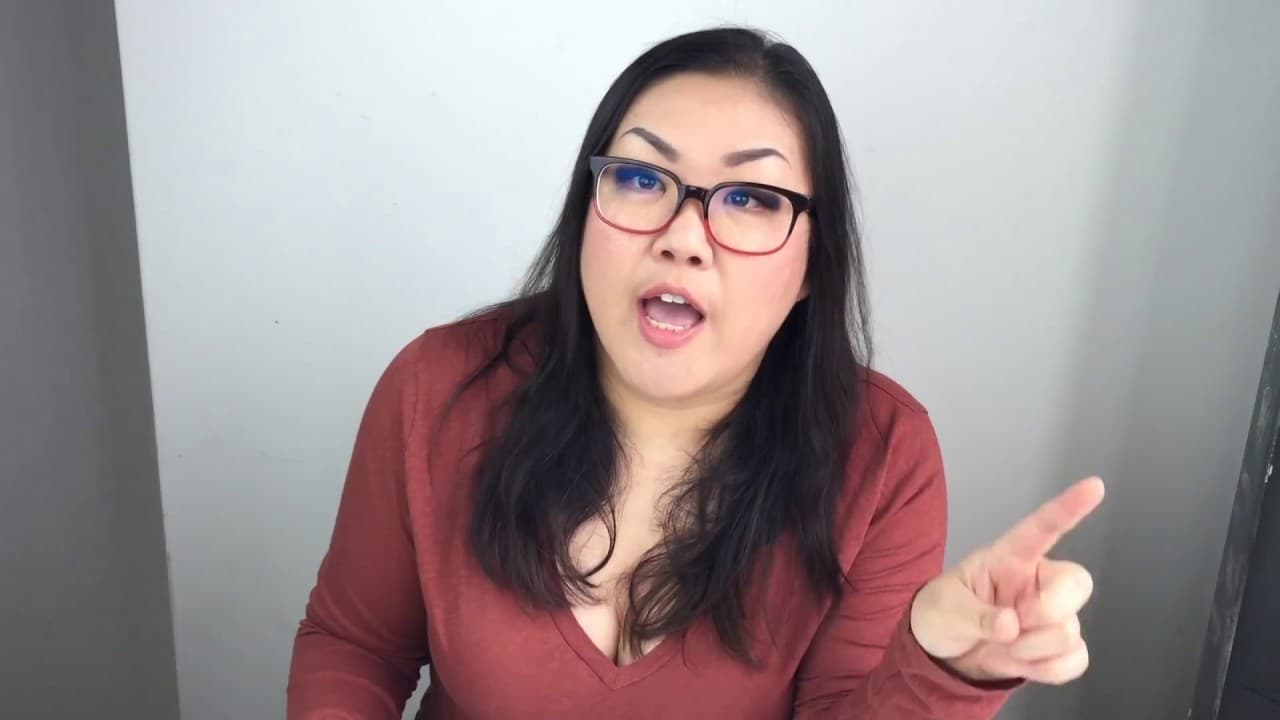
This video provides a detailed explanation of various types of paper used in illustration, including marker paper, tracing paper, copy paper, watercolor paper, and more.
Transcript
hi guys today we're gonna talk about paper and the kind of different kinds of paper I use in my illustration process so if you know everything there's smell paper see you next time otherwise stick around I want to help you shop for paper because remember the first time you went to an art store looking for paper and you saw like a whole wall of diff... Read More
Key Insights
- 🏮 Understanding the weight and texture of paper is crucial for choosing the right type of paper for various illustration techniques.
- 🏮 Marker paper is lightweight and transparent, while tracing paper is suitable for seeing through templates.
- 🏮 Copy paper is inexpensive and ideal for quick, rough sketches.
- 🖇️ Rendering paper provides a balance between durability and ink absorption.
- 🏮 Different types of paper, such as vellum and smooth surfaces, offer distinct advantages for specific illustration styles.
- 📰 Watercolor paper varies in weight and texture, with hot press paper being smooth and cold press paper having a more textured surface.
- 🔉 Choosing the correct paper for illustration depends on the desired effect, medium, and technique.
Install to Summarize YouTube Videos and Get Transcripts
Explore YouTube Video Summarizer or Get YouTube Transcript Extractor
Questions & Answers
Q: What are the different types of paper used in illustration?
There are several types, including marker paper, tracing paper, copy paper, rendering paper, sketching paper, Bristol paper, and watercolor paper.
Q: How do you choose the right paper for illustration?
It depends on the medium and technique you are using. Consider factors like weight, texture, and transparency to select the appropriate paper.
Q: What is the difference between hot press and cold press paper?
Hot press paper is smooth and ideal for detailed work, while cold press paper has more texture and is suited for textured renderings.
Q: How do you determine the correct side of marker paper to use?
Experiment by marking one side and folding it to see which side renders and blends more smoothly. Choose the side that gives you the desired result.
Q: Why is watercolor paper available in different weights?
The weight of watercolor paper determines its ability to absorb water. Thicker paper is suitable for adding more water and layers, while thinner paper is better for opaque washes.
Summary & Key Takeaways
-
The video discusses different types of paper used in illustration, from thinnest to thickest.
-
The presenter emphasizes the importance of understanding the weight and texture of paper for different illustration techniques.
-
She provides insights on marker paper, tracing paper, copy paper, rendering paper, sketching paper, Bristol paper, and watercolor paper.
Read in Other Languages (beta)
Share This Summary 📚
Summarize YouTube Videos and Get Video Transcripts with 1-Click
Try YouTube Summary with ChatGPT & Claude or YouTube Transcript Generator
Explore More Summaries from Zoe Hong 📚


Summarize YouTube Videos and Get Video Transcripts with 1-Click
Try YouTube Summary with ChatGPT & Claude or YouTube Transcript Generator