Living Forward PR Vid Short
TL;DR
Create a life plan to avoid drifting through life.
Transcript
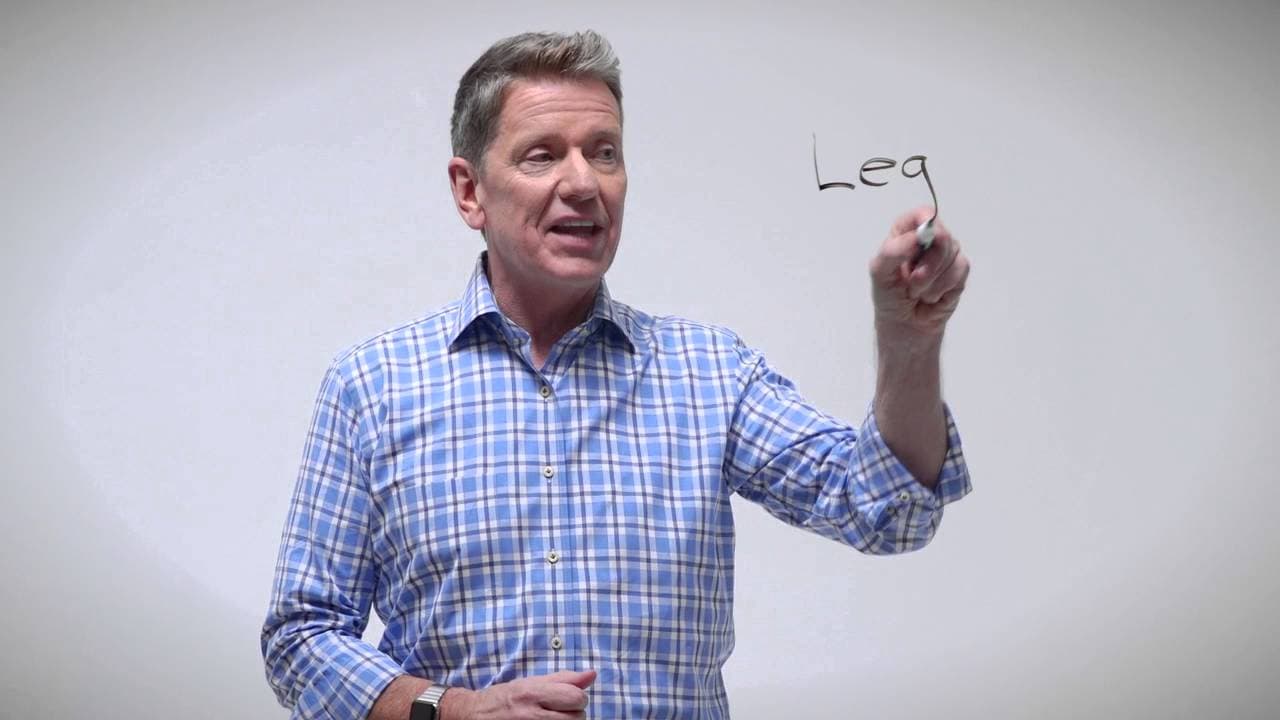
hi I'm Michael Hyatt and I'm Daniel Harkavy together we wrote the new book living forward it's about how to stop drifting and get the life you want but before we tell you about the book I want to tell you a little bit about my friend Daniel Daniel is a coaches coach in fact it was my executive coach for 10 years among his clients are some of the mo... Read More
Key Insights
- Michael Hyatt and Daniel Harkavy's book 'Living Forward' emphasizes the importance of creating a life plan to stop drifting and achieve the life you desire.
- Drifting is defined as a lack of direction in life, leading to unfulfillment and being off course from intended goals.
- The life plan is a proactive approach, contrasting the reactive nature of drifting, enabling intentional decision-making.
- Creating a life plan involves answering three questions: how you want to be remembered, what matters most to you, and how to achieve your goals.
- The life plan brings clarity, helping individuals understand what is truly important in their lives and the necessary steps to achieve it.
- Having a life plan provides courage to prioritize important aspects over less significant ones, enabling better decision-making.
- Control is a significant benefit of a life plan, allowing individuals to manage their lives better by focusing on controllable aspects.
- Developing a life plan is simple and can be accomplished in one day, offering a dynamic tool for lifelong guidance.
Install to Summarize YouTube Videos and Get Transcripts
Explore YouTube Video Summarizer or Get YouTube Transcript Extractor
Questions & Answers
Q: What is the main concept of the book 'Living Forward'?
The main concept of 'Living Forward' is the creation of a life plan to prevent drifting through life without direction. The book emphasizes the importance of intentionality and proactive decision-making to achieve personal and professional goals, ensuring that individuals live a fulfilling and purposeful life.
Q: How do the authors define 'drift' in the context of life?
In the context of life, 'drift' is defined as a state of being off course and lacking direction, leading to feelings of unfulfillment and dissatisfaction. It occurs when individuals react to life passively without a clear plan or intentionality, causing them to deviate from their intended goals and priorities.
Q: What are the three questions central to creating a life plan?
The three central questions for creating a life plan are: 1) How do you want to be remembered? This pertains to your legacy. 2) What matters most to you? This helps identify your priorities. 3) How do you get from where you are to where you want to be? This involves developing an action plan to achieve your goals.
Q: How does a life plan provide clarity?
A life plan provides clarity by helping individuals understand what truly matters in their lives and where they want to end up in each area. It outlines the necessary action steps to achieve these goals, ensuring that daily decisions align with long-term aspirations, thus offering a clear path forward.
Q: What role does courage play in implementing a life plan?
Courage in implementing a life plan involves the ability to prioritize important aspects of life over less significant ones. The plan acts as a filter, allowing individuals to confidently say yes to what truly matters and no to distractions, thereby making intentional and bold decisions aligned with their values.
Q: How does a life plan help in gaining control over one's life?
A life plan helps individuals gain control by focusing on aspects they can manage, rather than feeling overwhelmed by uncontrollable elements. It provides a structured approach to decision-making, enabling individuals to take charge of their lives, reduce chaos, and align actions with their personal and professional goals.
Q: What is the process for creating a life plan according to the authors?
According to the authors, creating a life plan is a simple process that can be completed in one day. It involves answering three powerful questions about legacy, priorities, and action steps. This dynamic, short-written tool serves as a lifelong guide, helping individuals make intentional decisions that align with their life goals.
Q: Why do the authors believe a life plan is necessary?
The authors believe a life plan is necessary to combat the drift of life, which leads to unfulfillment and lack of direction. A life plan provides clarity, courage, and control, enabling individuals to live proactively, make intentional decisions, and achieve personal and professional goals, ultimately leading to a more satisfying life.
Summary & Key Takeaways
-
Michael Hyatt and Daniel Harkavy discuss their book 'Living Forward,' which advocates for creating a life plan to combat life's drift. They define drift as a lack of direction leading to unfulfillment and emphasize the importance of intentionality in achieving personal and professional goals.
-
The authors highlight the simplicity of creating a life plan, which involves answering three key questions about legacy, priorities, and action steps. This plan helps individuals gain clarity, courage, and control over their lives, enabling them to focus on what's truly important.
-
By developing a life plan, individuals can prevent drifting and live proactively. The plan serves as a filter for decision-making, ensuring that actions align with personal values and long-term goals, ultimately leading to a more fulfilling and controlled life.
Read in Other Languages (beta)
Share This Summary 📚
Summarize YouTube Videos and Get Video Transcripts with 1-Click
Try YouTube Summary with ChatGPT & Claude or YouTube Transcript Generator
Explore More Summaries from Michael Hyatt 📚

Summarize YouTube Videos and Get Video Transcripts with 1-Click
Try YouTube Summary with ChatGPT & Claude or YouTube Transcript Generator