What Is Carnosine and How Does It Benefit Your Body?
TL;DR
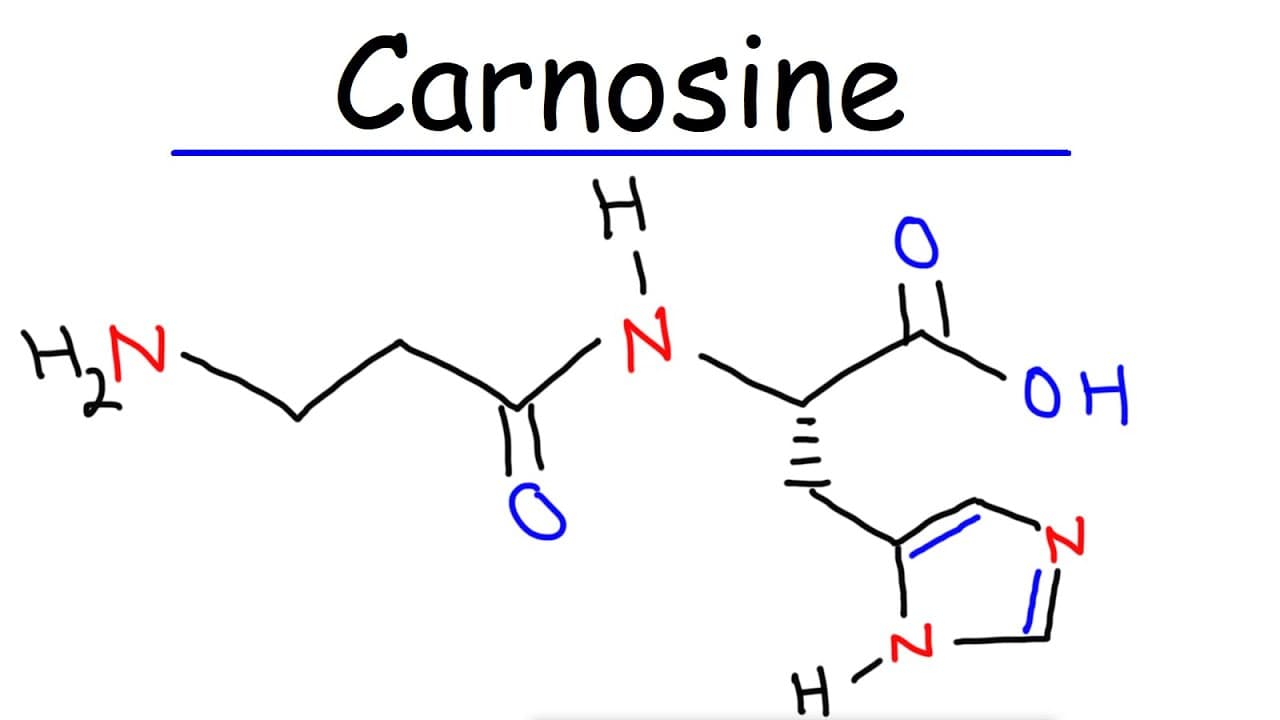
Carnosine is a dipeptide made from histidine and beta alanine that acts as an antioxidant and inhibits glycation, preventing sugars from damaging proteins. It can also chelate heavy metals and stabilize pH levels in the body. Its benefits include reducing oxidative stress and the formation of advanced glycation end products (AGEs) that can cause health issues.
Transcript
today we're going to talk about carnosine what is carnosine carnosine is a dipeptide a dipeptide is a molecule that is made up of two amino acids and you can see the peptide bond which makes up that amide functional group that connects the two amino acids on the right we have the amino acid histidine on the left the remaining portion comes from bet... Read More
Key Insights
- ☠️ Carnosine is a dipeptide made up of histidine and beta alanine, and beta alanine is the rate-limiting factor in its production in the body.
- 🥶 Carnosine acts as an antioxidant, reducing oxidative stress and neutralizing free radicals.
- ❓ It inhibits glycation, preventing sugars from binding to proteins and causing detrimental effects.
- 🥺 Excess sugar in the diet increases the risk of glycation, leading to the formation of advanced glycation end products (AGEs).
- 💁 The imidazole ring in the histidine part of carnosine stabilizes shift bases formed between carnosine and reducing sugars, reducing the formation of AGEs.
- 🤕 Vitamin C, vitamin E, and vitamin A are also effective in reducing oxidative stress and the formation of AGEs.
- ❣️ Carnosine can also chelate heavy metal ions and stabilize pH levels in the body.
Install to Summarize YouTube Videos and Get Transcripts
Explore YouTube Video Summarizer or Get YouTube Transcript Extractor
Questions & Answers
Q: What are the two amino acids that make up carnosine?
Carnosine is composed of histidine and beta alanine.
Q: How does carnosine act as an antioxidant?
Carnosine reduces oxidative stress by neutralizing free radicals and other reactive oxygen species in the body.
Q: What is glycation and how does carnosine inhibit it?
Glycation is a process where sugars bind to proteins, altering their shape and function. Carnosine inhibits glycation by preventing sugars from reacting with amino groups in proteins, particularly lysine.
Q: Besides its antioxidant and anti-glycation properties, what are other functions of carnosine?
Carnosine can chelate heavy metal ions and stabilize the pH levels in the body.
Summary & Key Takeaways
-
Carnosine is a dipeptide composed of histidine and beta alanine, two amino acids.
-
It acts as an antioxidant, reducing oxidative stress and neutralizing free radicals.
-
Carnosine inhibits glycation, preventing sugars from binding to proteins and altering their shape and function.
-
Additionally, it can chelate heavy metal ions and stabilize pH levels in the body.
Read in Other Languages (beta)
Share This Summary 📚
Summarize YouTube Videos and Get Video Transcripts with 1-Click
Try YouTube Summary with ChatGPT & Claude or YouTube Transcript Generator
Explore More Summaries from The Organic Chemistry Tutor 📚




Summarize YouTube Videos and Get Video Transcripts with 1-Click
Try YouTube Summary with ChatGPT & Claude or YouTube Transcript Generator