Pioneers in Science: Ellen Stofan
TL;DR
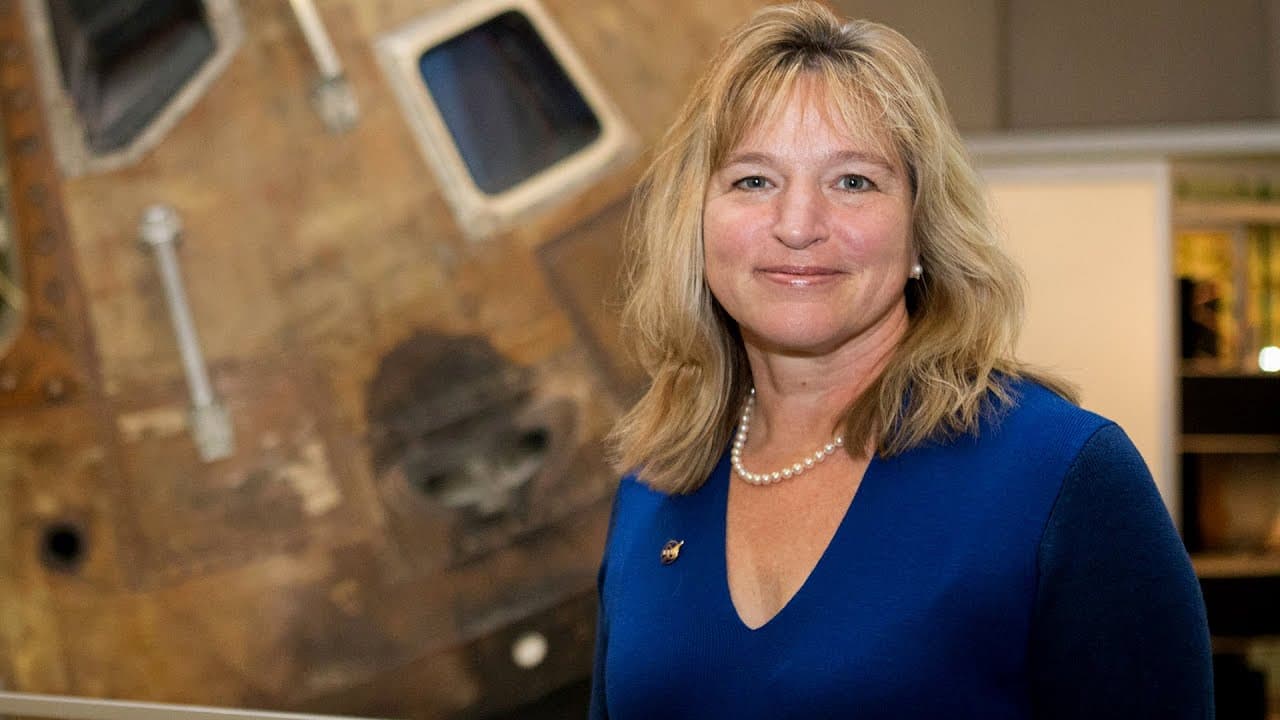
Ellen Stofan is a pioneer in planetary geology with a passion for space exploration and a desire to find life beyond Earth.
Transcript
1961 a time of rising Cold War tensions and a bold proclamation by President John F Kennedy in the midst of a superpower space race I believe that this nation should commit itself to achieving the goal before this decade is out of landing a man on the moon and returning him safely to the air two kids who saw the space race up close and personal bac... Read More
Key Insights
- 👾 Ellen Stofan's early experiences during the space race and her family's influence shaped her passion for science and space exploration.
- 💦 Her groundbreaking work in planetary geology has provided valuable insights into the composition and potential habitability of celestial bodies like Venus, Mars, and Titan.
- 😀 As the chief scientist of NASA, Stofan is focused on the goal of sending humans to Mars, facing challenges such as entry, descent, and landing, and sustaining astronauts on the planet.
Install to Summarize YouTube Videos and Get Transcripts
Explore YouTube Video Summarizer or Get YouTube Transcript Extractor
Questions & Answers
Q: How did Ellen Stofan's upbringing influence her interest in science and space?
Ellen Stofan's father worked as a rocket engineer at NASA, and her mother taught elementary school science, creating a family environment that nurtured her interest in science and space exploration. Additionally, witnessing the space race during the 60s further fueled her fascination.
Q: What are some of Ellen Stofan's notable achievements in planetary geology?
Ellen Stofan has conducted pioneering studies on Venus, Mars, and Saturn's moon, Titan. Her work has provided valuable insights into the composition and characteristics of these celestial bodies, with a focus on understanding their geological processes and potential for supporting life.
Q: What is Ellen Stofan's main goal as the chief scientist of NASA?
Ellen Stofan's primary objective is to advance NASA's mission of sending humans to Mars by the mid-2030s. This involves overcoming various technological challenges, such as developing reliable entry, descent, and landing systems and finding ways to sustain astronauts on Mars through growing food and ensuring their safety.
Q: How is NASA working towards the discovery of potentially inhabited planets?
NASA's Kepler space telescope has already detected over a thousand planets around other stars. The next step is to study the atmospheres of some of these planets using the James Webb Space Telescope. By analyzing these atmospheres, scientists hope to identify potentially habitable planets and determine if life exists beyond Earth.
Summary & Key Takeaways
-
Ellen Stofan grew up in Ohio during the 60s, witnessing the space race and developing a fascination with space and science.
-
She pursued a career in planetary geology and made groundbreaking contributions to the study of Venus, Mars, and Saturn's moon, Titan.
-
In 2013, she was appointed as the chief scientist of NASA and is dedicated to the mission of sending humans to Mars by the mid-2030s.
Read in Other Languages (beta)
Share This Summary 📚
Summarize YouTube Videos and Get Video Transcripts with 1-Click
Try YouTube Summary with ChatGPT & Claude or YouTube Transcript Generator
Explore More Summaries from World Science Festival 📚




Summarize YouTube Videos and Get Video Transcripts with 1-Click
Try YouTube Summary with ChatGPT & Claude or YouTube Transcript Generator