The Crinoline Cage - Professor Lynda Nead
TL;DR
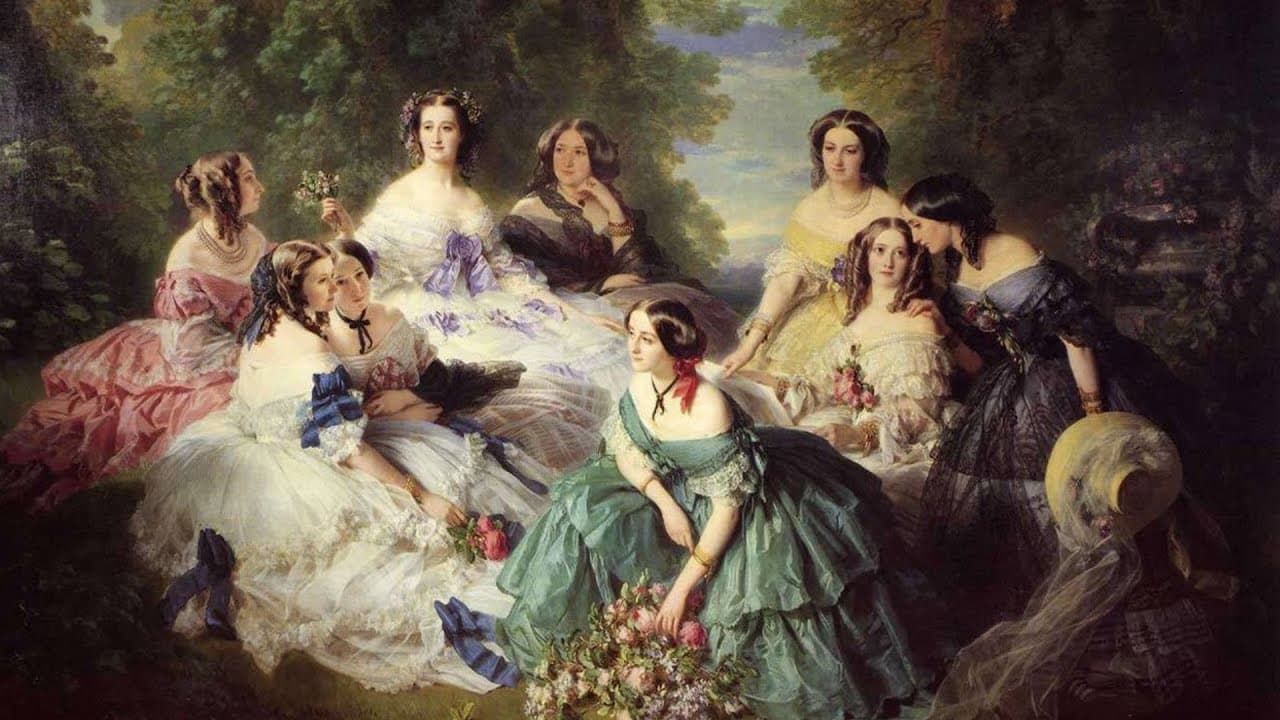
This lecture delves into the complexities of women's fashionable dress in the 19th century, specifically focusing on the crinoline, and challenges conventional notions of female passivity by examining the potential pleasure and power that fashion can provide.
Transcript
I'd like to welcome you all to the second in this series of lectures on fashionable dress art and modernity in the nineteenth century some of you may have been at the first lecture in the series which was called men in black where I talked about men's dress in the middle decades of the nineteenth century and particularly about the image of the swel... Read More
Key Insights
- 😑 Fashion in the 19th century was an embodied practice that allowed women to express themselves and explore their identities.
- ✊ The crinoline, despite its criticism, provided women with a sense of power and pleasure through its extravagant appearance.
- 🧔♀️ Satirical cartoons and media portrayed the crinoline as deceitful and burdensome, reflecting society's discomfort with women asserting themselves through fashion.
Install to Summarize YouTube Videos and Get Transcripts
Explore YouTube Video Summarizer or Get YouTube Transcript Extractor
Questions & Answers
Q: How did women respond to the inconvenience and potential hazards of wearing crinolines?
Women found ways to navigate these challenges, such as abandoning their crinolines during crowded events or creating more flexible and comfortable designs. Despite the risks, many women enjoyed the fashion and found pleasure in its extravagant appearance.
Q: How did British society view the crinoline and its wearers?
The crinoline was often ridiculed in the British media, with cartoons depicting it as a deceitful and cumbersome fashion trend. Men, in particular, saw the crinoline as invading their space and criticized women for indulging in excessive consumption.
Q: Did wearing fashionable dresses in the 19th century symbolize power for women?
Yes, the lecture argues that women found power and pleasure in their fashionable dress. By creating an image of themselves as exceptional and outstanding, women challenged conventional notions of femininity and revealed their agency in shaping their identities.
Q: How did dress styles evolve during the 19th century?
Dress styles became larger and more ornate during this period, with skirts growing wider and requiring the use of multiple petticoats. Technological advancements led to the invention of the crinoline, which replaced heavy petticoats and allowed for more flexible and fashionable designs.
Summary & Key Takeaways
-
The lecturer explores the question of whether the crinoline, a 19th century dress style, symbolized female passivity or if it can be seen as a sign of female presence and power.
-
The content includes anecdotes such as women abandoning their crinolines during celebrations, personal letters discussing the joy of wearing specific dresses, and satirical cartoons mocking the fashion trend.
-
The lecturer argues that fashion is an embodied practice that allows women to express themselves and explore their identities, challenging the idea that fashion only enforces societal norms.
Read in Other Languages (beta)
Share This Summary 📚
Summarize YouTube Videos and Get Video Transcripts with 1-Click
Try YouTube Summary with ChatGPT & Claude or YouTube Transcript Generator
Explore More Summaries from Gresham College 📚


Summarize YouTube Videos and Get Video Transcripts with 1-Click
Try YouTube Summary with ChatGPT & Claude or YouTube Transcript Generator