The science of magic: Why our minds are so easily deceived
TL;DR
- Magic tricks reveal insights into human cognition, perception, and deception.
Transcript
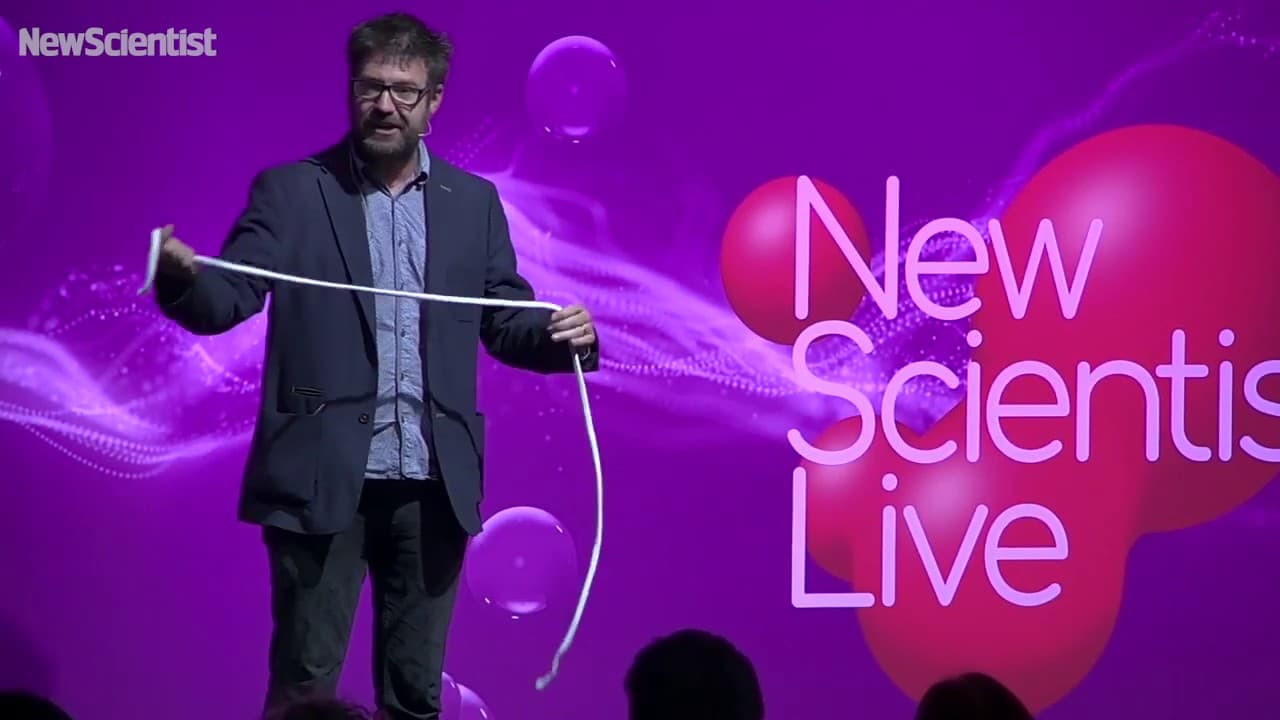
do you remember the first time you saw a magic trick that may have been your uncle making a coin appear from behind your ears or a really silly trick like this I love magic and I spent most of my life dedicated to this weird world of illusion and deception in the first part of my life I simply used magic to entertain people however for the last 15 ... Read More
Key Insights
- 🧠 Magic tricks demonstrate the brain's ability to predict and compensate for visual delays.
- ❓ Magicians exploit cognitive limitations to create illusions and misdirection in perception.
- 🧠 Research studies on magic reveal activations in brain areas associated with conflict and perception discrepancies.
- 💁 Understanding human cognition through magic can inform technology design and human-computer interactions.
- ❓ Memory and perception can be influenced by cognitive tricks, affecting legal systems and interpersonal interactions.
- 😒 The brain uses clever algorithms and heuristics to solve complex tasks, as evident in magic tricks.
- 🪄 Magic reveals insights into human consciousness, cognitive processes, and the nature of perception.
Install to Summarize YouTube Videos and Get Transcripts
Explore YouTube Video Summarizer or Get YouTube Transcript Extractor
Questions & Answers
Q: How does magic help in studying the human mind?
Magic tricks provide insights into cognitive processes, misdirection, and the discrepancy between belief and experience. By studying how the brain processes illusions, researchers can understand more about human consciousness.
Q: What brain regions are activated during magic tricks?
Studies have shown activation in the dorsolateral prefrontal cortex and anterior cingulate cortex when experiencing conflicting information, demonstrating the brain's response to magic's illusion and deception.
Q: How can magic impact technologies like artificial intelligence?
By understanding human perception and cognitive limitations through magic, researchers can design better human-computer interfaces, avoid distractions, and improve user experiences in technology applications.
Q: What implications does magic have for memory and perception?
Magic shows how memory and perception can be influenced, highlighting the reconstructive nature of memory. Understanding these aspects can have implications for legal systems and human interactions based on perception and memory.
Summary & Key Takeaways
-
Magic tricks are used to explore the human mind, studying misdirection and cognitive illusions.
-
Research studies brain activation during magic tricks, showing involvement in conflict areas.
-
Magicians exploit cognitive limitations, impacting perception and everyday experiences.
Read in Other Languages (beta)
Share This Summary 📚
Summarize YouTube Videos and Get Video Transcripts with 1-Click
Try YouTube Summary with ChatGPT & Claude or YouTube Transcript Generator
Explore More Summaries from New Scientist 📚

Summarize YouTube Videos and Get Video Transcripts with 1-Click
Try YouTube Summary with ChatGPT & Claude or YouTube Transcript Generator