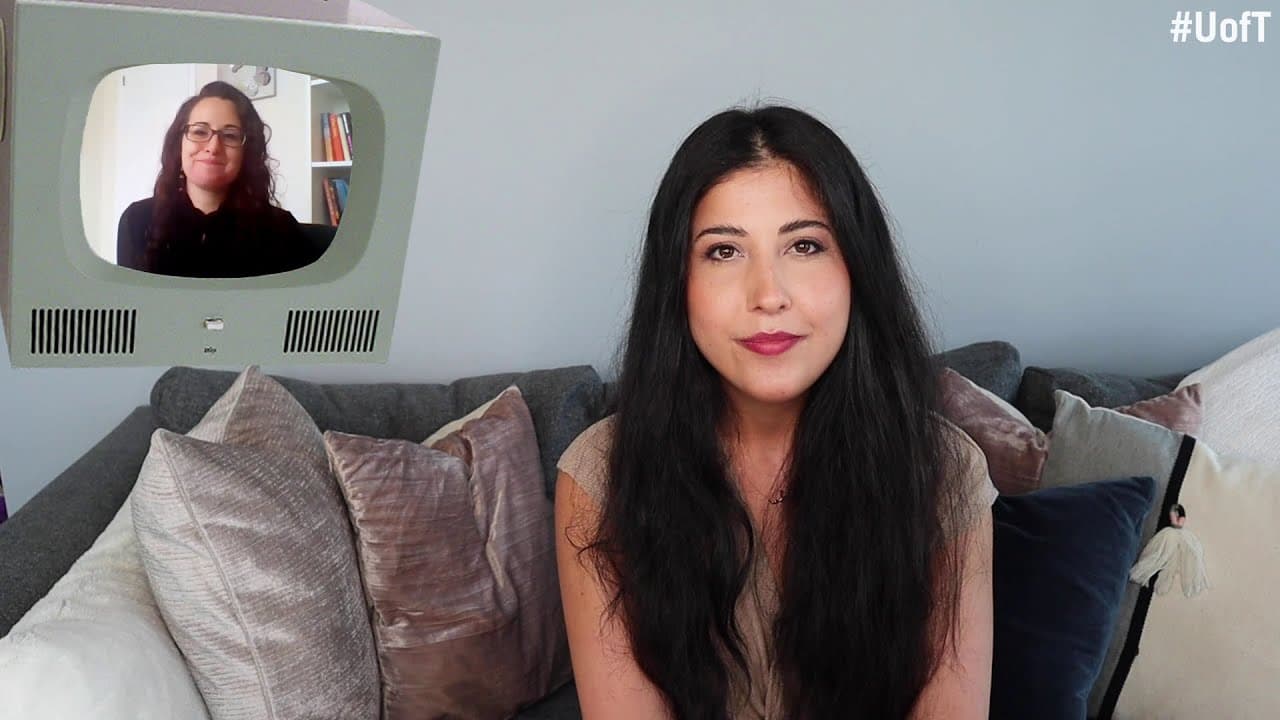
3Qs at the U Ep. 5 with Science Sam and Jennifer Brant on COVID-19 and Indigenous Peoples
TL;DR
Covid-19 has highlighted the health disparities and structural barriers faced by Indigenous communities, including the lack of access to clean water, and calls for immediate action to address these inequalities.
Transcript
Covid-19 is impacting communities across the country and Indigenous communities are, of course, no exception. So, I thought that it would be great to check in with Jennifer Brant, an Assistant Professor at the Ontario Institute for Studies and Education at the University of Toronto. Hi Jennifer. - Hi Sam. - Could you explain for us some of the heal... Read More
Key Insights
- 😀 Covid-19 has brought attention to the health disparities and structural barriers faced by Indigenous communities, which have been exacerbated during the pandemic.
- 🖤 The lack of access to clean water and sanitation in First Nations communities poses significant risks to their health during infectious disease outbreaks.
- 🛀 Indigenous communities have shown adaptability and resilience by implementing protective measures and utilizing virtual platforms to maintain cultural connections.
- 🖤 The government's response to protecting Indigenous communities has been delayed and lacks comprehensive solutions to address the underlying inequities.
Install to Summarize YouTube Videos and Get Transcripts
Explore YouTube Video Summarizer or Get YouTube Transcript Extractor
Questions & Answers
Q: What are some examples of health disparities and structural barriers faced by Indigenous communities during the Covid-19 pandemic?
Indigenous communities face challenges such as the ongoing boil water advisories, which limit access to clean water and sanitation. Communities that do not have advisories rely on bottled water and hand soap, which have become expensive and scarce during the pandemic.
Q: How has the government responded to protect Indigenous communities during the pandemic?
A relief fund for Indigenous peoples living off reserve and in urban centers was announced, but its implementation has been delayed. These measures, however, fail to address the underlying structural inequities, including access to clean drinking water, which still persist.
Q: How have Indigenous communities come together to protect themselves during the pandemic?
Indigenous communities have set up barricades to prevent the spread of Covid-19, particularly to protect the elders who hold vital cultural knowledge. They have also shown resilience and unity through virtual initiatives like the Jingle Dress dance and cooking videos featuring Indigenous chefs.
Q: What more needs to be done to ensure the well-being of Indigenous communities?
Immediate action is needed to address the systemic inequities faced by Indigenous communities, including access to safe, clean drinking water. Band-Aid level responses are insufficient, and a comprehensive approach is required to ensure the well-being of Indigenous peoples.
Summary & Key Takeaways
-
Covid-19 has highlighted the ongoing unfairness and health disparities experienced by Indigenous communities, brought about by a history of infectious diseases and systemic racism.
-
The lack of access to clean water and adequate sanitation in First Nations communities poses significant risks, especially during a pandemic.
-
The H1N1 outbreak in 2009 demonstrated the disproportionate impact on Indigenous communities, emphasizing the need for urgent action to address health disparities.
Read in Other Languages (beta)
Share This Summary 📚
Summarize YouTube Videos and Get Video Transcripts with 1-Click
Try YouTube Summary with ChatGPT & Claude or YouTube Transcript Generator
Explore More Summaries from University of Toronto 📚


Summarize YouTube Videos and Get Video Transcripts with 1-Click
Try YouTube Summary with ChatGPT & Claude or YouTube Transcript Generator