The Return To The Public Piano - Documented by TalkTV
TL;DR
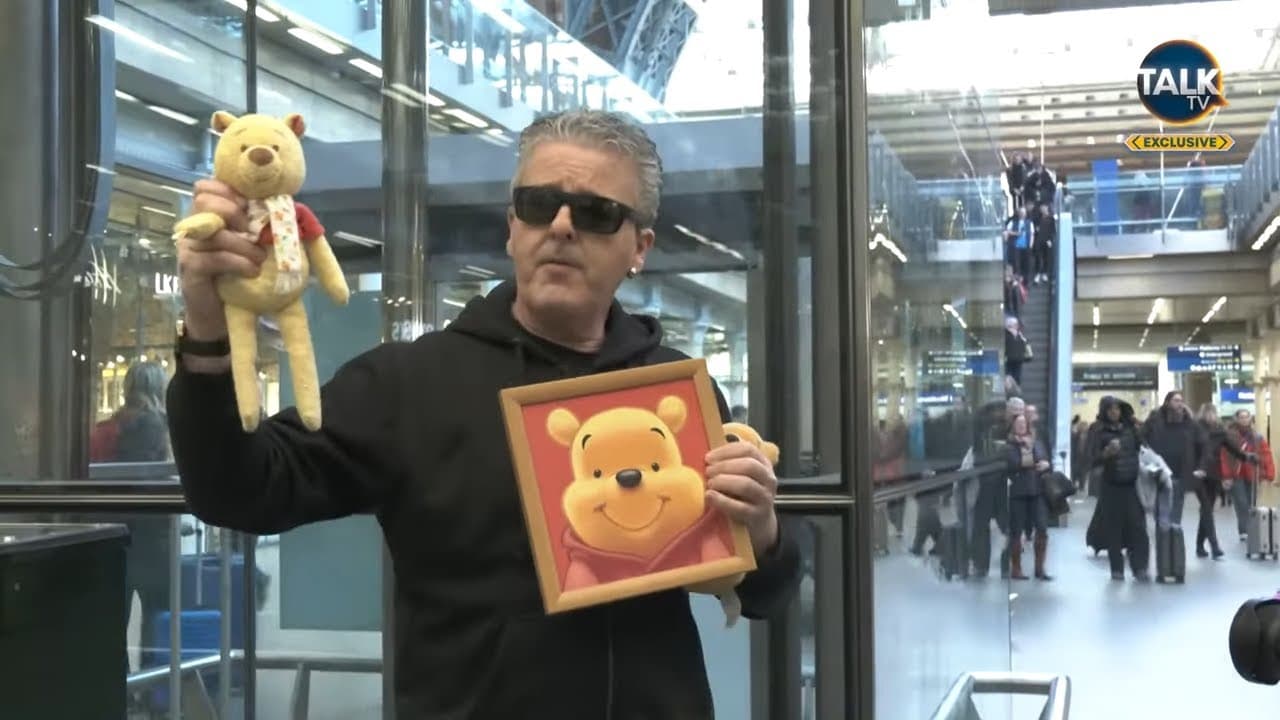
The banning of Winnie the Pooh by the CCP has inadvertently made the character a symbol of artistic freedom.
Transcript
other them all give it to me right okay right so you might be wondering I didn't know that Winnie the Pooh was so subversive okay I've learned so much about Chinese culture about the situation of Hong Kong and Taiwan in the past few days and uh I've come well prepared so if you want to know why I'm holding Min the Poo we need the Poo has been banne... Read More
Key Insights
- 😑 The banning of Winnie the Pooh by the CCP highlights the regime's fear of artistic expression and its attempt to control public narratives.
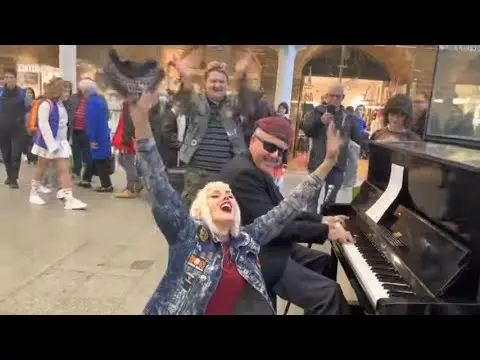
- 🇭🇰 The video featuring the piano performance has become a symbol of resistance, particularly in Hong Kong and Taiwan, where people have experienced oppression.
- 🥰 Artistic freedom has the ability to challenge and undermine authoritarian cultures, showcasing the power of the arts in promoting freedom of expression.
- 🇭🇰 The banning and suppression of songs like "Glory to Hong Kong" further demonstrate the CCP's efforts to control narratives and silence dissent.
- 🇪🇭 The video represents a clash between Western and authoritarian cultures, shedding light on the complexities of living Western lifestyles while upholding an authoritarian ideology.
- 😑 The "strid and effect" caused by attempts to suppress expression can backfire, leading to even greater visibility and support for the cause.
- 🌐 The popularity and widespread sharing of the video showcase the global impact and resonance of the message of artistic freedom.
Install to Summarize YouTube Videos and Get Transcripts
Explore YouTube Video Summarizer or Get YouTube Transcript Extractor
Questions & Answers
Q: Why was Winnie the Pooh banned by the CCP?
Winnie the Pooh was banned by the CCP due to memes comparing Chinese leader Xi Jinping to the character, which hurt Xi's feelings. The ban serves as an example of the regime's fear of artistic expression and its attempt to control the narrative.
Q: How has the video featuring the piano performance become a symbol of resistance?
The video has gained attention in Hong Kong and Taiwan, where people have faced oppression. It represents the clash between Western cultures and authoritarian regimes, showcasing the power of artistic freedom in challenging oppressive systems.
Q: What significance does the banning of "Glory to Hong Kong" have?
The CCP's ban on the song "Glory to Hong Kong" further exemplifies the regime's suppression of free expression. The deletion of the YouTube channel that featured the song highlights the lengths the CCP goes to in silencing dissent.
Q: How does this video demonstrate the strength of artistic expression?
The video serves as a mini parable about artistic freedom. It shows how even seemingly innocent characters like Winnie the Pooh can become powerful symbols of resistance and expression in the face of authoritarianism.
Summary & Key Takeaways
-
Winnie the Pooh has been banned by the CCP, making it a symbol of resistance against authoritarianism.
-
The video featuring the piano performance has gained popularity in Hong Kong and Taiwan, showcasing the clash of cultures between the West and authoritarian regimes.
-
The video demonstrates the power of the arts in undermining authoritarian cultures and promoting artistic expression.
Read in Other Languages (beta)
Share This Summary 📚
Summarize YouTube Videos and Get Video Transcripts with 1-Click
Try YouTube Summary with ChatGPT & Claude or YouTube Transcript Generator
Explore More Summaries from Brendan Kavanagh 📚
Summarize YouTube Videos and Get Video Transcripts with 1-Click
Try YouTube Summary with ChatGPT & Claude or YouTube Transcript Generator