When Curriculum Becomes Art Practice: Conventional Practice and Conceptual Explorations
TL;DR
By engaging in collaborative drawing exercises, participants can explore concepts and themes through mark-making and question-asking, leading to a deeper understanding of the subject matter.
Transcript
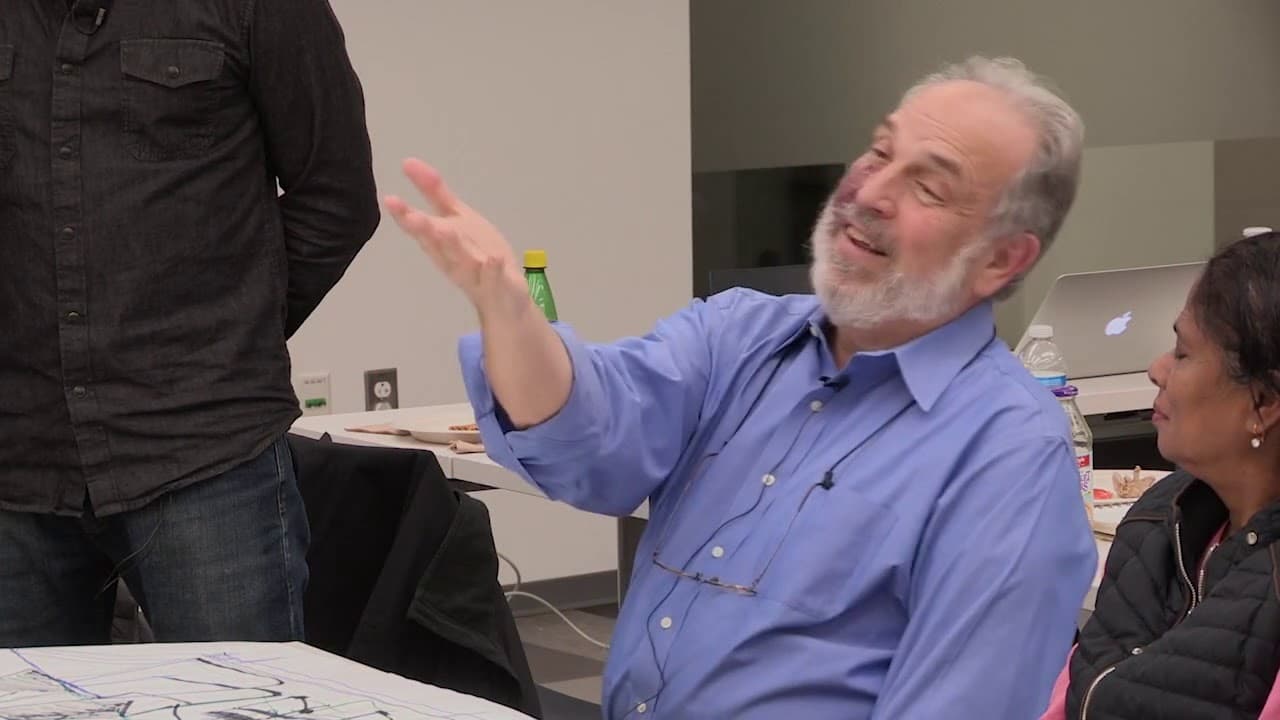
STEPHEN CARPENTER: We think about conventional activities to expand thematic and conceptual exploration. So the traditional ways or maybe more conventional ways you might think about art education or learning studio practices-- sculpture, working with clay, working with wood, working with paint, or drawing practices-- those are fine if we want to d... Read More
Key Insights
- 🥰 Traditional art education should go beyond developing technical skills and also focus on exploring conceptual ideas and themes.
- 🏃 Collaborative drawing exercises offer valuable opportunities for learning from others and expanding one's perspective.
- 😷 Drawing can be used as a tool for asking questions and gaining a deeper understanding of the subject.
- 💋 The process of mark-making is more important than the visual representation in these exercises.
Install to Summarize YouTube Videos and Get Transcripts
Explore YouTube Video Summarizer or Get YouTube Transcript Extractor
Questions & Answers
Q: What is the purpose of the collaborative drawing exercise described in the video?
The purpose of the exercise is to encourage participants to explore concepts and themes through drawing, rather than solely focusing on the visual representation. It also encourages learning from others' drawings and experimentation with different approaches to mark-making.
Q: How does Stephen Carpenter's attitude towards the drawing task change as he moves around the circle?
Carpenter initially tries to complete others' representations but realizes that people are adding things that aren't present in the still life. His attitude shifts to focusing on adding solid surfaces and observing how the assignment changes as others contribute. Eventually, he no longer recognizes his own drawing due to the layers of changes imposed by others.
Q: How does Carpenter suggest expanding the drawing exercise to explore other subjects?
Carpenter suggests replacing the still life with a person and using questions as a form of mark-making. By engaging in conversation and asking questions, participants can gain a deeper understanding of the person they are drawing and explore concepts related to themes like responsibility, influence, cooperation, and liberation.
Q: What is the significance of participants becoming the drawing implement in the second task?
In the second task, participants become an extension of the drawing implement, such as holding their partner's hand or shoulder, as their partner draws the chairs. This task explores the concept of collaboration and cooperation, pushing participants to work together in a unique way to create the drawing.
Summary & Key Takeaways
-
Stephen Carpenter discusses the importance of exploring concepts and themes in art education, rather than solely focusing on developing technical skills.
-
Participants engage in a collaborative drawing exercise where they draw a still life and then continue drawing on another person's work.
-
The exercise prompts participants to reflect on their own approach to drawing and learn from others' drawings.
-
Carpenter introduces another drawing task, where participants become the drawing implement and their partner uses them to draw the still life.
Read in Other Languages (beta)
Share This Summary 📚
Summarize YouTube Videos and Get Video Transcripts with 1-Click
Try YouTube Summary with ChatGPT & Claude or YouTube Transcript Generator
Explore More Summaries from MIT OpenCourseWare 📚


Summarize YouTube Videos and Get Video Transcripts with 1-Click
Try YouTube Summary with ChatGPT & Claude or YouTube Transcript Generator