What Happened in the Kolkata Doctor Case and Its Impact?
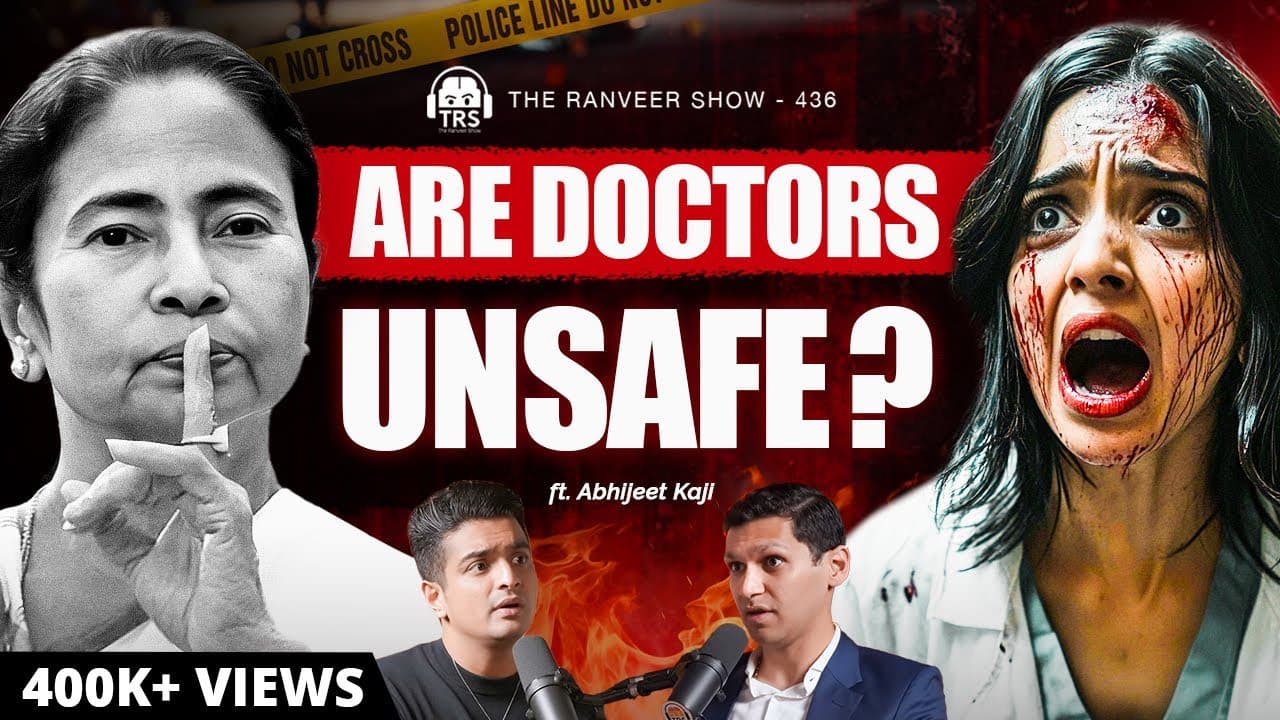
TL;DR
The Kolkata doctor case highlights a disturbing trend where 75% of medical professionals in India face violence during their careers. Immediate reforms, including the Central Protection Act, are essential to protect healthcare workers and improve their safety. A cultural shift in how society views and interacts with medical professionals is also crucial to prevent such incidents in the future.
Transcript
we have roughly a crow medical professionals in this country 75% of these individuals get attacked at least once in their professional life what strikes out about the Kolkata case is lack of safety for medical professionals as well as lack of safety for women in our country 85% of nurses are females because if they start feeling insecure or not saf... Read More
Key Insights
- 😷 75% of medical professionals in India face violence at least once in their careers, significantly affecting morale.
- 🥺 A combination of societal pressure, emotional turbulence in hospitals, and poor infrastructure leads to increased violence and hostility towards doctors.
- 🤨 The Kolkata case exemplifies urgent safety concerns and raises questions about inadequate security measures within government medical facilities.
- 🥺 There is a societal tendency to perceive doctors as infallible, which leads to misplaced blame when outcomes are not favorable for patients.
- 😷 Most medical interns and residents face financial strains due to delays in stipend payments, impacting job satisfaction and commitment to the field.
- 👨⚕️ Enhanced regulations are required around working hours for doctors to ensure better mental health and patient care.
- 😷 The Central Protection Act is crucial for providing legal security to medical professionals when facing violence, as current laws are not adequately enforced.
Install to Summarize YouTube Videos and Get Transcripts
Explore YouTube Video Summarizer or Get YouTube Transcript Extractor
Questions & Answers
Q: What are the key concerns raised about the safety of medical professionals in India?
The podcast reveals that approximately 75% of medical professionals in India experience some form of violence during their careers. This alarming statistic highlights significant safety concerns, particularly for females, who comprise a majority in the workforce. The discussion pinpoints systemic issues and a lack of legal protection for medical staff, necessitating urgent reforms.
Q: How has the Kolkata rape and murder case impacted perceptions of hospital security?
The Kolkata case serves as a wake-up call, exposing severe flaws in hospital security protocols. The podcast indicates that incidents like these highlight a broader issue of vulnerability faced by medical professionals. The call for reforms and stricter enforcement of laws like the Central Protection Act is underscored as a necessary response to ensure safety and accountability.
Q: What psychological impacts does violence have on doctors within this environment?
The podcast discusses the stress and fear among doctors when confronted with violence, impacting their ability to provide care effectively. High levels of anxiety stemming from possible aggressive encounters hinder their work performance and amplify the emotional strain on personnel responsible for patient outcomes. This creates an unhealthy work environment detrimental to both professionals and patients.
Q: Why do many medical professionals hesitate to recommend their profession to aspiring doctors?
Medical professionals often discourage their children from pursuing medicine due to prevailing violence and a lack of protection in hospitals. The podcast reveals that many doctors face a combination of intense workloads, emotional stress, and public hostility, contributing to a sentiment that diminishes the allure of the profession, despite its rewarding aspects.
Q: What reforms are being suggested to protect medical professionals better?
The podcast stresses the need for comprehensive reforms, including the implementation of the Central Protection Act, improved hospital security protocols, and better living conditions for medical staff. There's a push for standardized laws that ensure medical professionals have reasonable working hours and are compensated fairly, ultimately aimed at enhancing the profession's respect and sustainability.
Q: What role does media play in shaping the public perception of doctors?
Media narratives often focus on negative instances involving doctors, which may contribute to a culture of disrespect towards medical professionals. The podcast argues that there's a need for positive stories to be highlighted, similar to how the achievements of athletes are celebrated. Creating a more balanced representation can help restore honor and respect for the medical profession in society.
Summary & Key Takeaways
-
The podcast addresses the severe safety issues faced by medical professionals in India, emphasizing that 75% have experienced attacks during their careers. The recent Kolkata case underscores the urgency of reform.
-
It highlights the lack of adequate laws and enforcement to protect doctors and nurses from violence, including references to the Central Protection Act, which aims to address these concerns.
-
The discussion also reflects on the cultural and systemic issues leading to violence against doctors, emphasizing the need for a societal shift in attitudes toward medical professionals.
Read in Other Languages (beta)
Share This Summary 📚
Summarize YouTube Videos and Get Video Transcripts with 1-Click
Try YouTube Summary with ChatGPT & Claude or YouTube Transcript Generator
Explore More Summaries from The Ranveer Show - All Episodes 📚

Summarize YouTube Videos and Get Video Transcripts with 1-Click
Try YouTube Summary with ChatGPT & Claude or YouTube Transcript Generator