How loneliness is killing us, according to a Harvard professor | Robert Waldinger
TL;DR
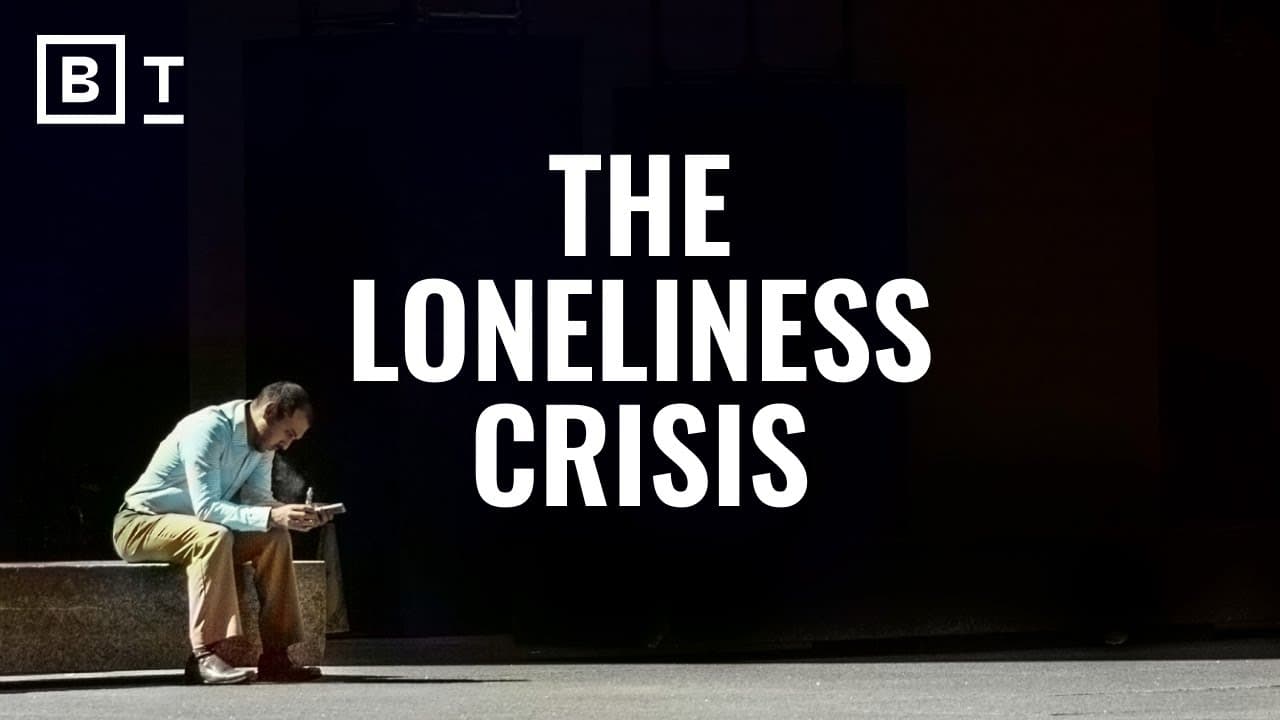
Loneliness is a growing epidemic affecting all age groups, linked to social disconnection and impacting health.
Transcript
- Loneliness is absolutely an epidemic in our society, but it's been growing for decades. Loneliness is the sense that "I am less connected to other people than I want to be." It's a very subjective experience, and that makes it different too from isolation. So I can deliberately isolate myself and feel great about that, but only you can tell if yo... Read More
Key Insights
- ❓ Loneliness is a subjective feeling of social disconnection, not just physical isolation.
- 🧑🏭 Factors like societal mobility and digital technology contribute to the increasing loneliness epidemic.
- 🧠 Loneliness poses significant health risks, comparable to smoking and accelerating brain decline.
- 🔬 Investing in relationships and social connections is essential for maintaining well-being.
- 😨 Lonely individuals may inadvertently push others away due to fear and may benefit from learning social skills through therapy.
- ❓ Overcoming loneliness requires seeking out comfortable social settings and activities to foster connections.
- 🧓 Loneliness affects all age groups and demographics, with young adults and older individuals particularly at risk.
Install to Summarize YouTube Videos and Get Transcripts
Explore YouTube Video Summarizer or Get YouTube Transcript Extractor
Questions & Answers
Q: What defines loneliness, and how is it different from isolation?
Loneliness is subjective, based on the feeling of being less connected than desired, contrasting isolation where one can be content alone. Loneliness can exist in various settings, not just when alone.
Q: How does societal mobility contribute to the loneliness epidemic?
Mobility disrupts social networks as people move for opportunities, increasing isolation and disconnection from established communities, leading to rising levels of loneliness.
Q: What are the health implications of loneliness?
Loneliness is as harmful as smoking half a pack of cigarettes daily, leading to increased stress, physical health breakdowns, and accelerated brain decline, emphasizing the importance of social connections.
Q: How can lonely individuals overcome their fear of connecting with others?
Cognitive behavior therapy can help lonely individuals learn social skills, revise assumptions, and communicate their desire for connection, encouraging them to seek out comfortable social settings.
Summary & Key Takeaways
-
Loneliness has been on the rise since the 1950s, with up to 60% of people feeling lonely.
-
Factors contributing to loneliness include societal mobility and digital technology.
-
Loneliness poses serious health risks, with impacts comparable to smoking and brain decline.
Read in Other Languages (beta)
Share This Summary 📚
Summarize YouTube Videos and Get Video Transcripts with 1-Click
Try YouTube Summary with ChatGPT & Claude or YouTube Transcript Generator
Explore More Summaries from Big Think 📚




Summarize YouTube Videos and Get Video Transcripts with 1-Click
Try YouTube Summary with ChatGPT & Claude or YouTube Transcript Generator