Kendra McSweeney: Drugs, Destruction, and Deforestation | Nat Geo Live
TL;DR
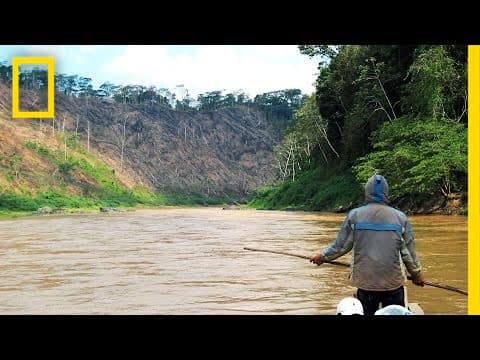
Cocaine consumption in Washington DC impacts Central American communities, leading to cultural and ecological devastation.
Transcript
( intro music ) ( applause ) So, a lot happens, a lot starts here in Washington DC. For me, it was my career, there's a lot else that's going on here too, which is that Washington has the distinction of being one of the great capitals of the world for cocaine consumption. There is greater per capita cocaine use here particularly among white collar ... Read More
Key Insights
- 🌐 Washington DC is a significant hub of cocaine consumption, impacting global drug trafficking networks.
- 🥺 Central America serves as a transit zone for cocaine, leading to environmental degradation and social disruptions.
- 😀 The Tawahka people in Eastern Honduras face challenges from drug traffickers, resulting in deforestation and cultural erosion.
- 😀 Indigenous communities like the Tawahka demonstrate resilience in the face of external threats, preserving their cultural heritage and environment.
- 🥺 Drug trafficking leads to land laundering through investments in cattle ranches and palm plantations.
- 😀 Government complicity and a lack of international intervention exacerbate the issues faced by communities affected by the drug trade.
- ❎ Collaborative efforts involving awareness campaigns, policy reforms, and sustainable practices are essential to address the negative impacts of drug trafficking on vulnerable communities.
Install to Summarize YouTube Videos and Get Transcripts
Explore YouTube Video Summarizer or Get YouTube Transcript Extractor
Questions & Answers
Q: How does cocaine consumption in Washington DC impact Central American communities?
Cocaine use in Washington DC fuels the drug trade that devastates indigenous communities in Central America, leading to deforestation and social disruptions.
Q: What are the consequences of drug trafficking on the Tawahka people?
Drug trafficking in Tawahka territories results in land grabbing, violence, and environmental degradation, jeopardizing the survival of the Tawahka culture and ecosystem.
Q: How have the Tawahka people shown resilience in the face of external threats?
The Tawahka people have rebounded from epidemics, natural disasters, and colonist incursions by preserving their cultural identity, organizing conservation efforts, and adapting sustainable agricultural practices.
Q: What actions can individuals take to address the impacts of cocaine consumption on Central American communities?
Individuals can raise awareness about the consequences of drug use, advocate for drug policy reforms, and support sustainable practices to mitigate the environmental damage caused by the drug trade.
Summary & Key Takeaways
-
Washington DC is a hub for cocaine consumption, with per capita use among white-collar workers.
-
Cocaine from Central America moves through trans-shipment zones, affecting communities like the Tawahka people in Eastern Honduras.
-
The drug trade leads to deforestation, land laundering, and social disruptions in indigenous territories.
Read in Other Languages (beta)
Share This Summary 📚
Summarize YouTube Videos and Get Video Transcripts with 1-Click
Try YouTube Summary with ChatGPT & Claude or YouTube Transcript Generator
Explore More Summaries from National Geographic 📚



Summarize YouTube Videos and Get Video Transcripts with 1-Click
Try YouTube Summary with ChatGPT & Claude or YouTube Transcript Generator