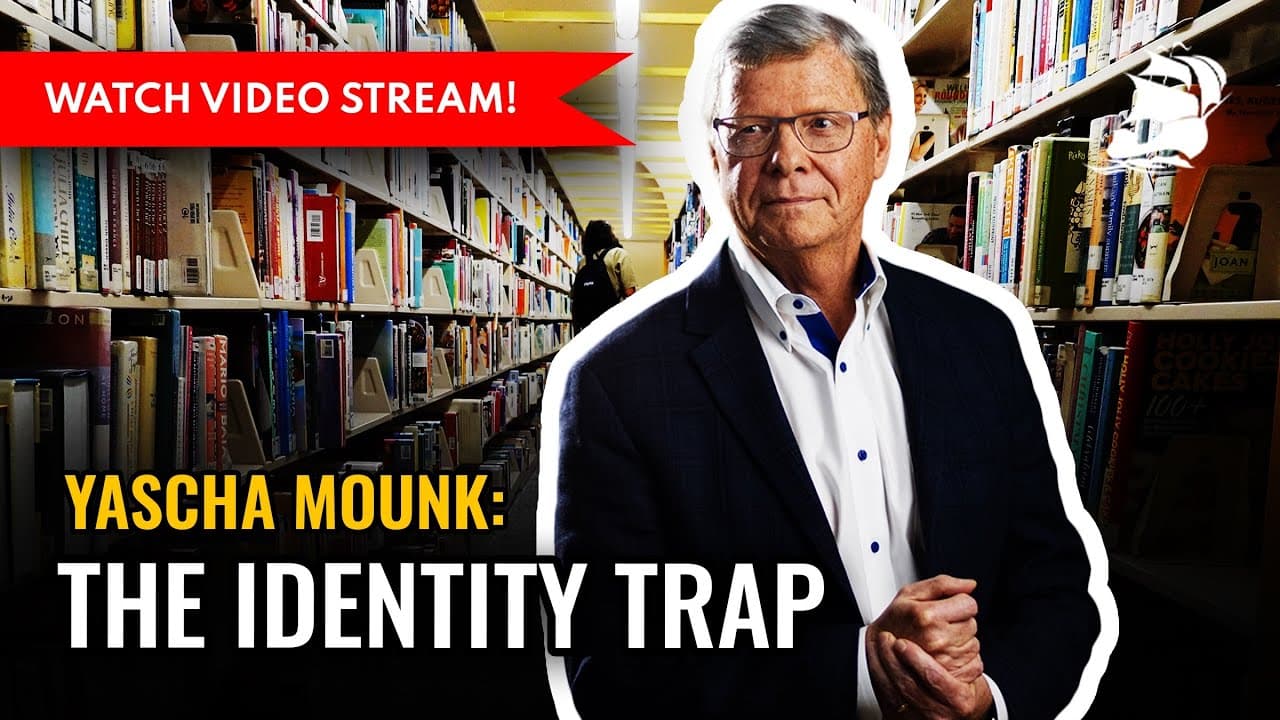
WATCH: The Identity Trap (with Yascha Mounk) | The Bulwark Podcast
TL;DR
Left-wing identity politics and wokism have infiltrated various aspects of society, leading to potential injustices and inefficiencies.
Transcript
what I focus on is the terrible things that happen when you don't have free speech the people who would decide what you can and can't say aren't going to be marginalized but not the weakest in society but actually the powerful look at what's happening in Florida what does it looks but look what descent is another Republican Governors are doing [App... Read More
Key Insights
- 😘 Left-wing identity politics and wokism have moved from the margins of society to the mainstream, influencing public policy and cultural practices.
- 😘 The ideologies behind left-wing identity politics prioritize certain identity categories, leading to segregation and unequal treatment.
- 🥶 These ideologies can result in real-world injustices and inefficiencies, as they undermine the principles of free speech and individual rights.
Install to Summarize YouTube Videos and Get Transcripts
Explore YouTube Video Summarizer or Get YouTube Transcript Extractor
Questions & Answers
Q: Why did Yasha Mounk decide to write about left-wing identity politics when right-wing authoritarianism is a more pressing concern?
Mounk believes that addressing the threats posed by right-wing populist movements requires building enduring majorities against them, which can be hindered by the influence of bad ideas within left-wing circles. He argues that understanding and opposing left-wing identity politics is essential for safeguarding democratic institutions.
Q: What is the main concept explored in Mounk's book, "The Identity Trap"?
Mounk coins the term "identity synthesis" to describe the ideology of left-wing identity politics and wokism. He emphasizes that it goes beyond recognizing the importance of diverse origins and interest group politics, instead advocating for placing one's intersectional identities at the forefront of political and cultural life.
Q: How does Mounk challenge the concept of cultural appropriation?
Mounk argues that the concept of cultural appropriation, while stemming from genuine instances of injustice, leads to an excessive level of suspicion regarding mutual cultural influence. He believes that mutual cultural influence and exchange are vital for the progression of society and should not be hindered by overly restrictive measures.
Q: Why does Mounk advocate for a culture of free speech?
Mounk highlights the dangers of giving up a culture of free speech, as those who determine the limits of speech are often the powerful and privileged. He argues that free speech protects the voices of the marginalized and allows for the preservation of truth. Additionally, a culture of free speech fosters trust in institutions by demonstrating transparency and authenticity.
Summary & Key Takeaways
-
Yasha Mounk, a political scientist, discusses the rise of left-wing identity politics and wokism, which he believes originate from the margins of society but have now permeated mainstream culture.
-
Mounk argues that these ideologies advocate focusing on intersectional identities, leading to practices like segregating children based on race in schools and prioritizing certain racial or ethnic groups in public policy.
-
He warns that these ideologies can lead to real injustices and inefficiencies, as they undermine the principles of free speech and individual rights.
Read in Other Languages (beta)
Share This Summary 📚
Summarize YouTube Videos and Get Video Transcripts with 1-Click
Try YouTube Summary with ChatGPT & Claude or YouTube Transcript Generator
Explore More Summaries from The Bulwark 📚
Summarize YouTube Videos and Get Video Transcripts with 1-Click
Try YouTube Summary with ChatGPT & Claude or YouTube Transcript Generator