What Causes Problems with PC Game Ports Today?
TL;DR
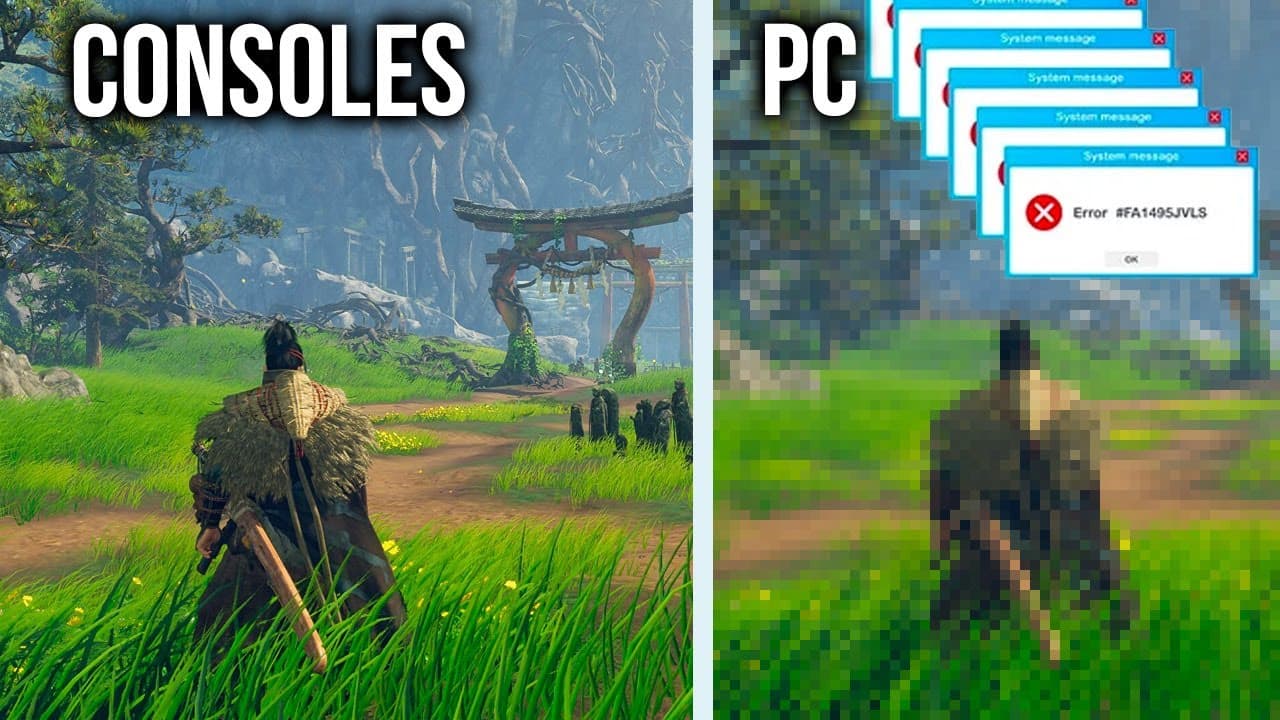
Subpar PC game ports are largely due to developers prioritizing console versions over PC adaptations. Although PC and console architectures have become similar, the vast number of PC configurations and business decisions favoring consoles often result in incomplete or poorly optimized releases for PC gamers.
Transcript
(upbeat music) - [Falcon] Back in 2015, Warner Brothers released "Batman: Arkham Knight" on PS4, Xbox One, and PC. The PC version was unique at the time in that it was an absolute train wreck at a time when the PC version of a game was always considered to be the best version. That is not how things are anymore. In the seven years that have passed ... Read More
Key Insights
- 🎮 The transition from console-exclusive architectures to x86 marks a significant turning point in game development strategies.
- 👨💼 Business decisions often prioritize console developments due to limited configurations and guaranteed sales, sidelining PC adaptation.
- 🥺 The complexity of PC configurations for GPUs leads to varied gaming experiences, affecting performance consistency.
- 👾 Modern games frequently launch incomplete due to immense pressures on developers coupled with expansive game budgets.
- 🎮 Shaders need constant adaptation in PC games, resulting in performance issues that console versions typically do not suffer from.
- 🍿 Historical patterns of development show a recurring focus on consoles over PCs that reinforces current industry practices.
- ❓ Player dissatisfaction often stems from unmet expectations regarding quality assurance on both platforms.
Install to Summarize YouTube Videos and Get Transcripts
Explore YouTube Video Summarizer or Get YouTube Transcript Extractor
Questions & Answers
Q: What caused the shift in focus from PC gaming to console gaming in recent years?
The emergence of x86 architecture in consoles made them more similar to PCs, yet developers began prioritizing console versions because of simpler hardware configurations, allowing them to sell more copies. The practical advantage of designs tailored for a unified console architecture contributed to this shift.
Q: How do memory and hardware differences affect game development on PC versus consoles?
PCs utilize both dedicated system memory and VRAM, requiring additional work during development to allocate resources properly. Consoles, however, have a single memory structure, making it easier to optimize firmware and drive performance gains without the need for constant adaptation.
Q: Why are incomplete games becoming more common at launch?
The gaming industry's increasing budgets and expandable scopes lead to developers facing pressure to meet deadlines. This results in rushed releases, often causing titles to launch in incomplete states across platforms, leaving players dissatisfied, especially with PC ports being particularly prone to issues.
Q: What are the implications of having diverse PC configurations for game performance?
The vast number of different hardware configurations in PCs leads to greater variability in game performance. Developers must continuously adapt games for different GPUs and systems, contrasting with consoles, where standardized hardware allows a single optimized version for every user.
Q: What are the historical implications of the gaming console architecture changes?
In previous console generations, the architecture was vastly different from PCs, making it challenging to develop successful PC ports. However, with newer generations adopting more compatible architectures, the expectations for simultaneous quality on both platforms have increased, revealing a further divide in development focus.
Q: Why might gamers feel frustrated with modern PC game releases?
Gamers are increasingly frustrated with the prevalence of unfinished games and poor PC ports. As expectations rise for quality and performance across platforms, the continuing trend of prioritizing console versions leaves PC gamers feeling neglected and unhappy with their gaming experience.
Q: How does the issue of shader compilation impact PC gaming?
PC games need to compile shaders for various GPUs, leading to additional resource demands during gameplay. Each time players transition to new areas, shaders must be recompiled based on hardware differences, resulting in performance hiccups and stutter that are less prevalent in console gaming.
Q: What can game developers do to improve the quality of PC ports?
Developers should allocate more time in their development schedules specifically for optimizing PC ports, rather than treating them as an afterthought. This means ensuring that resources are available to address both the technical requirements and performance nuances unique to the PC gaming landscape to meet player expectations.
Summary & Key Takeaways
-
The landscape of PC gaming has shifted significantly since 2015, with games often being released with various issues, especially on PC ports.
-
Historically, PC games were released after console versions due to differing architectures, but recent trends show a return to prioritizing console versions, neglecting PC adaptations.
-
The complexities of PC hardware configurations, alongside business decisions to focus on consoles, lead to inadequate attention paid to polishing PC game releases.
Read in Other Languages (beta)
Share This Summary 📚
Summarize YouTube Videos and Get Video Transcripts with 1-Click
Try YouTube Summary with ChatGPT & Claude or YouTube Transcript Generator
Explore More Summaries from gameranx 📚






Summarize YouTube Videos and Get Video Transcripts with 1-Click
Try YouTube Summary with ChatGPT & Claude or YouTube Transcript Generator