Tantra In Hinduism - Symbols, Practices, Tantric Sex, Deities & More (Tantric Explains)
TL;DR
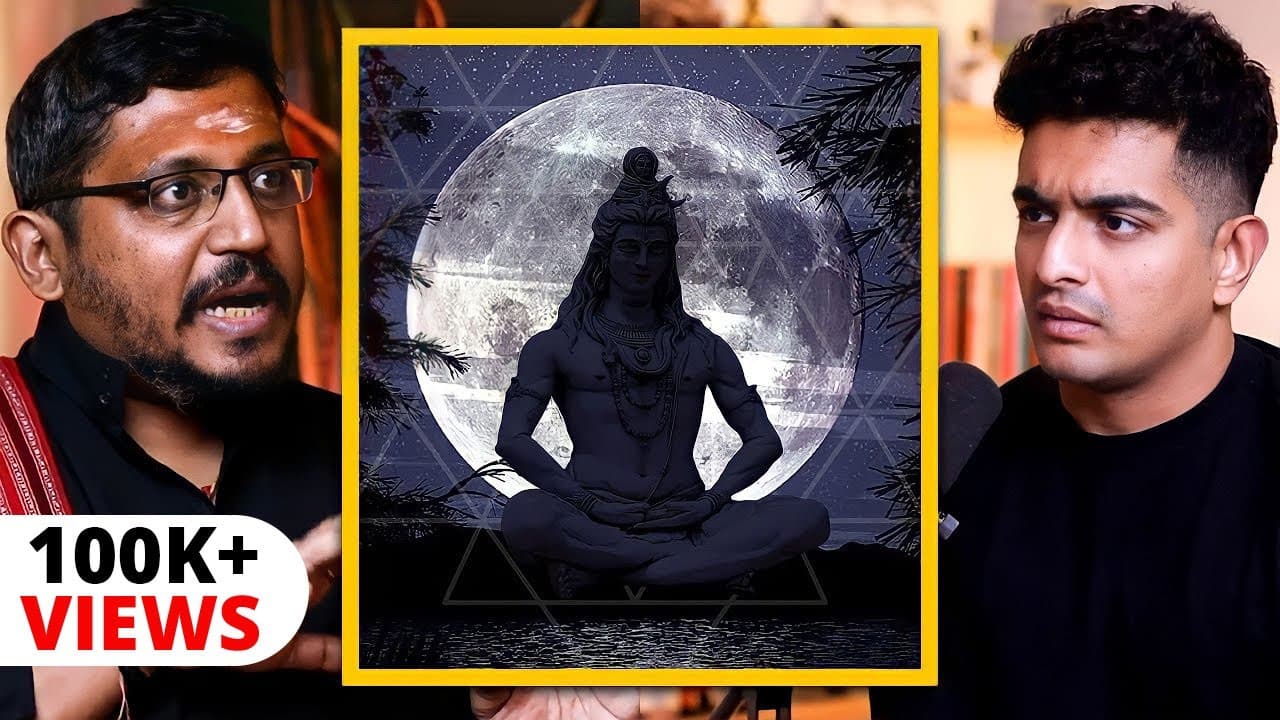
Discusses the origins and practices of Tantra as a methodology of worship, and its connection to black magic.
Transcript
welcome to TRS Clips it's for all you guys whose attention spans are reduced because of short form content this is the highlights Channel enjoy the video and make sure you consume a bunch of highlights binge watch TRS Clips simple question again yes where does black magic come in all of this is Tantra a dark force what is a dark force what is Darkn... Read More
Key Insights
- 🖤 Black magic is initiated by negative thoughts and intentions, showing the profound link between mindset and outcomes.
- 🛟 Tantra serves as a flexible methodology of worship, tailored for the chaotic nature of the Kali Yuga.
- ❓ Distinguishing between harmful practices and legitimate spiritual methods is crucial to understanding Tantra.
- 🍻 Lord Shiva is credited with imparting the Tantric teachings, fostering a direct link between the divine and practitioners.
- 🪡 The need for initiation (deeksha) in Tantric practices emphasizes the importance of guidance from an experienced guru.
- 💍 Tantric practices are deeply ritualistic and require proper purification and preparation before engaging in worship.
- 🙂 Acknowledging the duality of light and darkness emphasizes a balanced perspective on spirituality and morality.
Install to Summarize YouTube Videos and Get Transcripts
Explore YouTube Video Summarizer or Get YouTube Transcript Extractor
Questions & Answers
Q: What defines the concept of black magic according to the video?
Black magic, or avichara, is described as any intention that produces negative results. The speaker emphasizes that even a simple negative thought, like wishing someone away, can initiate this harmful practice. It highlights the dual nature of intentions in spirituality, where both positive and negative thoughts manifest outcomes.
Q: How does Tantra differ from the Vedic approach to worship?
Tantra is introduced as a methodology of worship specifically suited for the current age, Kali Yuga, where traditional Vedic practices may not be as effective. While the Vedic system follows ancient texts and rituals designed for a purer time, Tantra recognizes the necessity of intention in manifesting results, offering a more flexible and impactful spiritual framework.
Q: Why is the association of Tantra with sexual practices misleading?
The video clarifies that while Western interpretations often reduce Tantra to sexual practices, it fundamentally encompasses a broader methodology of worship given by Lord Shiva. This narrow view overlooks the rich variety of spiritual practices included in Tantra, which focuses on devotion and the relationship between the practitioner and the divine.
Q: What are the seven modes of behavior (acharams) in Tantra?
The seven acharams represent different methods or modes of worship that practitioners can follow to deepen their spiritual practice. They begin with vedachara, the average way of worship, but do not require achieving all in one lifetime, suggesting a progressive journey in spiritual development.
Q: How does past life influence spiritual learning in the current lifetime?
The speaker suggests that individuals can carry spiritual knowledge or tendencies from previous lives, which may manifest early in life. However, there’s a veil called Maya that obscures prior memories. It indicates that while past actions can guide current spiritual tendencies, genuine progress requires active practice and learning in this lifetime.
Q: What role does intention play in Tantra?
In Tantra, intention is highlighted as crucial; a practitioner's mindset determines the outcome of their worship. Tantra itself facilitates the method but does not dictate good or bad intentions, leaving the responsibility of those intentions solely to the practitioner. A positive intention is more likely to yield beneficial results, underscoring personal accountability.
Summary & Key Takeaways
-
The video explores the concept of black magic, known as avichara in Sanskrit, highlighting that negative intentions can lead to harmful outcomes.
-
Tantra, presented as a method of worship, is described as suitable for the current age (Kali Yuga) and emphasizes the importance of one's intentions in worship practices.
-
The discussion clarifies misconceptions about Tantra’s association with sex, explaining that it is fundamentally a structured approach to worship deriving from Lord Shiva, distinct from the Vedic system.
Read in Other Languages (beta)
Share This Summary 📚
Summarize YouTube Videos and Get Video Transcripts with 1-Click
Try YouTube Summary with ChatGPT & Claude or YouTube Transcript Generator
Explore More Summaries from TRS Clips 📚


Summarize YouTube Videos and Get Video Transcripts with 1-Click
Try YouTube Summary with ChatGPT & Claude or YouTube Transcript Generator