US Anti-Drug Laws Aren't Scientific — They're Colonialist and Racist | Big Think
TL;DR
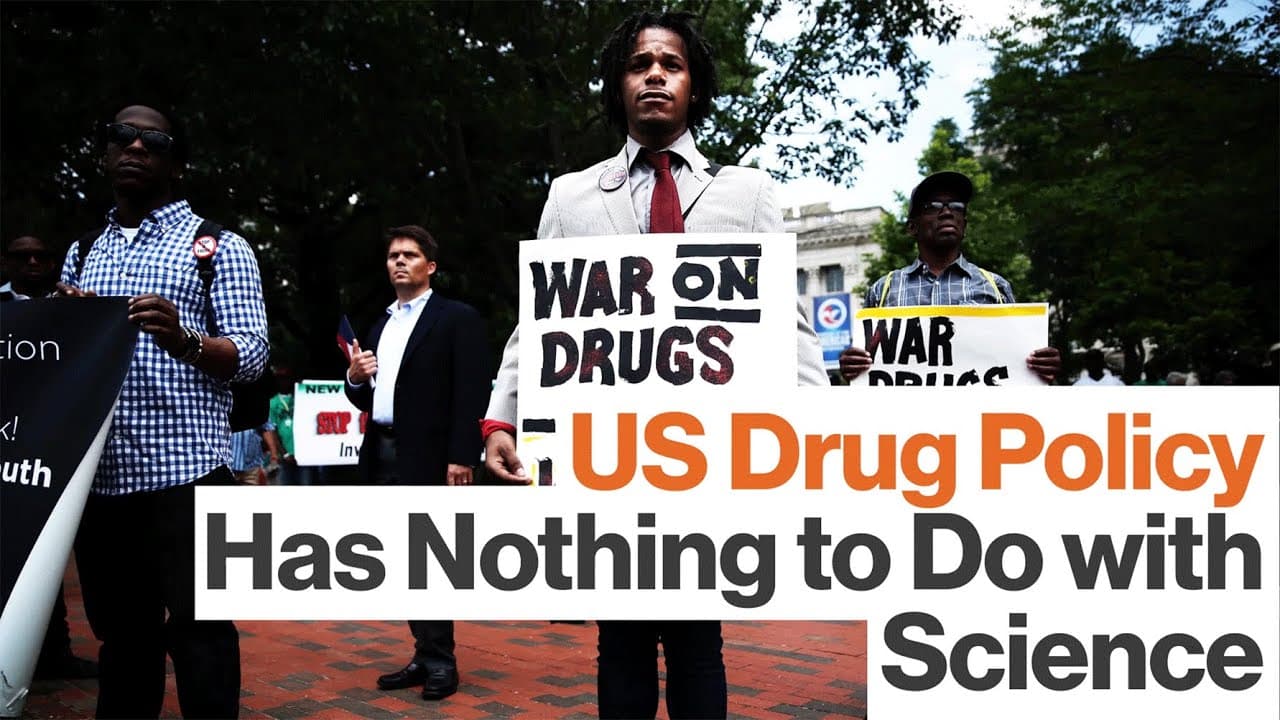
Current drug laws are rooted in racism; harm reduction is more effective than punishment.
Transcript
Our drug policy has really been traditionally based on racism and moralizing. The reason that the currently illegal drugs are illegal has nothing to do with a scientific evaluation of the relative risks and benefits, otherwise you could never come up with a situation where marijuana is illegal and tobacco is legal. We cannot make a rational argumen... Read More
Key Insights
- 🫚 Drug policy has historical roots in racism and moralizing rather than scientific evaluation of risks.
- ☸️ Harm reduction approaches, focusing on overall harm reduction, are more effective than punitive measures.
- 👤 Stigmatizing drug users perpetuates harmful stereotypes and hinders effective addiction solutions.
- 🖐️ Socioeconomic factors play a significant role in the opioid epidemic.
- ❓ Punitive measures and supply-side crackdowns are ineffective in addressing addiction and drug-related issues.
- 🖤 Drug dealing is often a result of economic desperation and lack of opportunities.
- 🥺 Understanding the underlying issues leading to addiction is crucial for effective solutions.
Install to Summarize YouTube Videos and Get Transcripts
Explore YouTube Video Summarizer or Get YouTube Transcript Extractor
Questions & Answers
Q: What is the historical basis for current drug laws?
Current drug laws originated from racist beliefs and moral judgments, rather than scientific evaluations of risks and benefits, as seen with the illegal status of marijuana compared to legal substances like tobacco.
Q: Why is harm reduction considered a more effective approach than punishment in drug policy?
Harm reduction focuses on minimizing overall harm from drugs and policies, addressing both the harms associated with drug use and the negative impacts of punitive measures, which have proven ineffective in preventing addiction and drug-related issues.
Q: How does stigma play a role in drug policy and addiction?
Stigmatizing drug users perpetuates harmful stereotypes and hinders effective solutions to addiction, as individuals with addiction issues are often portrayed negatively and unfairly, leading to ineffective policies and insufficient support systems.
Q: How does socioeconomic factors contribute to the opioid epidemic?
The opioid epidemic is closely linked to socioeconomic disparities, as individuals facing despair and hopelessness due to economic challenges are more vulnerable to addiction, highlighting the need for comprehensive solutions addressing underlying issues.
Summary & Key Takeaways
-
Drug policy has historical roots in racism and moralizing, rather than a scientific evaluation of risks and benefits.
-
Harm reduction, focusing on reducing overall harm from drugs and policies, is a more effective approach than punishment.
-
Stigmatizing drug users and punitive measures do not solve addiction issues, requiring a shift towards understanding and addressing underlying problems.
Read in Other Languages (beta)
Share This Summary 📚
Summarize YouTube Videos and Get Video Transcripts with 1-Click
Try YouTube Summary with ChatGPT & Claude or YouTube Transcript Generator
Explore More Summaries from Big Think 📚




Summarize YouTube Videos and Get Video Transcripts with 1-Click
Try YouTube Summary with ChatGPT & Claude or YouTube Transcript Generator