How to Survive a Massacre in Europe’s Wars of Religion
TL;DR
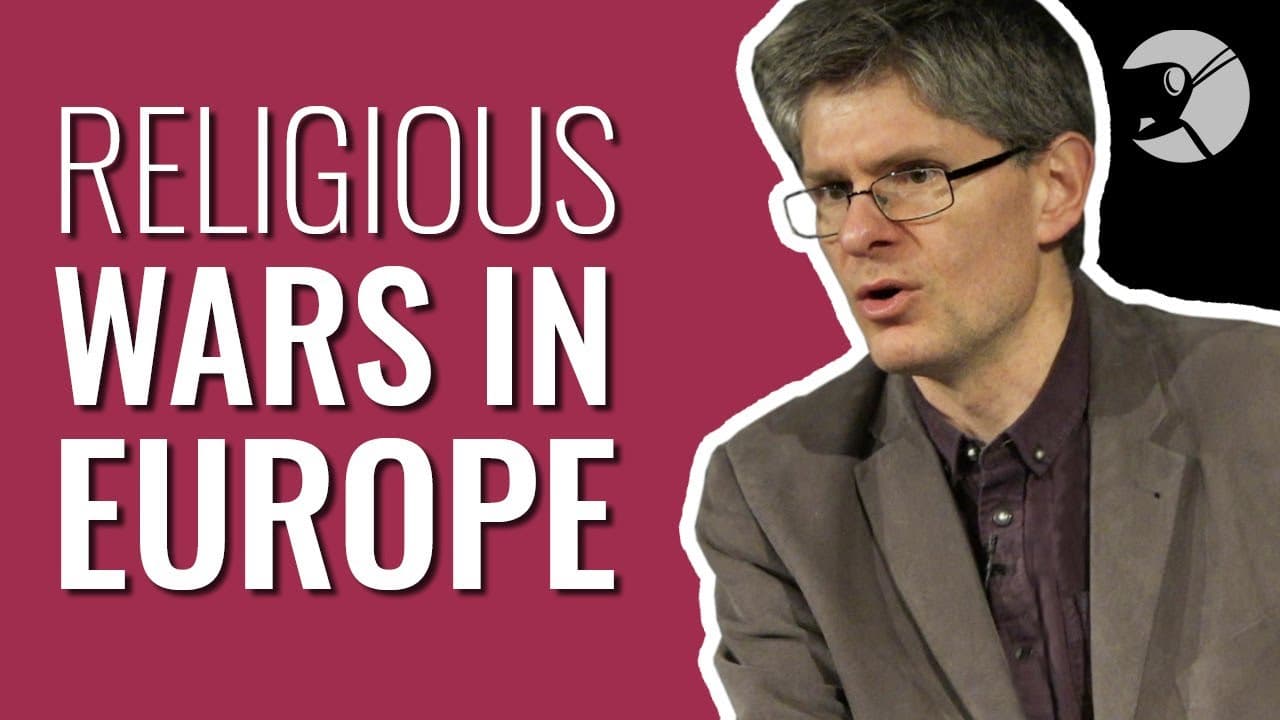
The content explores two specific atrocities in Europe's religious wars - the Dutch Revolt and the St. Bartholomew's Day Massacre in France - and analyzes their causes, effects, and the way they are remembered.
Transcript
so welcome to the the third of this series on atrocity and religion in European memory wars always inevitably produce atrocities but not all of them to the same extent civil wars when your enemy are rebels or criminals or tyrants rather than simply foreign powers are particularly liable to produce atrocities and doubly so religious civil wars in wh... Read More
Key Insights
- 💋 Religious civil wars in Europe during the 16th and 17th centuries were marked by atrocities, particularly during the Dutch Revolt and the St. Bartholomew's Day Massacre.
- 🧑🏭 These conflicts were not purely religious in nature but were influenced by political, economic, nationalistic, and cultural factors.
- 🇬🇫 The Dutch commemorated the atrocities by creating a unifying myth around Leiden's suffering, while the French suppressed the memory of the massacre.
- 🍟 The Dutch and French atrocities had long-lasting effects on the Protestant and Catholic communities, radicalizing some and shattering the martyr complex of others.
Install to Summarize YouTube Videos and Get Transcripts
Explore YouTube Video Summarizer or Get YouTube Transcript Extractor
Questions & Answers
Q: What factors contributed to the outbreak of full-scale religious wars in Europe during the 16th and 17th centuries?
The full-scale religious wars in Europe were a result of growing divisions between Catholics and Protestants following the Protestant Reformation. Their causes were complex, involving political, economic, nationalistic, and cultural factors.
Q: How did the Dutch Revolt and the St. Bartholomew's Day Massacre affect the religious landscape of the Netherlands and France, respectively?
The Dutch Revolt led to the split of the Netherlands into an independent Protestant North and a Spanish rule Catholic South. The St. Bartholomew's Day Massacre severely weakened the Protestant community in France and fueled further conflict between Protestants and Catholics.
Q: How did the Dutch and French societies remember and commemorate the atrocities?
The Dutch created a myth around the sufferings of Leiden during the Dutch Revolt, emphasizing communal suffering and painting foreigners as the common enemy. In contrast, the French largely suppressed the memory of the St. Bartholomew's Day Massacre, allowing bitterness to dissipate over time.
Q: How did the Dutch and French atrocities affect the Protestant and Catholic communities respectively?
The Dutch Revolt strengthened the resolve of Dutch Protestants and led to a radicalization of their cause. The St. Bartholomew's Day Massacre shattered the martyr complex among French Protestants and fueled a sense of outrage and defiance, eventually leading to further conflict.
Summary & Key Takeaways
-
The content discusses the period from the 1540s to the 1640s when religious wars between Catholics and Protestants erupted in Europe, leading to atrocities.
-
It focuses on two specific atrocities: the Dutch Revolt in the Netherlands and the St. Bartholomew's Day Massacre in France.
-
The Dutch Revolt was a nationalist and Protestant revolt against Spanish rule, while the St. Bartholomew's Day Massacre was a targeted strike against the Calvinist leadership in France.
Read in Other Languages (beta)
Share This Summary 📚
Summarize YouTube Videos and Get Video Transcripts with 1-Click
Try YouTube Summary with ChatGPT & Claude or YouTube Transcript Generator
Explore More Summaries from Gresham College 📚

Summarize YouTube Videos and Get Video Transcripts with 1-Click
Try YouTube Summary with ChatGPT & Claude or YouTube Transcript Generator