What Is the Best Protein Source for Health?
TL;DR
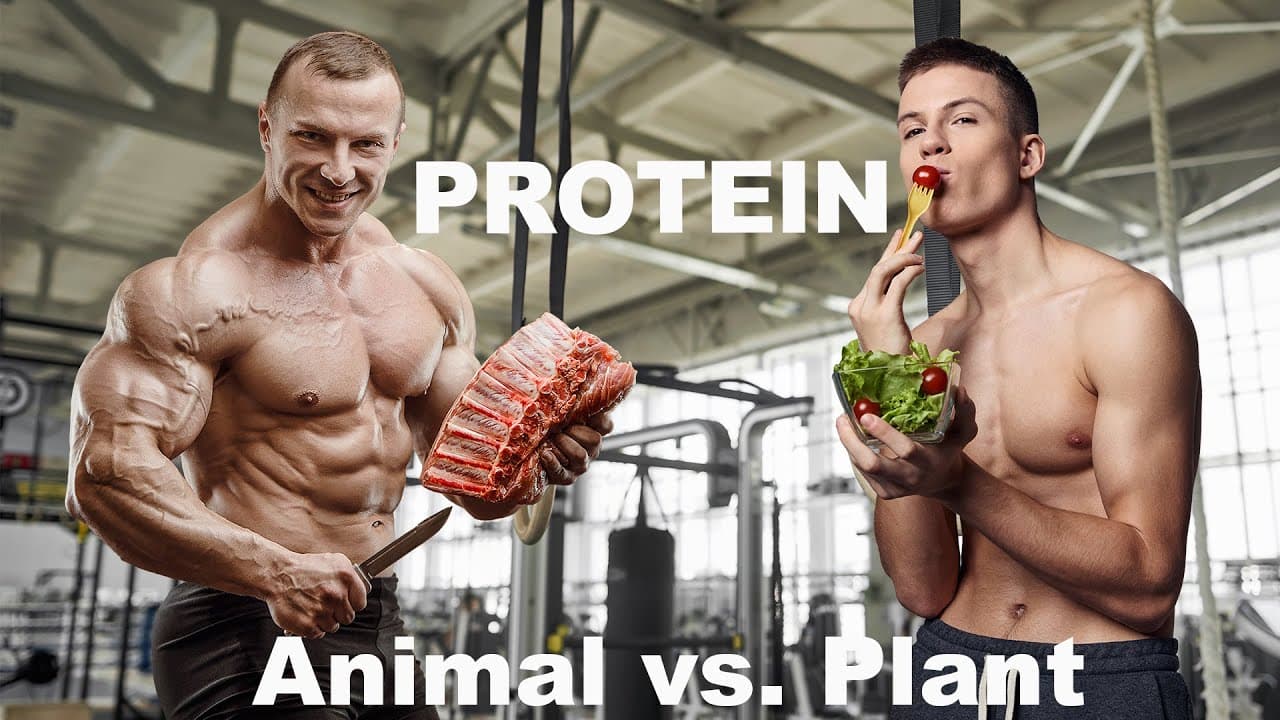
Plant and animal proteins have different impacts on health and muscle building. Studies show that with adequate protein intake, plant proteins can be as effective as animal proteins for muscle growth. Health impacts vary based on protein source, with plant-based diets potentially offering longevity benefits. Protein needs vary by age and activity level.
Transcript
- I have here a good paper from a study in Italy that shows that elderly people who ate more plant protein, died younger. What? I thought plant protein was supposed to extend your life. I have here a good paper showing that elderly people in Japan lived longer when they ate more plant protein. Oh, come on science, you're confusing us. Make up your ... Read More
Key Insights
- Elderly people in Italy consuming more plant protein had shorter lifespans, while those in Japan lived longer.
- Vegan men supplementing with soy protein built muscle at the same rate as omnivores using whey protein.
- The USDA report indicates protein deficiency is not common in the US, with adequate intake from various food groups.
- Processed meats are classified as carcinogenic by the WHO, while red meat is probably carcinogenic.
- Protein intake needs vary by individual, with higher needs for those engaging in resistance training.
- Studies suggest plant-based protein isolates can match the muscle-building effects of animal proteins.
- Muscle loss in aging is often due to periods of inactivity rather than gradual decline.
- Whole plant foods and legumes are recommended for health, with protein powders as a potential supplement for active individuals.
Install to Summarize YouTube Videos and Get Transcripts
Explore YouTube Video Summarizer or Get YouTube Transcript Extractor
Questions & Answers
Q: How do plant proteins compare to animal proteins for muscle growth?
Studies indicate that plant proteins, such as soy, can be as effective as animal proteins like whey for muscle growth when consumed in adequate amounts. Research involving vegan and omnivorous participants showed similar muscle gains when protein intake was matched. This suggests that the source of protein may not be as crucial as previously thought, provided the total intake is sufficient.
Q: What are the health implications of consuming processed and red meats?
Processed meats are classified as carcinogenic by the World Health Organization, meaning they have been shown to cause cancer. Red meats are considered probably carcinogenic, with evidence suggesting a link to increased cancer risk. The method of cooking, such as high-temperature grilling, can increase the formation of harmful chemicals in meats, further elevating health risks.
Q: Why is there confusion about the health benefits of plant versus animal proteins?
Conflicting studies and interpretations contribute to confusion about plant versus animal proteins. While some studies suggest plant proteins are healthier, others highlight potential deficiencies. Additionally, industry influences and misquotations in media can skew public perception. Overall, plant proteins offer longevity benefits, but individual needs and contexts vary.
Q: What role does fiber play in the health benefits of plant proteins?
Fiber, abundant in plant proteins, offers significant health benefits, including reduced risk of several cancers and chronic diseases. It aids digestion and can interfere with protein absorption, but overall contributes to a healthier diet. The average American diet is low in fiber, which is a risk factor for various health issues, highlighting the importance of plant-based foods.
Q: How does protein intake affect aging and muscle loss?
Protein intake is crucial for maintaining muscle mass, especially in aging populations. Muscle loss often occurs during periods of inactivity, such as bed rest, rather than gradually over time. Ensuring adequate protein intake and engaging in resistance exercise can help mitigate muscle loss and maintain strength in older adults.
Q: What is the recommended protein intake for optimal health?
Optimal protein intake varies based on factors like age, activity level, and health goals. For those engaging in resistance training, higher protein intake is beneficial, typically around 1.6 grams per kilogram of body weight. However, for sedentary individuals, the focus should be on balanced nutrition rather than excessive protein consumption.
Q: Are protein powders necessary for a healthy diet?
Protein powders are not necessary for everyone but can be beneficial for individuals with higher protein needs, such as athletes or those with limited dietary protein sources. They provide a convenient way to increase protein intake but should not replace whole foods, which offer additional nutrients and health benefits.
Q: How can individuals ensure they are consuming adequate protein?
To ensure adequate protein intake, individuals should focus on a balanced diet that includes a variety of protein sources, such as legumes, nuts, seeds, and lean meats. Monitoring portion sizes and considering protein needs based on activity level and health goals can help maintain optimal protein intake. Consulting with a nutritionist can provide personalized recommendations.
Summary & Key Takeaways
-
Plant and animal proteins have distinct health impacts. Studies show that plant proteins, when consumed in adequate amounts, can be as effective as animal proteins for muscle growth. The choice of protein source can influence longevity, with plant-based diets potentially offering benefits.
-
Protein needs vary based on individual factors such as age and activity level. While the USDA reports no widespread protein deficiency in the US, optimal intake may be higher for those engaging in resistance training. Plant-based protein isolates can effectively support muscle growth.
-
Processed meats are confirmed as carcinogenic by the WHO, while red meats are likely carcinogenic. Whole plant foods, especially legumes, are recommended for health benefits. Protein powders may be beneficial for active individuals but are not necessary for everyone.
Read in Other Languages (beta)
Share This Summary 📚
Summarize YouTube Videos and Get Video Transcripts with 1-Click
Try YouTube Summary with ChatGPT & Claude or YouTube Transcript Generator
Explore More Summaries from Viva Longevity! 📚

Summarize YouTube Videos and Get Video Transcripts with 1-Click
Try YouTube Summary with ChatGPT & Claude or YouTube Transcript Generator