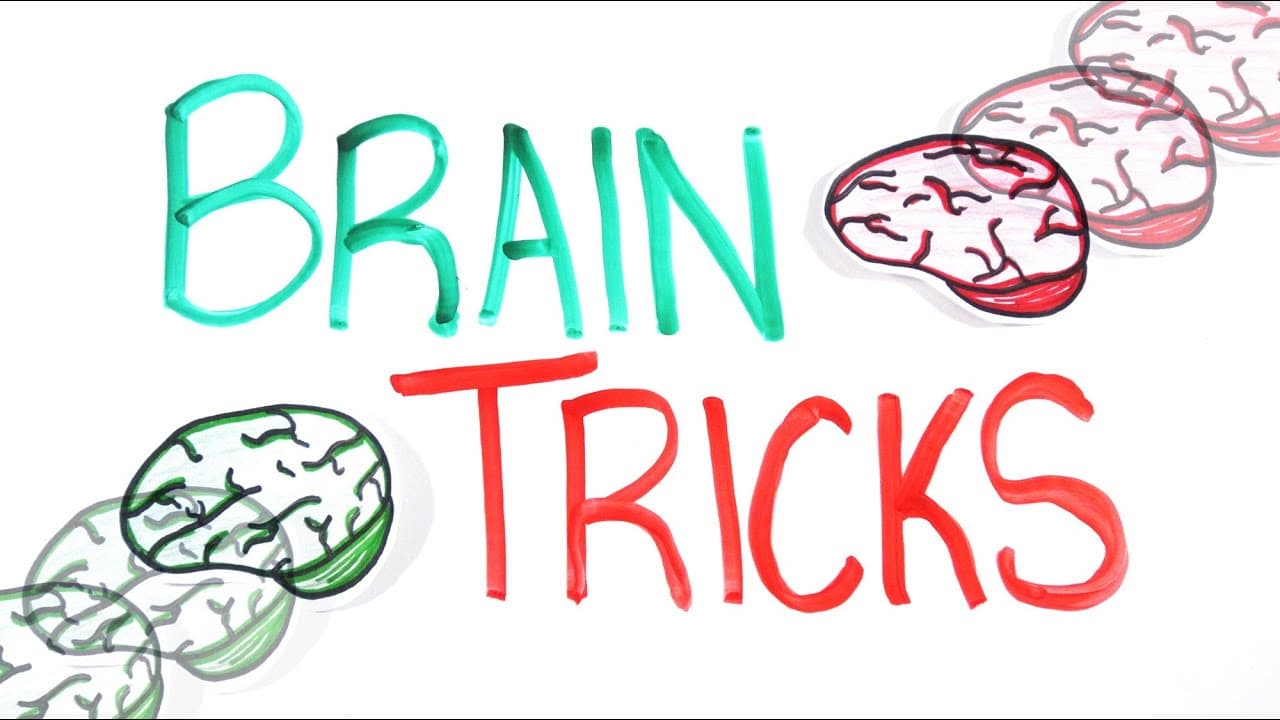
Brain Tricks - This Is How Your Brain Works
TL;DR
Your brain has two distinct thinking systems - fast and slow, which influence your perception, intuition, and decision-making.
Transcript
You may not realize it but your brain actually processes information in two very distinct ways. Like when you look at this photo you instantly know she has blonde hair, is visibly angry and likely has some choice words to yell. Without any effort you experienced fast thinking, But if you look at the following problem something different happens. ... Read More
Key Insights
- 🤔 The brain operates with two distinct thinking systems: fast and slow.
- 🤔 Fast thinking (system one) is intuitive, automatic, and efficient.
- 🤔 Slow thinking (system two) requires conscious effort, focusing on complex tasks and overriding fast thinking's initial interpretations.
- 🤔 Illusions and misleading perceptions are the result of the fast thinking system's automatic processing.
- 🧠 The brain generates context unconsciously based on previous experiences, resolving ambiguities and associations.
- 🥺 System one and system two interact and influence each other, leading to biases, misconceptions, and errors.
- 💭 Priming effects occur when previous stimuli influence subsequent thoughts and behavior.
Install to Summarize YouTube Videos and Get Transcripts
Explore YouTube Video Summarizer or Get YouTube Transcript Extractor
Questions & Answers
Q: How do the two thinking systems in the brain work?
The fast thinking system (system one) operates automatically and effortlessly, making quick decisions and interpretations. The slow thinking system (system two) requires conscious effort, focusing on analytical and complex tasks.
Q: How does the brain distinguish between illusions and reality?
Illusions occur because the fast thinking system (system one) interprets information automatically and unconsciously. System two, the slow thinking system, may later recognize the illusion but cannot override the initial interpretation.
Q: What is the role of context in perception?
The brain generates context unconsciously based on previous experiences. It helps in interpreting ambiguous statements, recognizing associations, and resolving potential confusions.
Q: How do priming effects influence behavior?
Priming refers to the influence of previous stimuli on subsequent thoughts and behavior. Even without conscious awareness, priming can modify behavior and impact decision-making.
Summary & Key Takeaways
-
The brain has two thinking systems - fast and slow - which operate automatically and consciously, respectively.
-
Fast thinking (system one) is intuitive and quick, while slow thinking (system two) requires conscious effort.
-
The brain can generate context unconsciously and is influenced by priming effects.
Read in Other Languages (beta)
Share This Summary 📚
Summarize YouTube Videos and Get Video Transcripts with 1-Click
Try YouTube Summary with ChatGPT & Claude or YouTube Transcript Generator
Explore More Summaries from AsapSCIENCE 📚




Summarize YouTube Videos and Get Video Transcripts with 1-Click
Try YouTube Summary with ChatGPT & Claude or YouTube Transcript Generator