How Dung Beetles Clean Up Our Messes
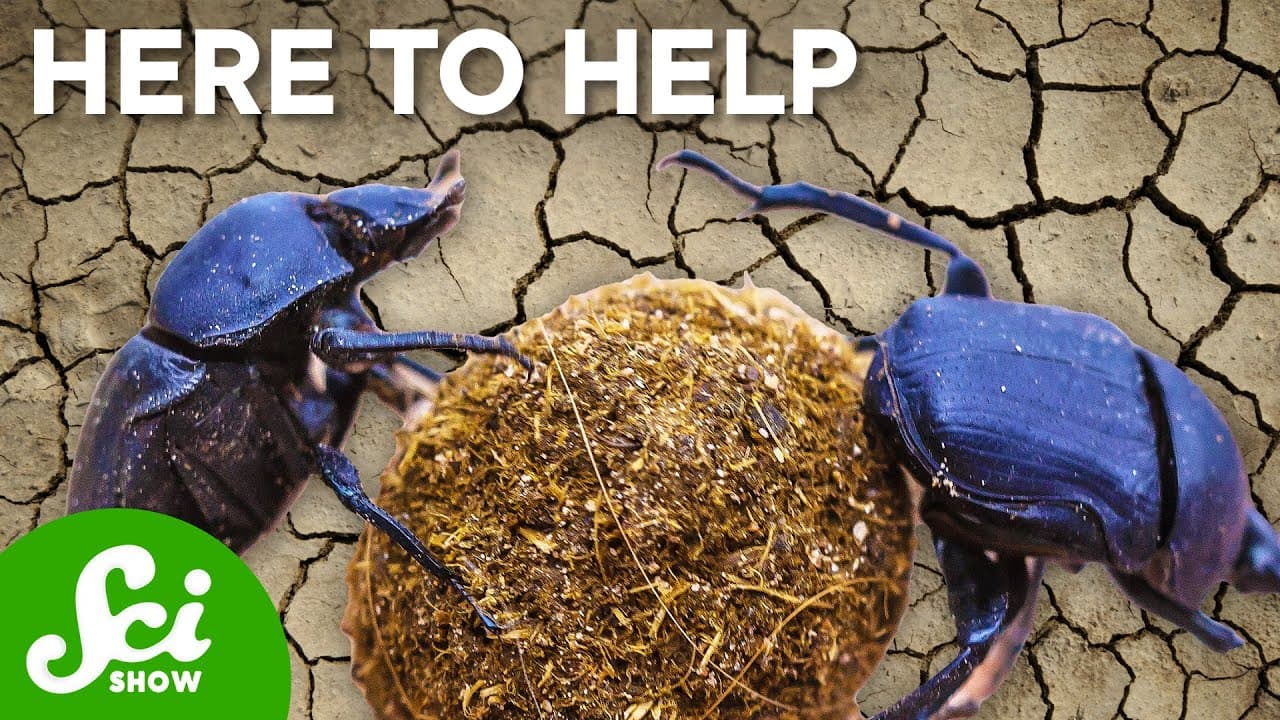
TL;DR
Dung beetles play a vital role in various ecological processes, including improving soil fertility, increasing water absorption, promoting plant growth, dispersing seeds, and reducing greenhouse gas emissions.
Transcript
Thanks to Brilliant for supporting this SciShow video! As a SciShow viewer, you can keep building your STEM skills with a 30 day free trial and 20% off an annual premium subscription at Brilliant.org/SciShow. You probably don’t spend a lot of time thinking about dung beetles. But maybe I can convince you that there’s a lot more to dung beetles... Read More
Key Insights
- 🪲 Dung beetles improve soil fertility and nutrient availability, making barren land suitable for plant growth.
- 💦 Their tunnelling activities enhance water absorption in the soil, reducing runoff and potential flooding.
- 🌱 Dung beetles contribute to plant productivity by dispersing seeds and creating favorable conditions for germination.
- 🫢 They have the potential to reduce greenhouse gas emissions, specifically methane, in outdoor cattle farming systems.
- 😀 Introduction of dung beetles in Australia has transformed soil ecosystems, limiting pollution and pest influence.
- 🐕🦺 The ecological services provided by dung beetles are often overlooked but are crucial for maintaining ecosystem balance.
- 🖐️ Dung beetles thrive in diverse communities, where different species play multiple roles, enhancing their overall impact.
Install to Summarize YouTube Videos and Get Transcripts
Explore YouTube Video Summarizer or Get YouTube Transcript Extractor
Questions & Answers
Q: How do dung beetles help improve soil fertility?
Dung beetles enhance soil fertility by adding nutrients to poor quality soil, making it more suitable for plant growth. Their activity increases the availability of nutrients and improves soil structure.
Q: What role do dung beetles play in water absorption and flood prevention?
Dung beetles create tunnels in the soil, which make it more porous and capable of absorbing and retaining more water. This reduces runoff and potential flooding, benefitting both ecosystems and agriculture.
Q: How do dung beetles contribute to plant growth and productivity?
Dung beetles play a crucial role in dispersing seeds through their dung burying behavior. By burying dung balls filled with seeds, they protect them from predators and pathogens, promote proper spacing, and create favorable conditions for germination and growth.
Q: How do dung beetles reduce greenhouse gas emissions?
Dung beetles break up cow patty dung, exposing its contents to oxygen. This process reduces the amount of methane, a potent greenhouse gas, emitted from cow pastures. However, their impact is limited in indoor cattle farming systems.
Summary & Key Takeaways
-
Dung beetles perform important ecological functions by creating brood balls, digging tunnels, and living in dung piles.
-
They help regenerate poor quality soil by adding nutrients and improving fertility, making it suitable for plant growth.
-
Dung beetles increase water absorption in the soil, reducing runoff and potential flooding, and creating beneficial conditions for plant communities.
Read in Other Languages (beta)
Share This Summary 📚
Summarize YouTube Videos and Get Video Transcripts with 1-Click
Try YouTube Summary with ChatGPT & Claude or YouTube Transcript Generator
Explore More Summaries from SciShow 📚


Summarize YouTube Videos and Get Video Transcripts with 1-Click
Try YouTube Summary with ChatGPT & Claude or YouTube Transcript Generator