Elon Musk, Ray Dalio, and Jeff Bezos - Josh Wolfe on Evaluating Leadership
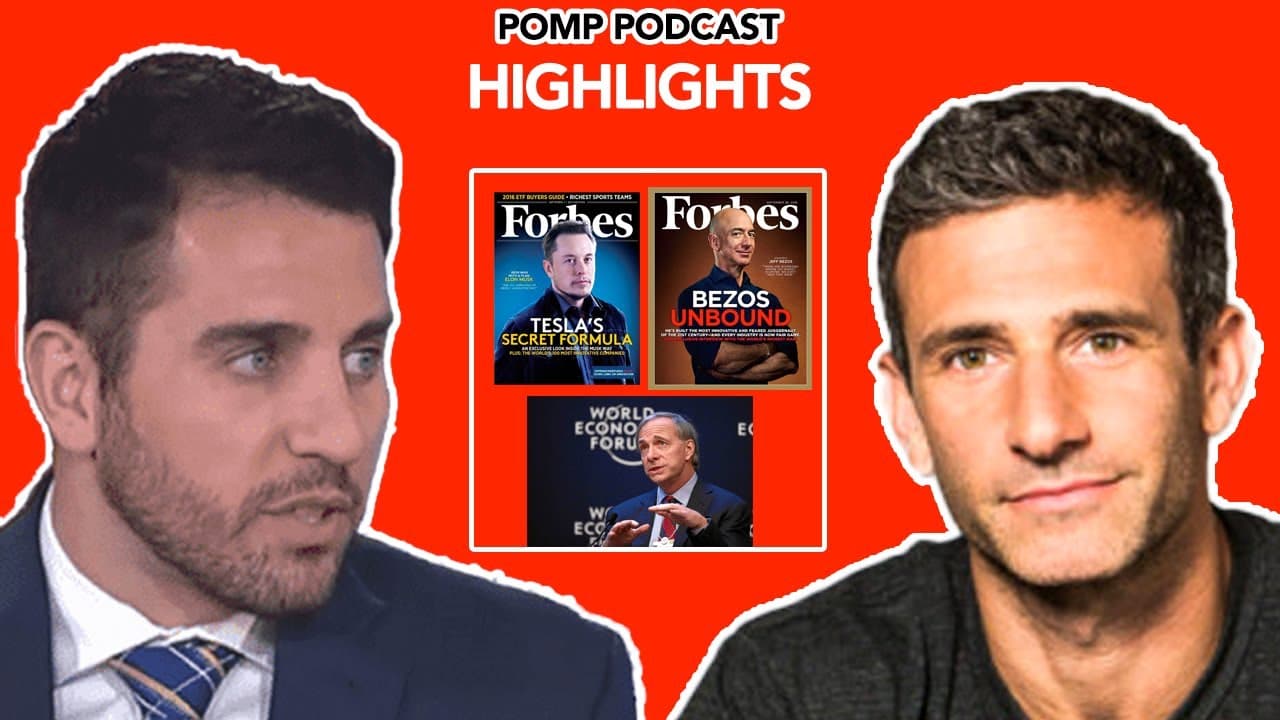
TL;DR
The content discusses the mixed views on Elon Musk's leadership and ethics in relation to his companies.
Transcript
obviously I wanna spend some time talking about him but but I guess part of this is you are probably one of the more outspoken people who I believe separates what I'll call the promotion and marketing and kind of the outward message from the science that's being done there and just so people understand I think your position is a big believer in the... Read More
Key Insights
- 🎁 There is a tension between visionary ambitions and financial honesty in how companies like Tesla and SpaceX present their goals.
- 💪 Strong leadership involves both inspiring innovation and maintaining transparency with investors to build trust.
- ❓ The comparison between Musk and Bezos illustrates different leadership styles that can significantly affect company culture and investor relations.
- ✋ The necessity for robust oversight in leadership is important, especially in high-profile roles driven by strong personalities.
- 🧑⚕️ Companies can enhance their reputations by fostering ethical practices and clear communication about their financial health and goals.
- 👨💼 Media portrayals and public perception can shape investor confidence, underscoring the importance of managing narratives in a business context.
- 🪡 Critiques of companies like Tesla and Ray Dalio's firm emphasize the need for rigorous ethical standards in both engineering and finance.
Install to Summarize YouTube Videos and Get Transcripts
Explore YouTube Video Summarizer or Get YouTube Transcript Extractor
Questions & Answers
Q: What are the main criticisms the speaker has regarding Elon Musk's leadership?
The speaker criticizes Musk for what they see as a manipulative approach to marketing and financial reporting. They express concern that Musk's visionary ambitions may be overshadowed by a lack of honesty regarding profitability and financial projections, which could eventually harm investor trust and company reputation.
Q: How does the speaker view the ambitious goals of companies like SpaceX and Tesla?
The speaker admires the pursuit of ambitious objectives such as space exploration and technological innovation. They see these goals as vital for societal purpose and advancement, viewing the talent collected in these companies as driven and inspired by Musk's leadership, despite reservations about how the ambitions are communicated.
Q: What alternative leadership style does the speaker suggest for companies like Tesla?
The speaker suggests a leadership model that fosters accountability and transparency, indicating that Musk could benefit from stronger oversight and controls. They emphasize the importance of setting realistic expectations for investors, suggesting Musk should be empowered to innovate while remaining honest about the risks involved.
Q: What comparison is made between Elon Musk and Jeff Bezos?
The speaker contrasts Musk's leadership with Bezos, arguing that Bezos employs a more grounded approach. Bezos focuses on technological investment driven by customer desires, making business decisions based on ethical considerations and operational performance rather than relying heavily on spectacle or hype.
Q: How does the conversation reflect on investor behavior regarding companies?
The speaker believes that a company's investor base reflects its quality and governance practices. They argue that if a company attracts a largely retail investor crowd, it may indicate inefficiencies or ethical shortcomings in its operations. Strong ethical conduct could cultivate a more discerning class of investors.
Q: What lessons can be learned from the discussion of Ray Dalio and his firm?
The speaker points out the importance of professional integrity and the necessity of transparency in financial firms. They note the need for firms like Dalio's to publish clear performance data to counter skepticism and validate their investment strategies, suggesting this approach could prevent allegations of back-end questionable practices.
Q: Why does the speaker feel honesty is crucial in business practices?
The speaker highlights that honesty builds trust with investors and stakeholders, implying that deceptive practices can lead to long-term damage. They emphasize that clear communication can mitigate criticism and strengthen a company's reputation, making transparency a vital part of successful leadership.
Summary & Key Takeaways
-
The speaker values the ambitious scientific goals of companies like SpaceX and Tesla but criticizes their execution and commitment to honesty, feeling there's a manipulation of investors.
-
The conversation highlights the difference between visionary ambition and financial transparency, suggesting that honesty in reporting could build greater trust with investors.
-
The analysis draws comparisons with other leaders like Jeff Bezos, emphasizing their grounded approaches to business that prioritize ethical execution rather than showmanship.
Read in Other Languages (beta)
Share This Summary 📚
Summarize YouTube Videos and Get Video Transcripts with 1-Click
Try YouTube Summary with ChatGPT & Claude or YouTube Transcript Generator
Explore More Summaries from Anthony Pompliano 📚

Summarize YouTube Videos and Get Video Transcripts with 1-Click
Try YouTube Summary with ChatGPT & Claude or YouTube Transcript Generator