Products
Features
YouTube Video Summarizer
Summarize YouTube videos
Web & PDF Highlighter
Highlight web pages & PDFs
Chat with PDF
Ask any PDF questions with AI
Ask AI Clone
Chat with your highlights & memories
Audio Transcriber
Transcribe audio files to text
Glasp Reader
Read and highlight articles
Kindle Highlight Export
Export your Kindle highlights
Idea Hatch
Hatch ideas from your highlights
Integrations
Obsidian Plugin
Notion Integration
Pocket Integration
Instapaper Integration
Medium Integration
Readwise Integration
Snipd Integration
Hypothesis Integration
Apps & Extensions
Chrome Extension
Safari Extension
Edge Add-ons
Firefox Add-ons
iOS App
Android App
Discover
Discover
Ideas
Discover new ideas and insights
Articles
Curated articles and insights
Books
Book recommendations by great minds
Posts
Essays and notes from readers
Quotes
Inspiring quotes collection
Videos
Curated videos and summaries
Explore Glasp
Glasp Newsletter
Weekly insights and updates
Glasp Talk
Interview series with great minds
Glasp Blog
Latest news and articles
Glasp Use Cases
Learn how others use Glasp
Build & Support
Glasp API
Access Glasp's API for developers
MCP Connector
Connect Glasp to Claude & ChatGPT
Community
Glasp Reddit Community
Students
Student discount and benefits
FAQs
Frequently Asked Questions
AboutPricing
DashboardLog inSign up

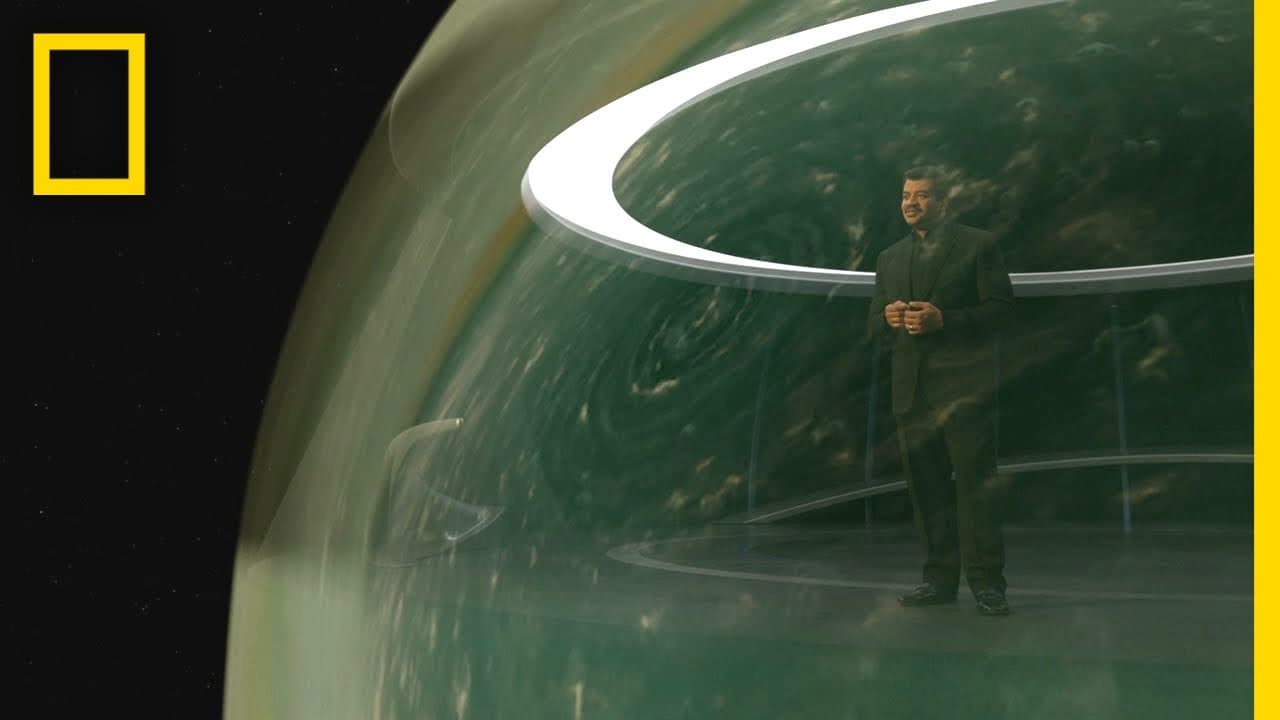
The Sacrifice of Cassini | Cosmos: Possible Worlds
793.4K views
•
April 16, 2020
by
National Geographic
YouTube video player
The Sacrifice of Cassini | Cosmos: Possible Worlds

TL;DR

Saturn's rings formed from moon debris, Cassini-Huygens spacecraft discovered Titan's complexity, Saturn's hexagonal storm is natural.

Transcript

[ethereal music] Why do some worlds have rings and others don't? Why no rings for Earth or Mars? We wouldn't recognize Saturn without them. He looks naked without his rings. But how did he get them in the first place? This is exactly what the French astronomer douard Roche asked himself when he looked at Saturn through his telescope in 1848. Roche ... Read More

Key Insights

  • 🪐 Saturn's rings were likely formed from moon debris close to the planet.
  • ❓ The Cassini-Huygens spacecraft made significant discoveries about Titan's features and Saturn's hexagonal storm.
  • 💈 Saturn's hexagonal storm is a natural atmospheric phenomenon caused by upwellings near the poles.
  • 🥮 Cassini spacecraft sacrificed itself to prevent contaminating potentially habitable moons.
  • 🤢 Titan's lakes, mountains, and methane seas make it a unique moon in the solar system.
  • 💈 The hexagonal shape of Saturn's north pole storm is a result of ammonia upwellings.
  • 🔬 Cassini's exploration of Saturn and Titan provided valuable insights into planetary science.

Install to Summarize YouTube Videos and Get Transcripts

Explore YouTube Video Summarizer or Get YouTube Transcript Extractor

Questions & Answers

Q: How did French astronomer Roche explain the formation of Saturn's rings?

French astronomer Roche proposed that Saturn's rings were the debris of moons pulled apart by Saturn's tidal forces, a theory confirmed by the Cassini spacecraft.

Q: What were the significant discoveries made by the Cassini-Huygens spacecraft?

The Cassini-Huygens spacecraft discovered Titan's diverse features, methane seas, and unveiled Saturn's hexagonal storm, providing insights into Saturn's moons.

Q: What causes Saturn's hexagonal storm at its north pole?

Saturn's hexagonal storm is caused by upwellings of ammonia near the poles, creating a frenzy of thunder and lightning within the large hurricane-like structure.

Q: Why did Cassini take its own life during Saturn's summer?

Cassini spacecraft was commanded to dive into Saturn during summer after providing valuable data and images for over seven years, ensuring it doesn't contaminate potentially habitable moons.

Summary & Key Takeaways

  • French astronomer Roche theorized Saturn's rings were moon debris, confirmed by Cassini.

  • Cassini-Huygens spacecraft unveiled Titan's diverse features and methane seas.

  • Saturn's hexagonal storm is a natural phenomenon caused by upwellings of ammonia.


Read in Other Languages (beta)

English

Share This Summary 📚

Summarize YouTube Videos and Get Video Transcripts with 1-Click

Download browser extensions on:

Try YouTube Summary with ChatGPT & Claude or YouTube Transcript Generator

Explore More Summaries from National Geographic 📚

Mitigation and Adaptation: Human Stories of Hope | Explorers In The Field thumbnail
Mitigation and Adaptation: Human Stories of Hope | Explorers In The Field
National Geographic
Horseshoe Crabs Mate in Massive Beach "Orgy" | National Geographic thumbnail
Horseshoe Crabs Mate in Massive Beach "Orgy" | National Geographic
National Geographic
Stuffing Dead Pets | Taboo: Pets thumbnail
Stuffing Dead Pets | Taboo: Pets
National Geographic
Where Your Cat Goes May Blow Your Mind | National Geographic thumbnail
Where Your Cat Goes May Blow Your Mind | National Geographic
National Geographic

Summarize YouTube Videos and Get Video Transcripts with 1-Click

Download browser extensions on:

Try YouTube Summary with ChatGPT & Claude or YouTube Transcript Generator

Apps & Extensions

  • Chrome Extension
  • Safari Extension
  • Edge Add-ons
  • Firefox Add-ons
  • iOS App
  • Android App

Key Features

  • YouTube Video Summarizer
  • Web & PDF Summarizer
  • Web & PDF Highlighter
  • Chat with PDF
  • Ask AI Clone
  • Audio Transcriber
  • Glasp Reader
  • Kindle Highlight Export
  • Idea Hatch

Integrations

  • Obsidian Plugin
  • Notion Integration
  • Pocket Integration
  • Instapaper Integration
  • Medium Integration
  • Readwise Integration
  • Snipd Integration
  • Hypothesis Integration

More Features

  • APIs
  • MCP Connector
  • Blog & Post
  • Embed Links
  • Image Highlight
  • Personality Test
  • Quote Shots

Company

  • About us
  • Blog
  • Community
  • FAQs
  • Job Board
  • Newsletter
  • Pricing
Terms

•

Privacy

•

Guidelines

© 2026 Glasp Inc. All rights reserved.