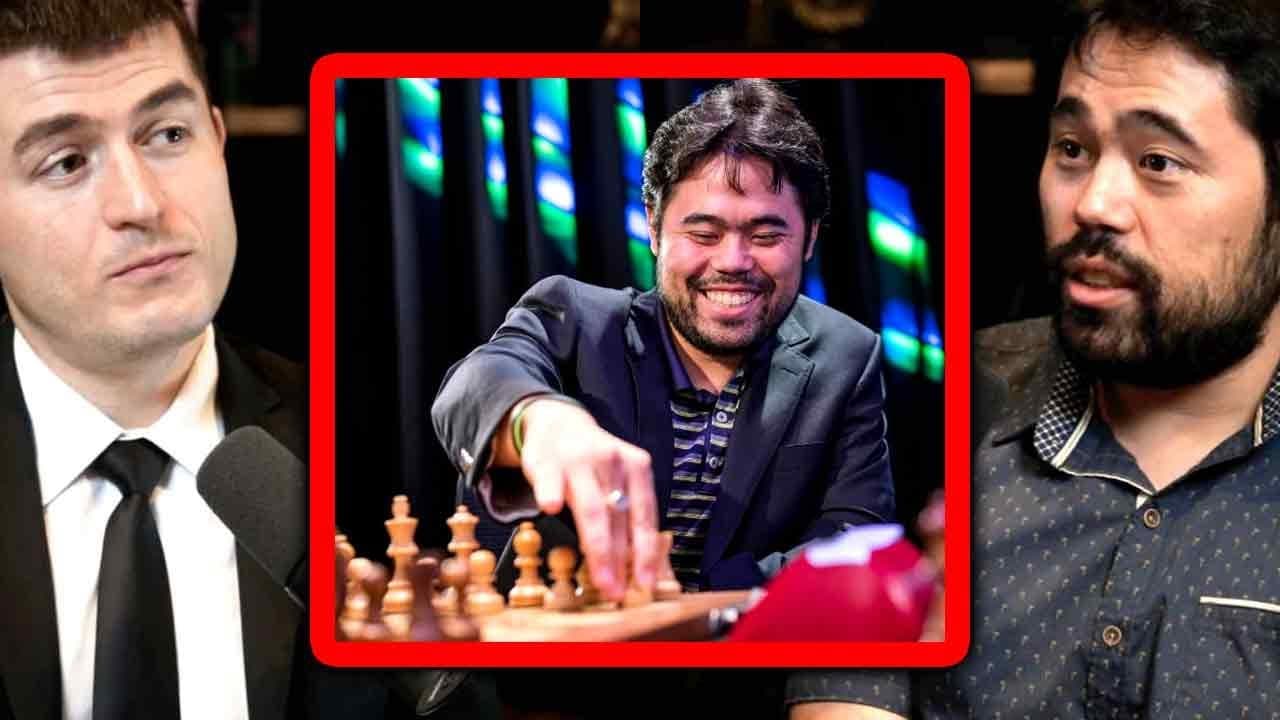
Psychological preparation of a chess grandmaster | Hikaru Nakamura and Lex Fridman
TL;DR
The professional chess player discusses the psychological shifts and lessons learned that have contributed to his success in the game.
Transcript
if we dig into the psychological preparation is there something to your mental preparation that you do that makes you successful like what are the lessons over all these years that you learned what works what doesn't do you drink a bunch of whiskey the night before is there is there some small hacks or major ones about how you approach the game it'... Read More
Key Insights
- ♟️ The professional chess player's psychological profile changed due to the shift in his income source during the pandemic.
- ♟️ Financial pressure and the unstable nature of chess as a profession contributed to the player's intense mindset before the pandemic.
- 🎮 Detaching from the outcome and adopting a more relaxed mindset allowed the player to play the game better and improve.
- 🍳 Prioritizing enjoyment and taking breaks from intense preparation can have a positive impact on performance.
- 🍧 The player's experience highlights the importance of having a more balanced and healthier approach to competitive pursuits.
- ✋ The pressure to always perform at a high level can significantly impact a player's mental state and overall well-being.
- ♟️ The financial aspect of chess creates additional stress and uncertainties for professional players.
Install to Summarize YouTube Videos and Get Transcripts
Explore YouTube Video Summarizer or Get YouTube Transcript Extractor
Questions & Answers
Q: How has the professional chess player's mindset changed since the pandemic?
The professional chess player's mindset has shifted from putting immense pressure on himself to not overly caring about the outcome and accepting losses as not the end-all be-all.
Q: What were some of the psychological approaches the player used before the pandemic?
Before the pandemic, the player would go for walks to clear his mind after a bad game, trying to have short-term memory loss and not dwell on past performance.
Q: How does the financial aspect of chess contribute to the pressure felt by players?
Only the top 20-30 players in the world make a living from chess, and without invitations to high-paying tournaments, it becomes challenging to earn a stable income, leading to financial pressures.
Q: What impact did the player's shift in income source have on his mindset?
The player's shift in income source freed him from the immense pressure he felt before, allowing him to take risks and focus on playing the game purely without worrying excessively about results.
Summary & Key Takeaways
-
The professional chess player's approach to the game changed during the pandemic, as his income source shifted, leading to a different psychological profile.
-
Previously, he would try to clear his mind after a bad game by going for a walk, aiming for short-term memory loss and not overly caring about the outcome.
-
The pressure of needing to always perform at a high level was intense before the pandemic, but now he has a more relaxed mindset, realizing that losing a game is not the end of the world.
Read in Other Languages (beta)
Share This Summary 📚
Summarize YouTube Videos and Get Video Transcripts with 1-Click
Try YouTube Summary with ChatGPT & Claude or YouTube Transcript Generator
Explore More Summaries from Lex Clips 📚


Summarize YouTube Videos and Get Video Transcripts with 1-Click
Try YouTube Summary with ChatGPT & Claude or YouTube Transcript Generator