How Spiders Use Electricity to Fly | Decoder
TL;DR
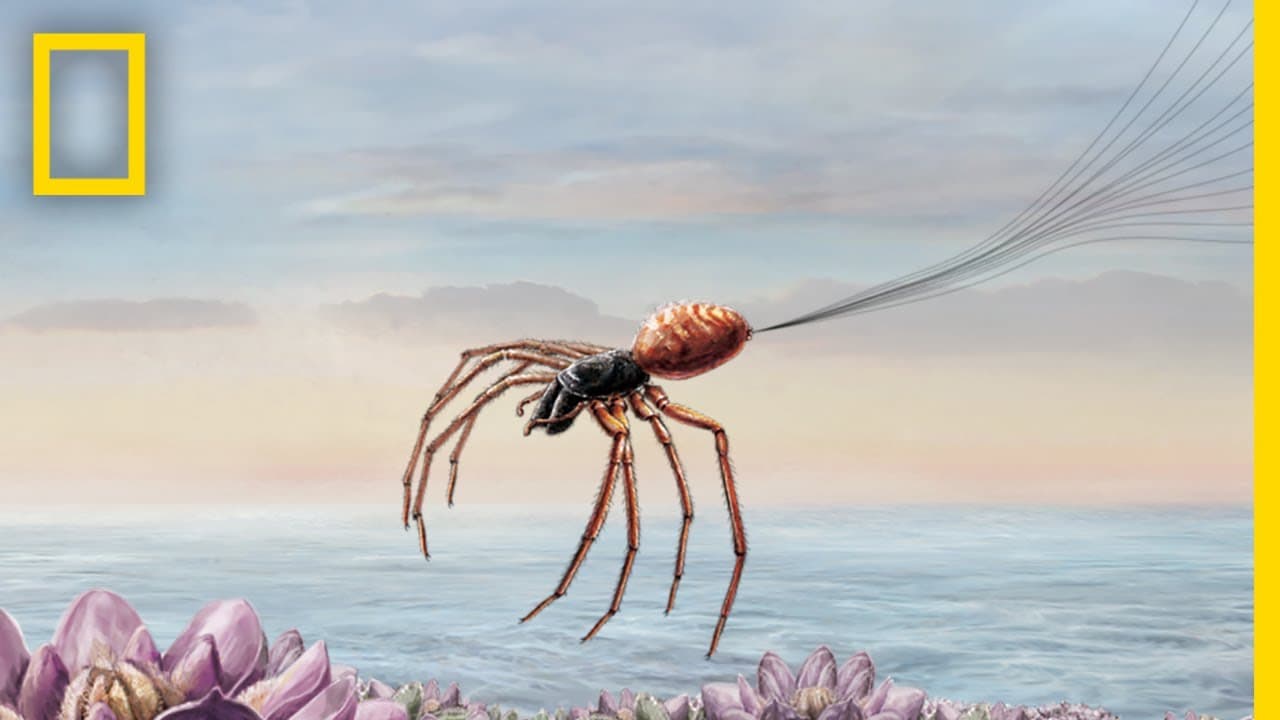
Spiders use static electricity to balloon and travel across long distances in the air.
Transcript
When you think of flying animals, what do you think of? Birds, butterflies, or bees might first come to mind, but what about spiders? Even though they don't have wings, it turns out that spiders are actually some of nature's best aviators. So, how do spiders take to the skies? Lightning storms are one of nature's most powerful displays of Earth's... Read More
Key Insights
- 👱 Spiders can travel long distances through the air by utilizing Earth's electric field.
- 💬 The interaction between positive and negative charges enables spiders to balloon and navigate the sky.
- 😒 Scientists are intrigued by spiders' ability to use static electricity for their aerial journeys.
- 👻 Ballooning allows spiders to disperse to new habitats and potentially influence ecosystems.
- 😒 Understanding spiders' use of electricity in flight could lead to advancements in biomimicry and technology.
- 🖐️ Earth's natural electrical phenomena play a crucial role in enabling spiders to take to the skies.
- 💨 The fine hairs on spiders' legs help them sense wind and electrical conditions, aiding in their ballooning behavior.
Install to Summarize YouTube Videos and Get Transcripts
Explore YouTube Video Summarizer or Get YouTube Transcript Extractor
Questions & Answers
Q: How do spiders use Earth's electric field to fly?
Spiders use the Earth's electric field to balloon by releasing charged silk strands that repel each other, providing the force needed to lift into the air.
Q: Why do some spiders travel thousands of miles through the air?
Some spiders undertake long journeys through the air to find new habitats or spread their species to far-off locations, utilizing the wind for transportation.
Q: What role does static electricity play in spiders' ballooning behavior?
Static electricity generated by the charged silk strands allows spiders to create a repelling force, similar to what happens when your hair sticks out after rubbing it with a balloon, aiding in their flight.
Q: Why are scientists studying spiders' use of electricity during ballooning?
Scientists are researching how spiders use electricity for flight to gain insights into their behavior, migration patterns, and potential implications for ecological systems.
Summary & Key Takeaways
-
Spiders use Earth's electric field to defy gravity and travel through ballooning.
-
The silk strands they release are charged, creating repelling forces like static electricity.
-
Scientists are still studying how spiders use electricity for their airborne journeys.
Read in Other Languages (beta)
Share This Summary 📚
Summarize YouTube Videos and Get Video Transcripts with 1-Click
Try YouTube Summary with ChatGPT & Claude or YouTube Transcript Generator
Explore More Summaries from National Geographic 📚



Summarize YouTube Videos and Get Video Transcripts with 1-Click
Try YouTube Summary with ChatGPT & Claude or YouTube Transcript Generator