How shocking events can spark positive change | Naomi Klein
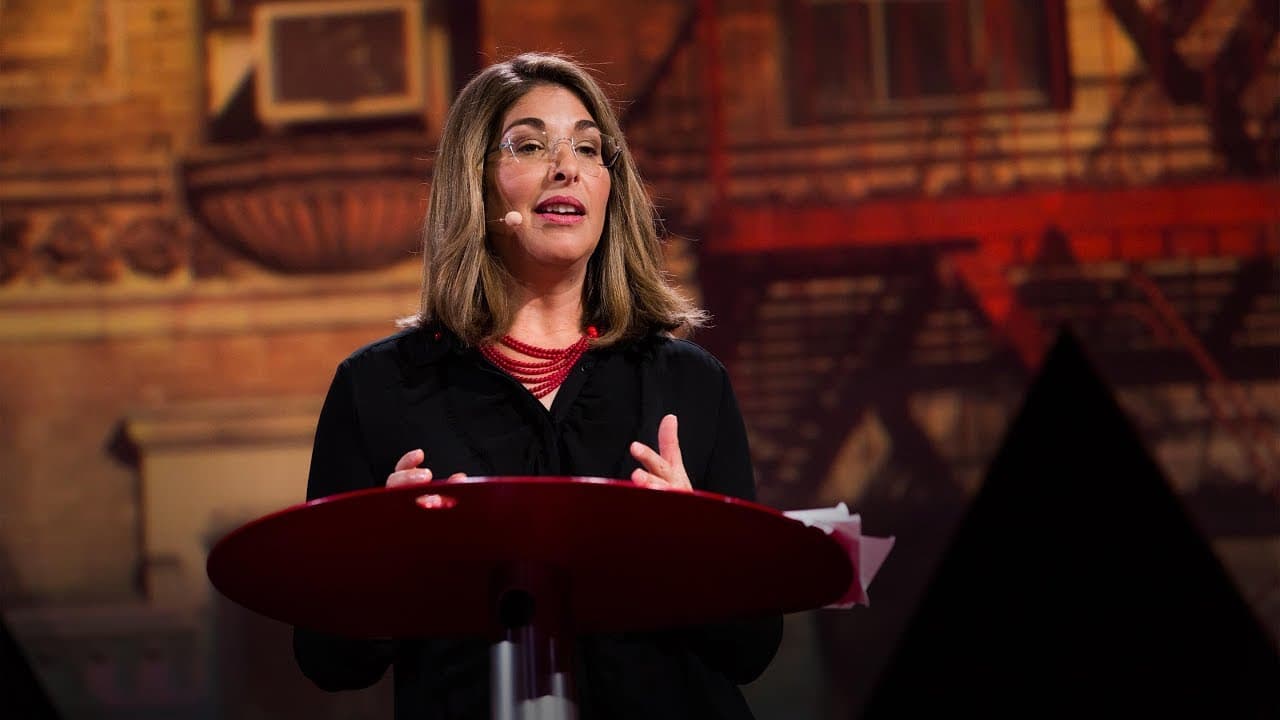
TL;DR
This content explores the question of why some crises inspire change and evolution while others do not.
Transcript
There's a question I've been puzzling over and writing about for pretty much all of my adult life. Why do some large-scale crises jolt us awake and inspire us to change and evolve while others might jolt us a bit, but then it's back to sleep? Now, the kind of shocks I'm talking about are big -- a cataclysmic market crash, rising fascism, an industr... Read More
Key Insights
- 🌍 Crises have the potential to inspire transformative change and social progress, but their impact depends on how society responds.
- 💡 Imagination and organization are two key ingredients for catalyzing deep transformation in the face of shocking events.
- 🌏 Progressive movements are growing, but they need a coherent vision of the world they are fighting for, one that connects various issues and values.
- 🏛️ The New Deal in response to the Great Crash of 1929 was not just a result of the shock, but also the result of a collective imagining of an alternative future and strong organized movements.
- 🤝 Silos, or compartmentalization of issues and organizations, hinder progress by preventing collaboration, obscuring connections between issues, and providing a holistic vision of change.
- ✊ The power of movements lies in their ability to spread good ideas, prioritize collective action over individual credit, and build broad alliances.
- 🌟 Climate change and inequality must be addressed together, as they are deeply interconnected and impact marginalized communities the most.
- 🚀 Crises, despite being overwhelming, can be opportunities for growth and transformation if we collectively envision and work towards a better world.
Install to Summarize YouTube Videos and Get Transcripts
Explore YouTube Video Summarizer or Get YouTube Transcript Extractor
Questions & Answers
Q: Why do some large-scale crises inspire change and evolution, while others do not?
This is a question that has puzzled the speaker for a long time. While some crises act as wake-up calls and push societies to organize and change, others result in regression and instability. The speaker refers to this phenomenon as the "Shock Doctrine" and wants to understand what determines the different responses to crises.
Q: How did the Great Crash of 1929 lead to transformative changes?
The Great Crash of 1929, followed by the Great Depression, led to significant changes in society. The shock of the market collapse made people realize that the system itself was broken. This inspired the government to implement reforms, such as social security programs, job-creating public investments, and aggressive banking regulations. These changes were a result of a collective understanding that a safer place was needed, and people took action accordingly.
Q: Why do today's continuous shocks fail to spur us into action, especially regarding climate change?
Despite the currently shocking events such as extreme weather, rising fascism, and supremacist movements, society seems to lack the sense of urgency that these crises demand. The speaker believes that the missing factors are imagination and organization. While there are movements demanding change and proposing bold initiatives, there is a lack of a clear, holistic, and universal vision of the world we want to create.
Q: Why do fragmented approaches to political change hinder progress?
Society often compartmentalizes political change into separate issues and groups, creating silos. While this division helps manage the complexity of the world, it also leads to a lack of collaboration, understanding, and support for different causes. Connections between issues like poverty and climate change or racial justice and environmentalism are often overlooked. This fragmented approach prevents the emergence of a coherent vision for a better world.
Summary & Key Takeaways
-
The speaker questions why some crises inspire change while others do not
-
The importance of imagination and organization in driving transformative change is emphasized
-
The need for interconnectedness between various movements and the creation of a holistic vision for a better world is highlighted
Read in Other Languages (beta)
Share This Summary 📚
Summarize YouTube Videos and Get Video Transcripts with 1-Click
Try YouTube Summary with ChatGPT & Claude or YouTube Transcript Generator
Explore More Summaries from TED 📚



Summarize YouTube Videos and Get Video Transcripts with 1-Click
Try YouTube Summary with ChatGPT & Claude or YouTube Transcript Generator