10 Unbelievable Stories About Terrifying Movie Creatures - Explored
TL;DR
A deep dive into the creation stories of iconic movie creatures.
Transcript
foreign the world of Cinema has given us a wide variety of creatures ranging from The Lovable Toothless and the endearing Dobby to the menacing Grand core and the creepy Pale Man the last few decades have seen an influx of fantasy films studded with computer-generated characters which are brilliantly realistic such as the genetically Advanced chimp... Read More
Key Insights
- 🔉 The journey of cinematic creatures reflects the dawn of advanced visual effects and storytelling, revolutionizing the film medium.
- 🙈 The practical application of effects often enhances viewer engagement and emotional connection with characters, as seen with the performance of animatronic creatures.
- 😱 Iconic figures like the balrog and xenomorph exhibit unique designs grounded in their creators' artistic visions, merging horror with aesthetics.
- 🦾 Filmmakers frequently leverage the limitations of mechanical effects to generate suspense, inadvertently heightening the narrative impact.
- 🧑🏭 Behind-the-scenes anecdotes reveal that often, the interaction between actors and creatures relied on innovative blendings of animation and live performance.
- 🤟 Characters like Draco in Dragonheart exemplify how voice actors influence character design, adding emotional depth through vocal performance and physical gestures.
- 📈 Aslan's evolution from CGI to practical effects highlights a broader filmic trend emphasizing tangible emotional moments in fantasy storytelling.
Install to Summarize YouTube Videos and Get Transcripts
Explore YouTube Video Summarizer or Get YouTube Transcript Extractor
Questions & Answers
Q: How did the animators tackle the challenges of creating the balrog in The Lord of the Rings?
The WETA studio faced significant challenges in creating the balrog, particularly its size and movements. They aimed to depict it as a slow, menacing entity but added speed during its fall to enhance the visual impact. Animators spent months perfecting the creature’s appearance, illustrating its formidable nature through careful design and animation.
Q: What inspired the design of the xenomorph in Alien, and who was responsible for it?
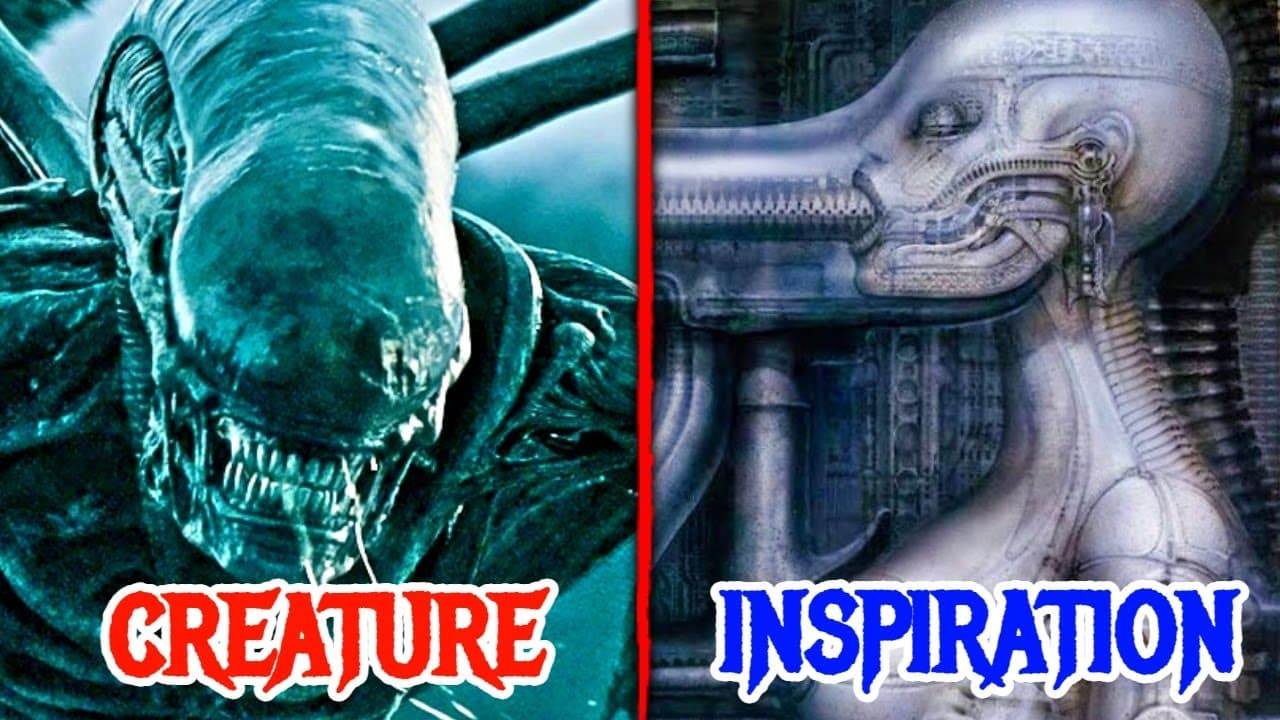
H.R. Giger was tasked with creating the xenomorph in Ridley Scott's Alien, drawing from his surrealistic artwork. His design was marked by biomechanical aesthetics, combining human and alien attributes. Giger’s unique vision, which included the alien’s lack of eyes and sexual imagery, added to its horror, resulting in a character that remains iconic in film history.
Q: How did the mechanical shark in Jaws contribute to the film's suspenseful atmosphere?
The mechanical shark, affectionately named Bruce, malfunctioned throughout filming, leading director Steven Spielberg to limit its on-screen appearances. This creative constraint gave rise to innovative filming techniques, such as POV shots that simulated the shark's perspective, which heightened suspense and fear, making the shark's infrequent appearances all the more impactful.
Q: What role did practical effects play in creating the Basilisk for Harry Potter?
For the Basilisk in Harry Potter and the Chamber of Secrets, a blend of practical and CGI effects was employed. An actual animatronic model was built for scenes requiring physical interaction, while CGI was used for slithering motions. This mixture created a tangible yet fantastic creature that felt authentic to viewers.
Q: What unique approach did the creators take with Jarnathon in Dungeons and Dragons?
The character Jarnathon was brought to life with an impressive 600-pound animatronic puppet, rather than relying solely on CGI. This decision allowed for a more believable on-screen presence and tangible interaction with other characters, showcasing how practical effects can enhance storytelling in fantasy films.
Q: In what ways did Benedict Cumberbatch prepare for his role as Smaug in The Hobbit?
Benedict Cumberbatch prepared for his portrayal of Smaug by immersing himself in the character physically, using a motion capture suit while performing his lines. His unique approach included slithering on the floor and drawing on childhood memories of his father's storytelling, which influenced his dramatic delivery and characterization of the dragon.
Q: What did Aslan’s design evolution between The Chronicles of Narnia films signify?
In the first Chronicles of Narnia film, Aslan was entirely CGI, but for the sequel, producers opted to introduce a creature actor to enhance viewer interaction. This decision underscored the importance of tangible effects in portraying emotional connections between characters, enriching the audience's experience through physical presence.
Q: How did the animators create Aragog in Harry Potter while addressing the characters' fears?
Aragog was constructed as a massive mechanical spider, designed to look realistic and terrifying. The team strategically placed the character in darker settings to enhance the scare factor, ensuring that the creation aligned with character fears on screen. This approach successfully conveyed the dangers posed by Aragog and resonated with audience fears.
Summary & Key Takeaways
-
The evolution of cinematic creatures reflects advancements in visual effects and character design, showcasing impressive transformations from King Kong to today’s CGI marvels.
-
Notable discussions include the challenges faced in creating iconic characters, like the slow-moving balrog in The Lord of the Rings and the malfunctioning mechanical shark in Jaws.
-
The making of beloved creatures such as Aslan and Draco highlights the blend of practical effects and voice acting that brings these fantastical beings to life.
Read in Other Languages (beta)
Share This Summary 📚
Summarize YouTube Videos and Get Video Transcripts with 1-Click
Try YouTube Summary with ChatGPT & Claude or YouTube Transcript Generator
Explore More Summaries from Marvelous Videos 📚


Summarize YouTube Videos and Get Video Transcripts with 1-Click
Try YouTube Summary with ChatGPT & Claude or YouTube Transcript Generator