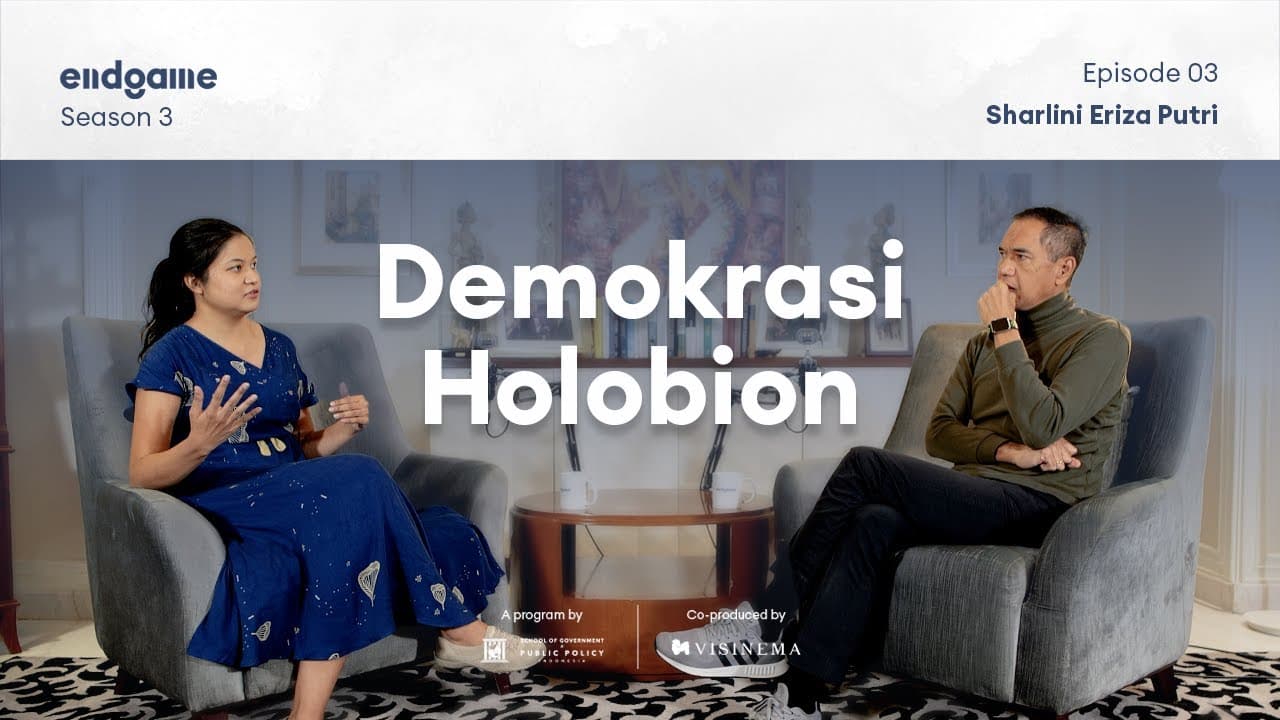
Sharlini Eriza Putri: Ada Semesta di Diri Kita | Endgame #55
TL;DR
Discussion on post-COVID world, education, and biodiversity.
Transcript
We have to stop the colonial curriculum, it's useless. The rendering process of issuing ideas requires a lot of input, and every child has the right for him to really know who he is in society. they're wolves, they're beavers, they're bison, or they're birds. Everyone must know himself. We can't say they are the same. [Voiceover: This is Endgame] ... Read More
Key Insights
- The current educational curriculum is outdated and needs reform to allow children to explore their identities and strengths through diverse interactions.
- COVID-19 has reshaped human narratives, emphasizing the need to coexist with viruses as part of our biological makeup.
- Vaccination progress is significant, but concerns remain for children under 12, highlighting the importance of safe school environments.
- Holobiont concept: Humans are ecosystems, and maintaining biodiversity within our bodies and environments is crucial for health.
- Climate change requires technological and policy innovations, with civil society playing a critical role in promoting regenerative practices.
- The gap between economic classes is widening due to COVID-19, necessitating systemic changes to redistribute wealth effectively.
- Democracy should value diversity and function, allowing each entity to perform its role for a balanced ecosystem.
- Indonesia's rich biodiversity positions it as a leader in promoting holistic environmental and societal approaches.
Install to Summarize YouTube Videos and Get Transcripts
Explore YouTube Video Summarizer or Get YouTube Transcript Extractor
Questions & Answers
Q: What are the main challenges in addressing the post-COVID world?
The post-COVID world challenges include managing ongoing virus mutations, ensuring effective vaccination coverage, especially for children under 12, and adapting societal norms to coexist with viruses as part of our biological ecosystems. This requires a balance of natural immunity and vaccination efforts.
Q: How does the concept of holobiont relate to human health?
The holobiont concept views humans as ecosystems, emphasizing that our bodies are composed of various microorganisms that are crucial for health. Maintaining biodiversity within our bodies and environments is essential for preventing diseases and ensuring a balanced immune system.
Q: What role does education play in shaping future societies?
Education is crucial in shaping future societies by enabling children to explore their identities and strengths through diverse interactions. Reforming the curriculum to move away from colonial models allows for a more holistic approach that values individual and collective growth.
Q: How can society address climate change effectively?
Addressing climate change effectively requires technological advancements, policy reforms, and increased awareness among civil society. Shifting from consumptive to regenerative practices and promoting renewable energy sources are essential steps towards mitigating climate impacts.
Q: What are the economic implications of COVID-19?
COVID-19 has exacerbated economic disparities, making wealth redistribution more challenging. The pandemic has highlighted the need for systemic changes to ensure economic recovery and reduce the gap between different economic classes, requiring both domestic and international financial strategies.
Q: How does biodiversity influence human and environmental health?
Biodiversity plays a critical role in maintaining human and environmental health by ensuring balanced ecosystems. A diverse range of species within our bodies and environments supports robust immune systems and ecological stability, reducing the risk of diseases and environmental degradation.
Q: What is the importance of democratizing talent in Indonesia?
Democratizing talent in Indonesia is vital for national development, ensuring that individuals from all sectors contribute to societal progress. Encouraging diverse talents to enter various fields, including public service, fosters innovation and addresses key issues like climate change and economic disparities.
Q: How can Indonesia lead in promoting holistic approaches globally?
Indonesia can lead globally by leveraging its rich biodiversity and cultural diversity to promote holistic approaches to health and environmental sustainability. By embracing the holobiont concept and valuing diverse ecosystems, Indonesia can set an example for integrating traditional wisdom with modern science.
Summary & Key Takeaways
-
The discussion emphasizes the need to reform education by moving away from a colonial curriculum to one that fosters identity exploration and interaction among children. This change is vital for personal and societal growth.
-
COVID-19 has highlighted humanity's intertwined existence with viruses, requiring a holistic approach to health that includes understanding our bodies as ecosystems, or holobionts, where biodiversity is essential.
-
Addressing climate change and economic disparities requires a combination of technological advancements, policy reforms, and increased awareness among civil society to shift towards sustainable and regenerative practices.
Read in Other Languages (beta)
Share This Summary 📚
Summarize YouTube Videos and Get Video Transcripts with 1-Click
Try YouTube Summary with ChatGPT & Claude or YouTube Transcript Generator
Explore More Summaries from Gita Wirjawan 📚


Summarize YouTube Videos and Get Video Transcripts with 1-Click
Try YouTube Summary with ChatGPT & Claude or YouTube Transcript Generator