Translations and their readers. What we know and don’t know
TL;DR
Understanding how translations are received by readers is crucial in translation studies, as it challenges assumptions and highlights the complexity of reader preferences.
Transcript
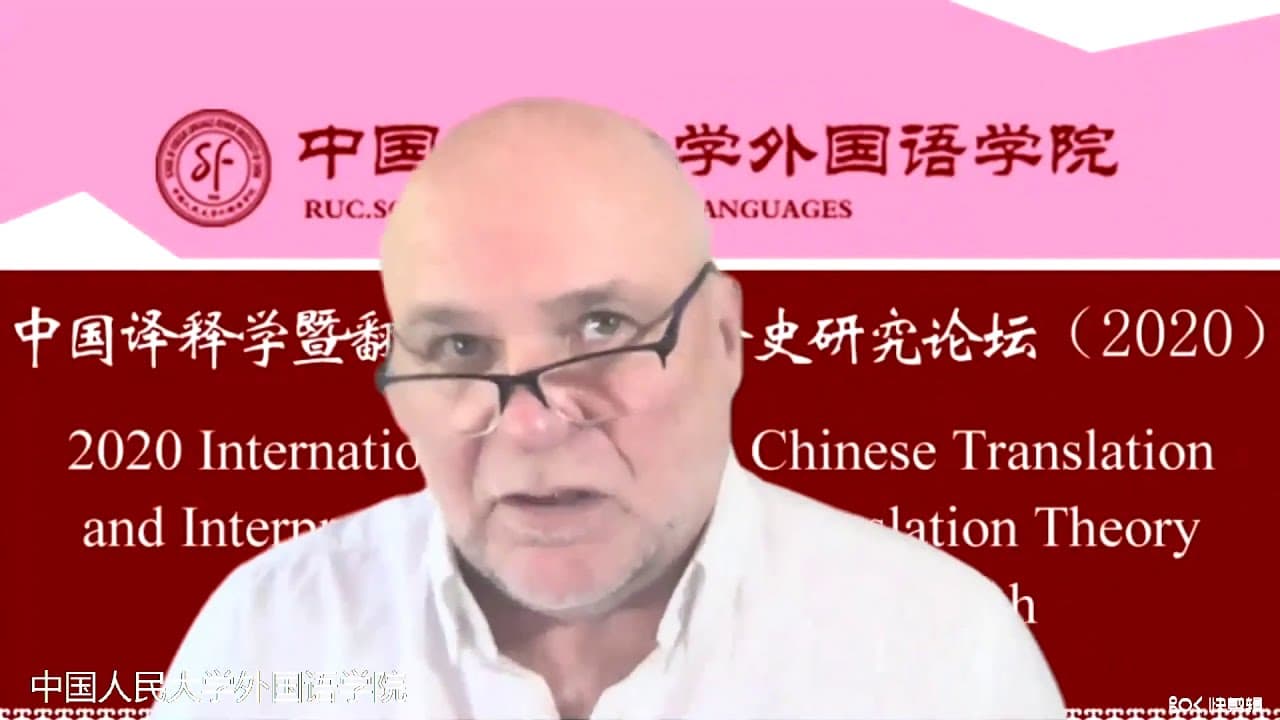
um in 20 minutes no more i want to argue that in translation studies internationally we know quite a bit about relationship between a text and a translation and between a translation and its text what we don't know about is how our translations are received and here i mean by flesh and blood readers and listeners audience public in the case of inte... Read More
Key Insights
- 😚 Close expert reading of a text is a legitimate approach, but it does not capture the diversity of reader preferences and interpretations.
- ❓ Cultural and linguistic debates in translation can be complicated, as preferences of readers can defy assumptions and cultural expectations.
- 👨🔬 Empirical research on reader reception of translations has yielded mixed results, challenging the idea of a linear relationship between translation strategies and reader preferences.
- 🧑💼 Reader reception is influenced by variables such as comprehension, aesthetic value, trust, and the trade-offs between these variables.
- 🥺 Excessive domestication in translation can lead to a lack of trust from readers, compromising their engagement with the text.
- 💍 Understanding reader reception is crucial for translators to effectively engage readers, appreciate foreign cultures, and potentially change readers' attitudes and behaviors.
- 👨🔬 Research on reader reception in translation studies is relatively unknown but has the potential to bring about more complex and nuanced approaches to translation.
Install to Summarize YouTube Videos and Get Transcripts
Explore YouTube Video Summarizer or Get YouTube Transcript Extractor
Questions & Answers
Q: Why is understanding reader reception important in translation studies?
Understanding reader reception helps researchers go beyond assumptions and engage with the diversity of reader preferences, challenging the idea that there is a single "correct" or "legitimate" reading of a translation.
Q: How do readers' preferences challenge translation decisions?
Readers' preferences can vary based on their cultural background, language proficiency, and personal experiences. This challenges the notion that translations should conform to a specific set of rules or be exclusively translated by native speakers.
Q: What are some findings of empirical research on reader reception?
Some studies have found minimal differences in reader reception, even when translation strategies changed dramatically. This suggests that readers may respond to translations in ways that cannot be easily predicted or controlled.
Q: How does excessive domestication in translation affect reader reception?
Excessive domestication, where translations are made to closely resemble the target language, can lead to a lack of trust from readers who perceive it as manipulated or unauthentic. This can result in a loss of interest or abandonment of the text.
Summary & Key Takeaways
-
Translation studies focus on the relationship between a text and its translation, but often neglect the importance of how translations are received by actual readers.
-
Readers' preferences and interpretations of translations can vary greatly, contradicting the presuppositions of translation studies and highlighting the need for more research on reader reception.
-
Debates on translation, such as who should translate literary texts, can be embroiled in cultural and linguistic differences, but the preferences of readers can defy these assumptions.
-
Empirical research on reader reception of translations has yielded mixed results, with some studies suggesting minimal differences in reception even when translation strategies vastly differ.
Read in Other Languages (beta)
Share This Summary 📚
Summarize YouTube Videos and Get Video Transcripts with 1-Click
Try YouTube Summary with ChatGPT & Claude or YouTube Transcript Generator
Explore More Summaries from Anthony Pym 📚



Summarize YouTube Videos and Get Video Transcripts with 1-Click
Try YouTube Summary with ChatGPT & Claude or YouTube Transcript Generator