What Is the Speed of Darkness?
TL;DR
Shadows can appear to move faster than light because they represent gaps where light is blocked, effectively travelling at light speed. Furthermore, destructive interference from waves can create dark patches that also seem to accelerate beyond light speed, illustrating the expanding nature of our ignorance as we continually uncover more questions than answers in science.
Transcript
Hey, Vsauce. Michael here. Nyctophobia is the fear of the dark. But there's another fear that's more chilling. It's the fear that darkness will go away. Optophobia, the fear of opening your eyes. Light travels at the fastest speed possible for a physical object. Darkness is erased when light appears, and returns when light leaves. The speed of dark... Read More
Key Insights
- 🙂 Shadows appear to move faster than light because they are just gaps where light is blocked.
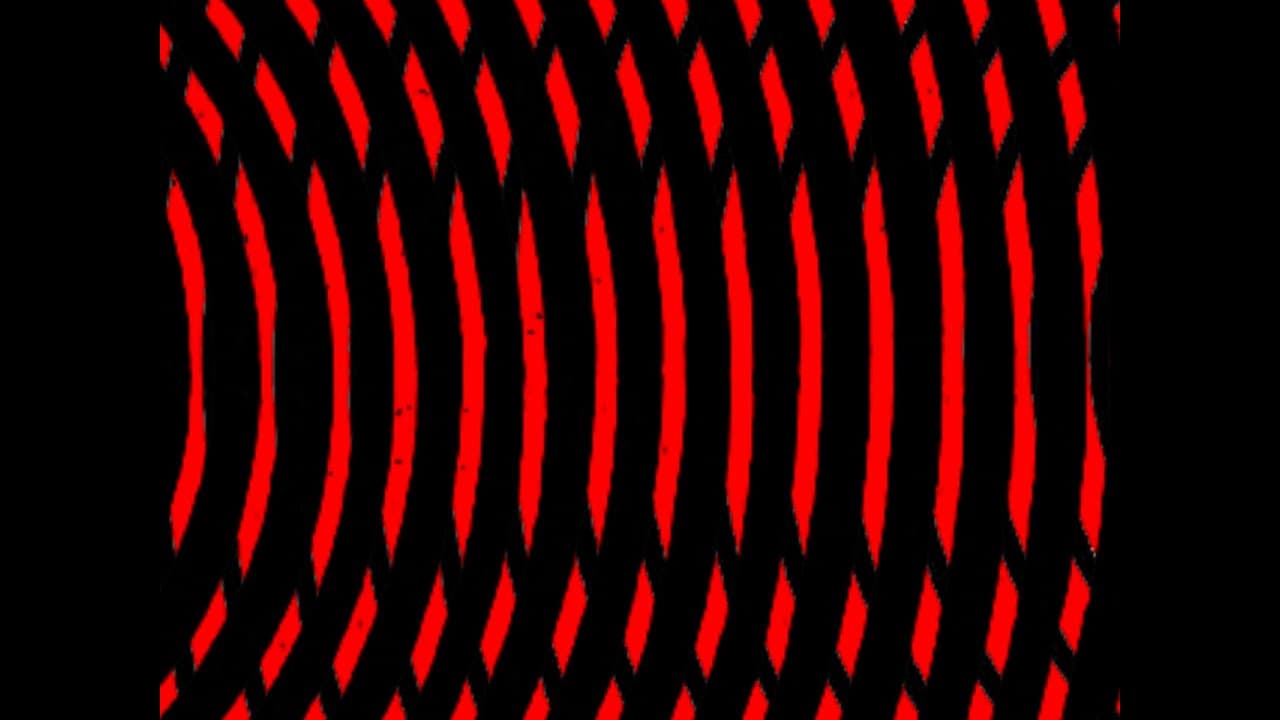
- 👋 Darkness caused by destructive interference of waves can travel faster than the waves themselves.
- ❓ The Dunning-Kruger effect explains why novices overestimate their knowledge, while experts may underestimate it.
- 💗 Ignorance, or the things we don't know, is growing faster than our knowledge due to the complexity of different fields.
- 🧑🏭 Science often begins where the facts run out, in the realm of the unknown.
- 🥺 The expansion of our ignorance leads to new discoveries and questions to explore.
- 🥺 Knowing facts is important, but embracing what we don't know can lead to deeper insights and understanding.
Install to Summarize YouTube Videos and Get Transcripts
Explore YouTube Video Summarizer or Get YouTube Transcript Extractor
Questions & Answers
Q: Can shadows actually move faster than light?
Shadows appear to move faster than light because they are just gaps where light is blocked. The darkness itself does not actually travel; it is just the absence of light. So while shadows can seem to move quickly across a surface, they are not actually breaking the speed of light.
Q: How can darkness travel faster than light in certain circumstances?
Darkness created through destructive interference of waves can appear to move faster than light. When wave crests and troughs intersect, their combined effect can produce darkness. In certain situations, this darkness can move faster than the waves of light, especially in the middle where the destructive interference is strongest.
Q: What is the Dunning-Kruger effect?
The Dunning-Kruger effect refers to the tendency for novices to overestimate their knowledge and abilities in a particular field because they don't realize how much they still have to learn. On the other hand, experts may underestimate their knowledge and think that others have similar expertise. This effect occurs because the more one learns, the more they realize how much they don't know.
Q: How is ignorance growing faster than knowledge?
The study of ignorance, known as agnotology, suggests that the number of things we know we are in the dark about is growing faster than the things we have shed light on. The circumference of our ignorance is expanding as our knowledge grows, revealing new questions and areas of uncertainty.
Summary & Key Takeaways
-
Shadows can appear to move faster than light because they are just gaps where light is blocked, and the darkness travels at the speed of light.
-
Waves of light can create dark patches through destructive interference, and these dark patches can appear to move faster than the waves themselves.
-
The Dunning-Kruger effect explains how novices often overestimate their knowledge, while experts may underestimate their knowledge due to the complexity of their field.
-
Ignorance, or the things we don't know, is growing faster than the things we have shed light on, leading to an expanding "circle of darkness" in our understanding.
Read in Other Languages (beta)
Share This Summary 📚
Summarize YouTube Videos and Get Video Transcripts with 1-Click
Try YouTube Summary with ChatGPT & Claude or YouTube Transcript Generator
Explore More Summaries from Vsauce 📚

Summarize YouTube Videos and Get Video Transcripts with 1-Click
Try YouTube Summary with ChatGPT & Claude or YouTube Transcript Generator