What Is Personal Bankruptcy and How Does It Work?
TL;DR
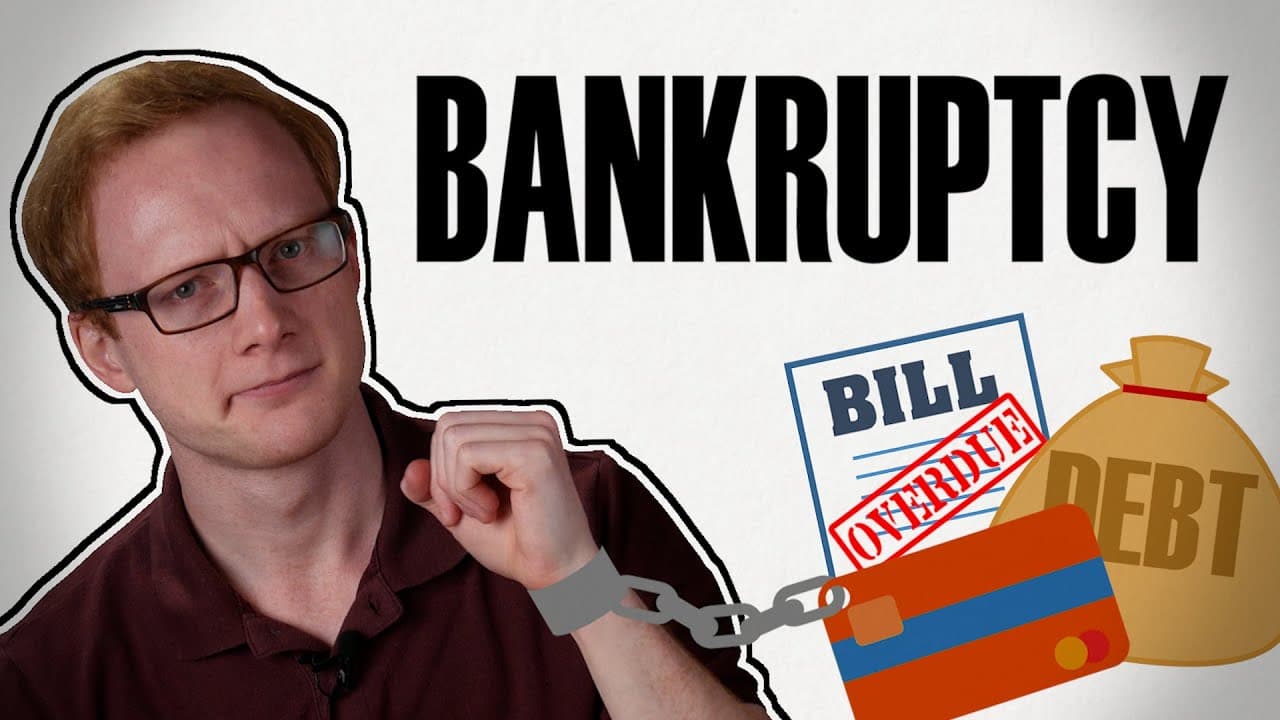
Personal bankruptcy is a legal process providing relief for people unable to pay their debts due to circumstances like medical expenses or job loss. It can occur through voluntary filing by the debtor or forced bankruptcy initiated by creditors. The two primary types in the U.S. are Chapter 7, which involves liquidation of assets, and Chapter 13, a repayment plan that protects certain assets.
Transcript
this video is sponsored by morningbrew visit the link in the description below to sign up for their daily newsletter today when it comes to personal finances bankruptcy is probably considered the worst case scenario the point at which you can no longer afford to cover your debts in the game of monopoly it's quite literally game over and that's how ... Read More
Key Insights
- ❓ Bankruptcy is often misunderstood and stigmatized, but it can be a lifeline for individuals who are unable to manage their debts.
- 😷 Medical expenses and job loss are significant contributors to bankruptcy, alongside poor financial habits.
- 🅰️ Bankruptcy is a legal process with different types, such as liquidation bankruptcy and consumer proposal, depending on the country or region.
- 😫 The bankruptcy process involves a complex set of rules, eligibility criteria, and potential consequences that should be carefully considered.
- 🥶 Bankruptcy is not a free pass to eliminate all debts, as certain types of debt, like secured loans, child support, and alimony, may still require payments.
- 💯 While bankruptcy has negative consequences, such as credit score impact and potential employment considerations, it offers a chance for financial recovery and a fresh start.
- ❓ Alternatives to bankruptcy, such as debt negotiation or consolidation loans, may be considered for individuals who are not yet insolvent.
Install to Summarize YouTube Videos and Get Transcripts
Explore YouTube Video Summarizer or Get YouTube Transcript Extractor
Questions & Answers
Q: What are some common causes of bankruptcy?
While overspending and poor financial habits contribute to bankruptcy, medical expenses and job loss are also significant factors.
Q: What is the process of declaring bankruptcy?
Bankruptcy can be involuntary (forced by creditors) or voluntary (filed by the debtor). It involves a legal status imposed by courts, with different types depending on the country, such as Chapter 7 and Chapter 13 in the United States.
Q: What assets are exempt from liquidation bankruptcy?
Liquidation bankruptcy involves the selling of assets to repay creditors, but certain assets, such as clothing, vehicles, and furniture, may be exempt depending on the jurisdiction.
Q: What are the consequences of bankruptcy?
Bankruptcy can impact one's credit score, lasting on the credit report for around seven years. This may affect future credit opportunities and potentially impact employment prospects.
Summary & Key Takeaways
-
Bankruptcy is often viewed as the worst-case scenario for personal finances, but there are various reasons people may declare bankruptcy, such as medical expenses and job loss.
-
Bankruptcy is a legal status imposed by the courts, and there are two ways it can occur: forced bankruptcy initiated by creditors and voluntary bankruptcy filed by the debtor.
-
In the United States, the most common types of personal bankruptcy are Chapter 7 (liquidation bankruptcy) and Chapter 13 (consumer proposal). Each has its own eligibility criteria and consequences.
Read in Other Languages (beta)
Share This Summary 📚
Summarize YouTube Videos and Get Video Transcripts with 1-Click
Try YouTube Summary with ChatGPT & Claude or YouTube Transcript Generator
Explore More Summaries from The Plain Bagel 📚




Summarize YouTube Videos and Get Video Transcripts with 1-Click
Try YouTube Summary with ChatGPT & Claude or YouTube Transcript Generator