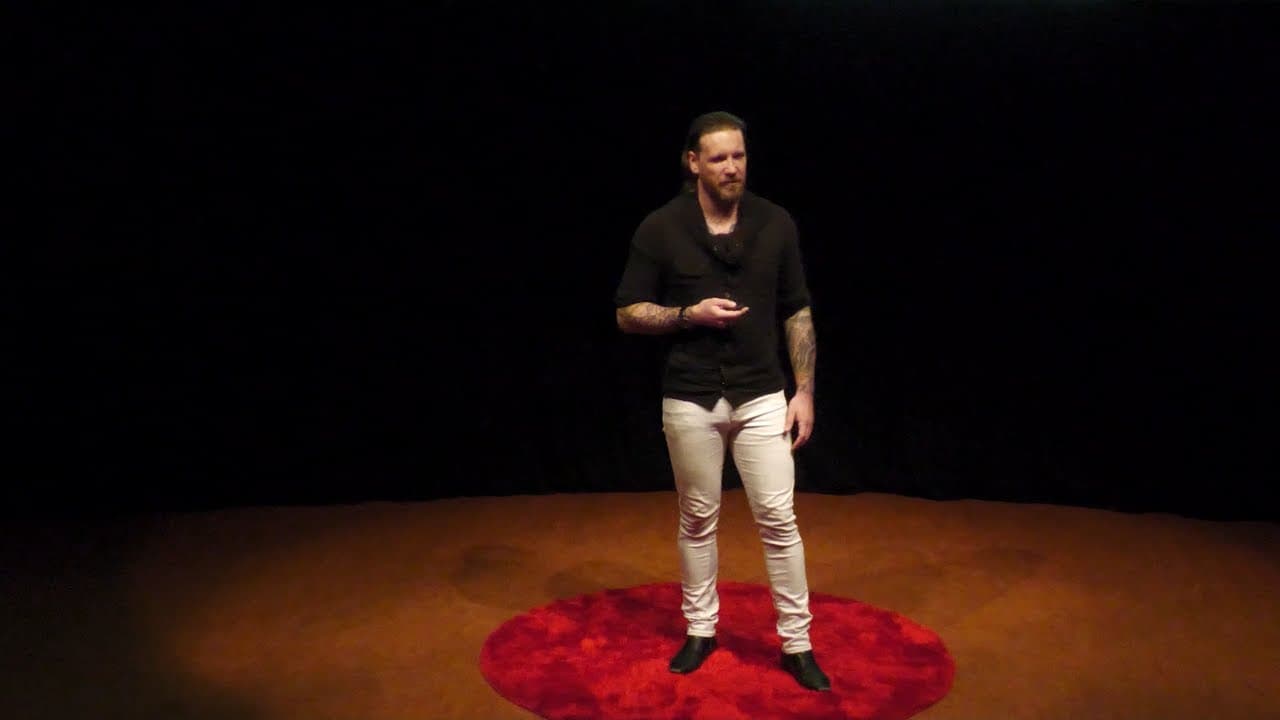
Adapting cities for lonely people | Jake Dylan Nash | TEDxWellington
TL;DR
Our cities and built environments shape our experiences and memories, and have a profound impact on our mental health and social connections.
Transcript
the built environment that you interact with every day has a fundamental impact on your mental health something we don't ever think about but it's so obvious when we say it out loud our cities Define our experiences and they shape our memories now I remember returning to Wellington after years of living elsewhere stepping off the bus to familiar so... Read More
Key Insights
- 🧑⚕️ The built environment has a fundamental impact on mental health, shaping our experiences and memories.
- ☠️ Loneliness rates are increasing globally, and well-designed cities can help combat this issue.
- 🧑⚕️ Workplaces that foster collaboration and connection contribute to better mental health.
- 👾 Urban planning and design should prioritize creating meaningful spaces that encourage social interactions and combat loneliness.
- 🥶 Public spaces that are accessible and free from economic barriers can help bridge social divides and improve mental wellbeing.
- 👮 Well-designed cities prioritize walkability and density over single-purpose zoning laws.
- 👾 Street-level businesses and shared spaces create opportunities for meaningful interactions and connections.
Install to Summarize YouTube Videos and Get Transcripts
Explore YouTube Video Summarizer or Get YouTube Transcript Extractor
Questions & Answers
Q: How does the built environment impact our mental health?
The built environment significantly affects our mental health as it shapes our experiences and memories. Well-designed cities with inviting public spaces create opportunities for social interactions and connection, which can combat loneliness and improve overall mental wellbeing.
Q: What are some statistics on loneliness and social isolation?
Loneliness rates have been rising globally, especially among young people. A Harvard study found that 61% of young people aged 18-25 reported feeling lonely. Additionally, a 2021 study reported that only 27% of men have more than four close friends, and 15% have no close friends at all.
Q: How can workplaces contribute to better mental health?
Well-designed workplaces that foster collaboration and connection can improve mental health. By creating vibrant and collaborative spaces, workplaces can inspire employees and provide opportunities for social interactions, ultimately enhancing overall wellbeing.
Q: How can urban planning and design address loneliness?
Urban planning and design can play a crucial role in addressing loneliness by creating meaningful spaces. This includes fostering walkability, incorporating street-level businesses for social interactions, and providing opportunities for strangers to connect through distractions in shared spaces.
Summary & Key Takeaways
-
The built environment, including buildings, parks, and public spaces, plays a crucial role in our mental health and wellbeing.
-
Loneliness rates are increasing worldwide, and well-designed cities can help combat this issue.
-
Design decisions in workplaces, parks, and other civic spaces can foster collaboration and connection, leading to improved mental health.
Read in Other Languages (beta)
Share This Summary 📚
Summarize YouTube Videos and Get Video Transcripts with 1-Click
Try YouTube Summary with ChatGPT & Claude or YouTube Transcript Generator
Explore More Summaries from TEDx Talks 📚






Summarize YouTube Videos and Get Video Transcripts with 1-Click
Try YouTube Summary with ChatGPT & Claude or YouTube Transcript Generator