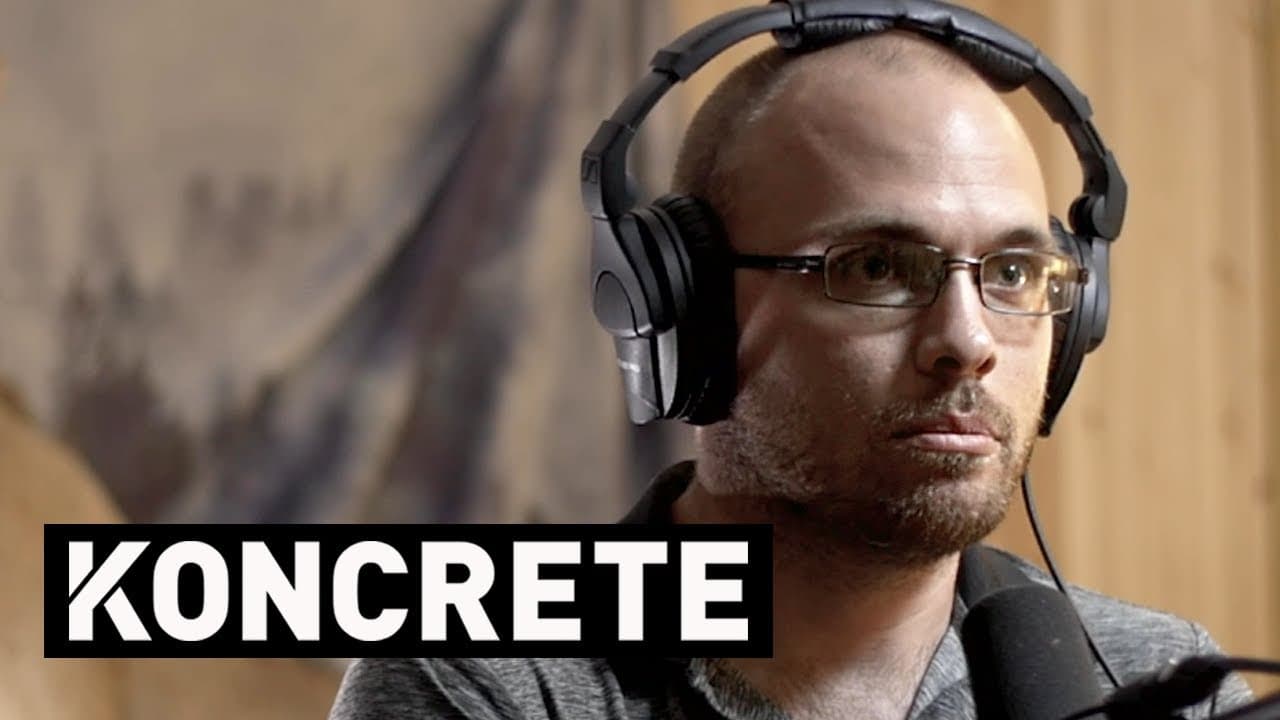
Philosophical Reasoning (How to Argue) | Nathan Crock | KONCRETE Podcast #36
TL;DR
The podcast explores reasoning, argument formation, biases, and the complexities behind truth and understanding.
Transcript
Nathan croc ladies and gentlemen we are live on the podcast with the genius himself greetings all the way all the way from what planet you come from today Zorba Zorba how far is it's beyond human comprehension well thank you for blessing us with your with your knowledge and your presence today it's an honor I really enjoy chatting with you guys I'm... Read More
Key Insights
- 💭 Humans construct their perceptions of truth from a mix of instincts, emotions, and rational thought, shaped greatly by personal experiences.
- ❓ Effective argumentation requires recognizing and adapting to the reasoning styles of others; clarity in communication is necessary for meaningful discussion.
- 👨⚖️ The podcast challenges the notion that discrimination is an absolute wrong, arguing that context and intentions matter in discussions surrounding social justice.
- 💄 Emotional biases can overshadow logical reasoning, often making it vital to approach sensitive topics with empathy and an awareness of different viewpoints.
- 💁 The historical context of philosophical discourse continues to inform modern understandings of logic and reasoning, emphasizing a need for educational evolution.
- ❓ Argument effectiveness can depend heavily on the audience’s emotional disposition; understanding their influences can improve persuasive efforts.
- 🤗 Open-mindedness in the face of conflicting opinions is crucial for intellectual development and deeper understanding of complex issues.
Install to Summarize YouTube Videos and Get Transcripts
Explore YouTube Video Summarizer or Get YouTube Transcript Extractor
Questions & Answers
Q: What are the three main influences on how people perceive truth?
The three main influences on truth perception, as discussed, are primal instincts, emotions, and rationality. Humans are often driven by survival instincts and emotions, which shape personal experiences and opinions. While traditional views prioritize rationality in forming arguments, the emotional and instinctual aspects cannot be overlooked in everyday discussions.
Q: How do biases affect argument formation?
Biases can significantly impact argument formation by influencing the premises from which conclusions are drawn. Often, premises are accepted as true without verification, and bias can cause individuals to ignore evidence that contradicts their preconceived notions. Recognizing one's biases is essential for structuring sound arguments and engaging in constructive discussions.
Q: Why is understanding someone else's reasoning method important in arguments?
Understanding another person's reasoning method is crucial for effective communication and persuasion. If one does not recognize how someone else interprets information—whether through emotions, logic, or instincts—the arguments made may fail to resonate, leading to misunderstandings and ineffective dialogues.
Q: How does the podcast address the role of emotion in discussions about discrimination?
The podcast addresses emotion's role by acknowledging that discussions about discrimination are often charged with personal feelings and experiences. When arguments are presented solely on logical grounds, they may fail to persuade those who are primarily driven by emotion. Acknowledging the emotional basis of concerns allows for a more empathetic and productive conversation.
Q: What is the importance of being open to changing one's beliefs?
Being open to changing one's beliefs is seen as essential for intellectual growth. The podcast emphasizes that holding onto beliefs without questioning them can lead to stagnation. It advocates for a willingness to learn and adapt one’s views in light of new evidence, which is crucial for meaningful discourse.
Q: How do emotional arguments compare to logical arguments in debates?
Emotional arguments can often be more persuasive than logical arguments because they appeal directly to personal experiences and feelings. While logic is essential, the podcast highlights that many people prioritize their emotional responses over logical reasoning, which can influence their beliefs and opinions significantly.
Q: What are some challenges associated with finding truth in discussions?
Some challenges in finding truth include the diversity of personal experiences, different emotional weights assigned to various topics, and the influence of biases on perception. These elements complicate discussions, making it challenging for individuals to agree on what constitutes truth, requiring patience and an open mindset.
Q: How does the podcast suggest achieving a more productive discussion about contentious topics?
The podcast suggests that productive discussions about contentious topics can be achieved by prioritizing mutual understanding and a shared quest for truth over winning arguments. By creating spaces for open dialogue and demonstrating a genuine interest in others' perspectives, participants can foster understanding and find common ground.
Summary & Key Takeaways
-
The discussion delves into the foundations of reasoning, emphasizing the historical philosophers like Aristotle and Plato, highlighting how individuals form truths based on instincts, emotions, and logic.
-
The podcast also explores the importance of understanding differing reasoning mechanisms when debating, suggesting that effective communication relies on knowing others' perspectives and biases.
-
Insights into the current issues of discrimination are presented, challenging the black-and-white perspectives on social justice, advocating for a deeper understanding of truths and individual responsibilities in discussions.
Read in Other Languages (beta)
Share This Summary 📚
Summarize YouTube Videos and Get Video Transcripts with 1-Click
Try YouTube Summary with ChatGPT & Claude or YouTube Transcript Generator
Explore More Summaries from Danny Jones Podcast 📚






Summarize YouTube Videos and Get Video Transcripts with 1-Click
Try YouTube Summary with ChatGPT & Claude or YouTube Transcript Generator