What if we paid doctors to keep people healthy? | Matthias Müllenbeck
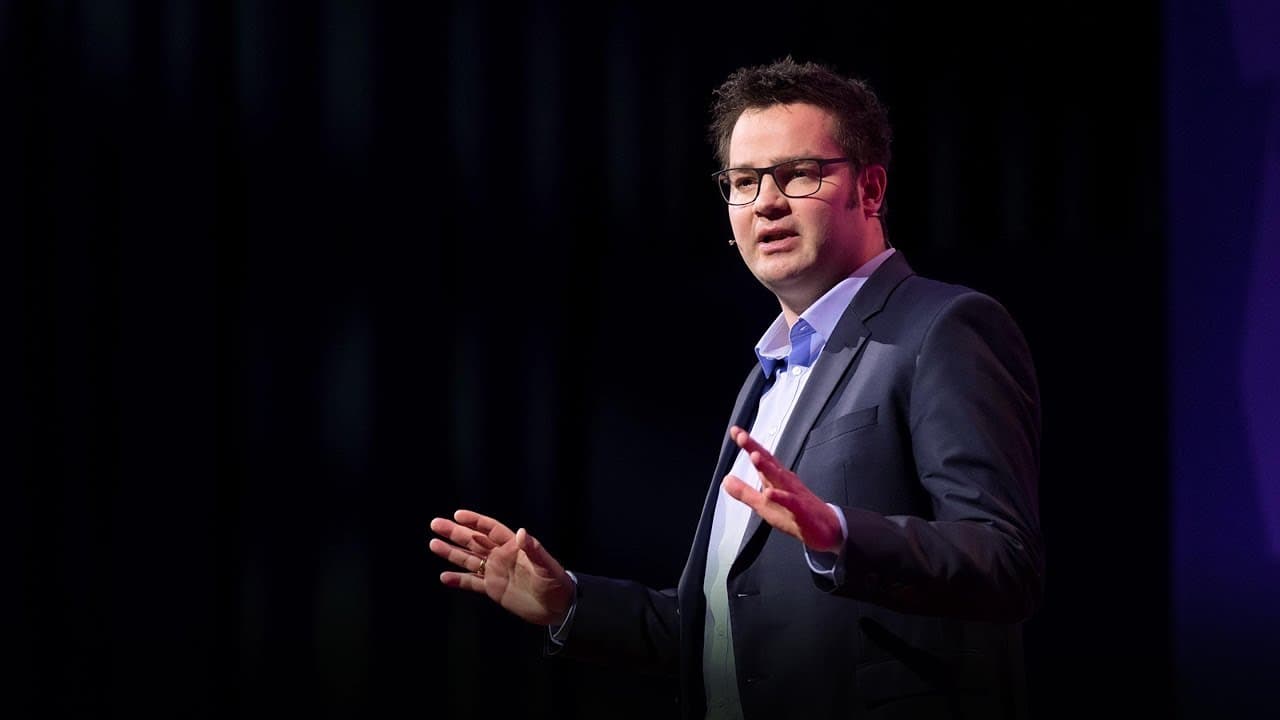
TL;DR
In a Boston hotel room, the author experiences tooth pain and later learns about the prevalence of unnecessary surgical procedures in the US healthcare system.
Transcript
It's 4am in the morning. I'm waking up in a Boston hotel room and can only think of one thing: tooth pain. One of my ceramic inlays fell off the evening before. Five hours later, I'm sitting in a dentist's chair. But instead of having a repair of my inlay so that I can get rid of my pain, the dentist pitches me on the advantages of a titanium impla... Read More
Key Insights
- 🦷 Many surgical procedures in the US are conducted even though non-surgical options could have been used. This raises concerns about overuse of surgeries and the motivations of practitioners.
- 💰 Economic incentives in healthcare systems may drive practitioners to choose high-profit surgical treatments over exploring other options. Fee-for-service reimbursement models are likely contributing to this issue.
- 🏥 The current healthcare system focuses on treating the sick rather than preventing illness and prioritizing overall health. There is a need for a fundamental redesign of the system's incentives to shift towards preventive care.
- ⚡️ A potential solution is to create a healthcare system that reimburses practitioners for keeping people healthy rather than just paying for procedures.
- 🩺 This shift would require a holistic view of health and a focus on preserving health and preventing disease. It would involve incentivizing all players in the system to prioritize keeping individuals healthy and avoid unnecessary medical interventions.
- 🔍 To effectively preserve health, individuals would need to share their health data on an ongoing basis, allowing for personalized and science-guided decisions.
- 💉 Early detection of diseases, such as cancer, can significantly impact treatment outcomes. New technologies, like blood tests for circulating tumor DNA, have the potential to make certain diseases more manageable.
- 💡 A redesign of the healthcare system to prioritize prevention and behavioral changes requires a collective effort from all actors involved, including policymakers, healthcare providers, insurers, and individuals themselves. It requires a shift in budgets, policies, and regulatory frameworks.
Install to Summarize YouTube Videos and Get Transcripts
Explore YouTube Video Summarizer or Get YouTube Transcript Extractor
Questions & Answers
Q: What is the downside of the current fee-for-service-based reimbursement system in healthcare?
The fee-for-service-based reimbursement system in healthcare incentivizes practitioners to prioritize high-profit surgical treatments instead of exploring other effective treatment options. This can lead to unnecessary surgical interventions and limited focus on preventing diseases in the first place.
Q: How can the current healthcare system be redesigned to prioritize prevention and health maintenance?
One potential solution is to shift the reimbursement system so that practitioners are incentivized to keep their patients healthy rather than simply treating them when they become sick. This would involve paying doctors, hospitals, pharmaceutical, and medical companies based on the number of days an individual stays healthy and doesn't require medical interventions.
Q: What role do individuals play in the transformation of the healthcare system?
Individuals play a crucial role in the transformation of the healthcare system by adopting healthier lifestyles and willingly sharing their health data on a constant basis. By prioritizing their own health and actively participating in preventive measures, individuals can contribute to reducing the number of people who become sick and decrease the overall cost of treating diseases.
Q: How can new technologies and data analysis contribute to preventive healthcare?
New technologies, such as AI-based data analysis and miniaturized sensor technologies, enable monitoring of individual health status and early detection of diseases. By utilizing tools like genetic sequencing, cardiometabolic profiling, and imaging-based technologies, individuals can make informed decisions with the help of healthcare professionals to minimize their risk of developing high-risk diseases. Early-stage detection, made possible by technologies like blood tests for circulating tumor DNA, can significantly improve treatment outcomes for diseases like cancer.
Summary & Key Takeaways
-
Many unnecessary surgical procedures are being performed due to the economic incentives of the healthcare system, with up to 30% of surgeries in the US being conducted without considering non-surgical alternatives.
-
A redesign of the healthcare system's incentive structure is needed to prioritize prevention and keeping individuals healthy, rather than only treating them when they are sick.
-
To achieve this, a shift towards reimbursing practitioners for keeping individuals healthy and avoiding unnecessary medical interventions is necessary, along with the use of technology and personal health data for early detection and proactive healthcare.
Read in Other Languages (beta)
Share This Summary 📚
Summarize YouTube Videos and Get Video Transcripts with 1-Click
Try YouTube Summary with ChatGPT & Claude or YouTube Transcript Generator
Explore More Summaries from TED 📚




Summarize YouTube Videos and Get Video Transcripts with 1-Click
Try YouTube Summary with ChatGPT & Claude or YouTube Transcript Generator