The 9 Stages Of Ego Development - Part 1
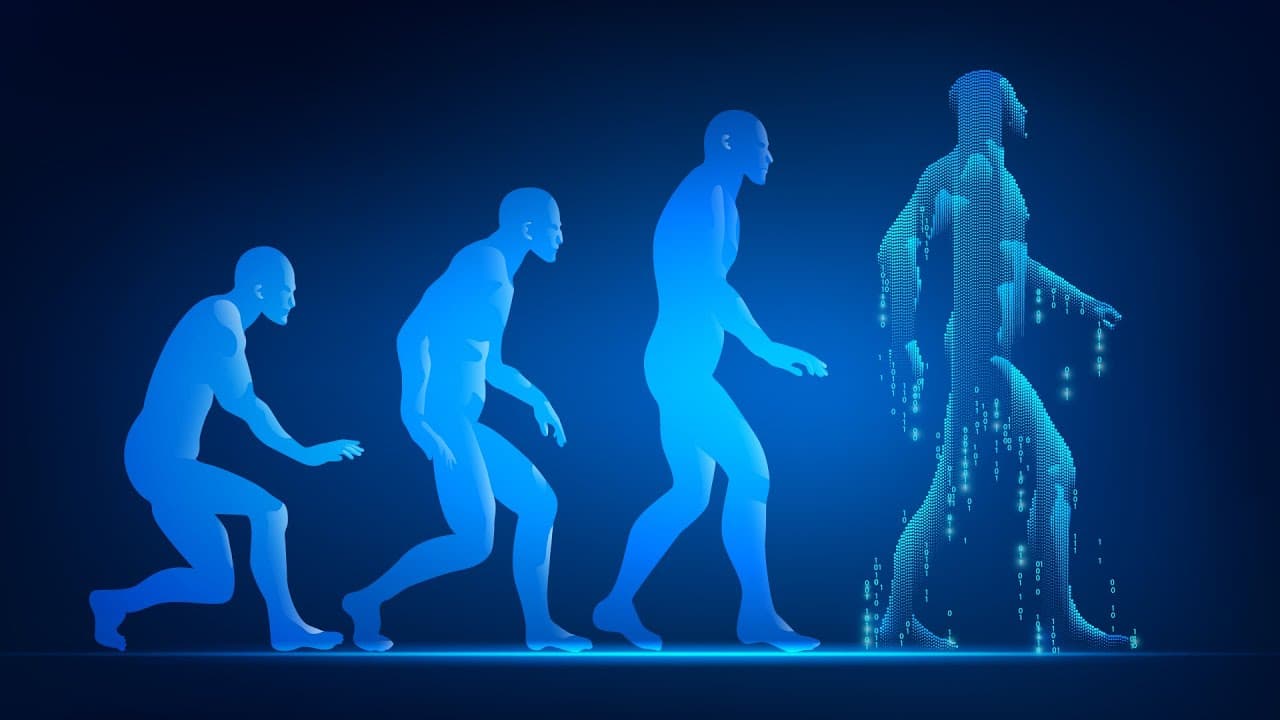
TL;DR
Exploration of nine ego development stages and their impact on self-identity.
Transcript
the nine stages of ego development part one this is a two-part series maybe there might need to be a third part but i hope to do it into a two-part series on cognitive development how the human mind evolves and grows so there's a certain sequence in which this happens which we will be describing in much detail in part one we're going to cover the p... Read More
Key Insights
- The nine stages of ego development are categorized into pre-conventional, conventional, and post-conventional stages, each representing different levels of cognitive sophistication.
- The pre-conventional stages include symbiotic, impulsive, and opportunistic, where individuals are more self-centered and less aware of others' perspectives.
- Conventional stages, such as conformist, expert, and achiever, focus on fitting into societal norms, gaining expertise, and achieving personal success.
- The post-conventional stages involve pluralist, autonomous, and construct-aware stages, where individuals embrace complexity, diversity, and self-awareness.
- Susan Cook-Greuter's model emphasizes the importance of perspective-taking and meaning-making as key functions of ego development.
- The model challenges simplistic views of ego as something to be transcended, highlighting the need for ego maturity and development.
- Developmental psychology provides empirical models to understand how self-identity evolves, with Cook-Greuter's research grounded in sentence completion tests.
- The model encourages lifelong learning and self-improvement, with higher stages involving more nuanced understanding and integration of diverse perspectives.
Install to Summarize YouTube Videos and Get Transcripts
Explore YouTube Video Summarizer or Get YouTube Transcript Extractor
Questions & Answers
Q: What are the main categories of ego development stages?
The main categories of ego development stages in Susan Cook-Greuter's model are pre-conventional, conventional, and post-conventional. Each category represents different levels of cognitive sophistication and self-awareness. The pre-conventional stages focus on self-centeredness and basic needs, the conventional stages emphasize conformity and achievement, and the post-conventional stages involve embracing complexity and diversity.
Q: How does the model view the concept of ego?
The model views the ego not as something to be transcended or eliminated but as an integral part of human development that requires maturity and growth. It emphasizes the importance of ego development in understanding self-identity and making meaning out of reality. The model suggests that most people need ego development and maturity rather than transcendence.
Q: What is the significance of perspective-taking in the model?
Perspective-taking is a key function in the model, as it reflects the mind's ability to understand and integrate different viewpoints. As individuals progress through the stages, their capacity for perspective-taking increases, allowing for more inclusive and sophisticated interpretations of reality. This ability is crucial for personal growth and understanding complex social dynamics.
Q: How does the model relate to developmental psychology?
Susan Cook-Greuter's model is grounded in developmental psychology, which studies how various aspects of the human psyche evolve over time. The model is based on empirical research using sentence completion tests to understand how self-identity evolves. It provides a framework for understanding cognitive development and the progression of self-awareness.
Q: What role does meaning-making play in ego development?
Meaning-making is a central function of the ego in the model. It involves the ego's ability to create meaning out of the inherently meaningless world. As individuals progress through the stages, their capacity for sophisticated meaning-making increases, leading to more complex and nuanced understandings of reality and self.
Q: How does the model challenge traditional views of ego?
The model challenges traditional views of the ego as something negative to be transcended. Instead, it emphasizes the importance of ego development and maturity, highlighting that most individuals require ego growth rather than transcendence. The model suggests that understanding and developing the ego is crucial for personal growth and self-actualization.
Q: What is the relationship between ego development and self-help?
Ego development is closely related to self-help, as it involves the process of self-improvement and personal growth. The model suggests that as individuals progress through the stages, they become more interested in self-knowledge, self-improvement, and understanding their own psychology. This aligns with the principles of self-help, which emphasize lifelong learning and personal development.
Q: How does the model address cultural and societal influences?
The model acknowledges that cultural and societal influences play a significant role in ego development. Individuals absorb mental categories from their culture and society, which shape their self-identity and worldview. The model emphasizes the importance of understanding these influences and developing the capacity to critically evaluate and integrate diverse perspectives as part of ego growth.
Summary & Key Takeaways
-
Susan Cook-Greuter's model of ego development outlines nine stages through which human cognition and self-identity evolve. These stages are divided into pre-conventional, conventional, and post-conventional categories, each representing increasing levels of sophistication in understanding reality and self.
-
The pre-conventional stages focus on self-centeredness and basic needs, while the conventional stages emphasize conformity, expertise, and achievement within societal norms. Post-conventional stages involve embracing complexity, diversity, and deeper self-awareness.
-
Cook-Greuter's research highlights the importance of perspective-taking and meaning-making in ego development. The model challenges the simplistic view of ego as something to be transcended, advocating for ego maturity and development as essential for personal growth.
Read in Other Languages (beta)
Share This Summary 📚
Summarize YouTube Videos and Get Video Transcripts with 1-Click
Try YouTube Summary with ChatGPT & Claude or YouTube Transcript Generator
Explore More Summaries from Actualized.org 📚





Summarize YouTube Videos and Get Video Transcripts with 1-Click
Try YouTube Summary with ChatGPT & Claude or YouTube Transcript Generator