Wolf Pack Takes on a Polar Bear - Ep. 1 | Wildlife: The Big Freeze
TL;DR
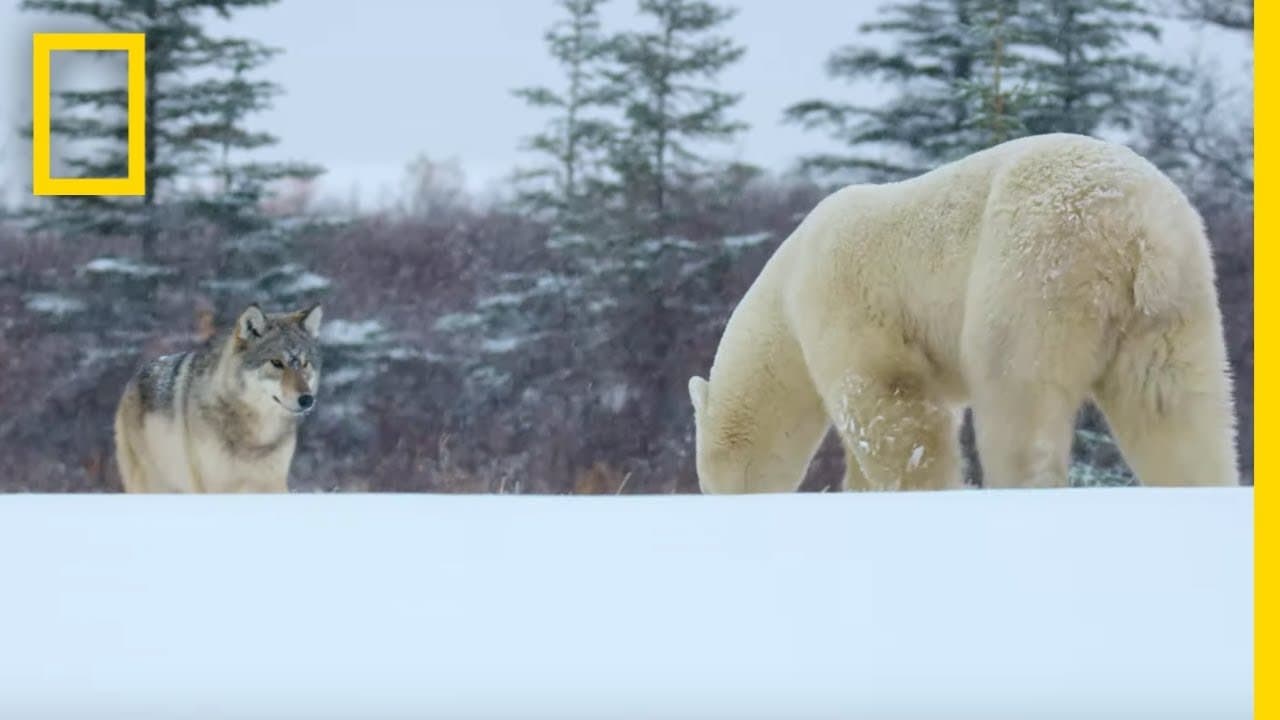
In the harsh environment of the Arctic, a pack of wolves attempts to hunt a polar bear, showcasing the delicate balance of life in this ecosystem.
Transcript
- You can go days without food, traverse unimaginable distances, endure relentless blizzards. But if you're a wolf on the edge of the Arctic, up against the biggest predator, there's one thing you can't do without... (dramatic music) The pack. (dramatic music) (wind blowing) At first glance, the Arctic feels brutally devoid of life, though a select... Read More
Key Insights
- 🐺 The Arctic is a harsh environment where animals must adapt to survive. A select group of animals, such as wolves, have found a way to thrive in this brutal landscape.
- ❄️ Sea ice plays a crucial role in the Arctic ecosystem and impacts the global climate. Like a lung, it breathes life into the region, creating a cycle that affects the entire planet.
- 🐺 Wolves in the Arctic are constantly on the move, roaming up to 1000 square miles in search of prey. They live in a harsh environment and rely on their pack for survival.
- 🐻 Polar bears, weighing up to 1500 pounds, are the apex predators of the Arctic. Despite their size and strength, they are not immune to the threat of wolves, who have been observed harassing or hunting them.
- 🎥 Filming wolves in the Arctic is challenging, as they are constantly on the move and can be elusive. Wildlife filmmakers must rely on luck and careful approach to capture these fascinating animals on camera.
- 🦌 Moose are one of the favorite food sources for wolf packs in the Arctic. Moose are impressive animals, resembling giant horses on steroids.
- 🐺 Wolf packs are led by the alpha female and male, who make decisions about hunting and breeding. Living in packs allows wolves to support injured pack members and provides a better chance of survival.
- 💔 Wolves have faced significant population decline in North America due to centuries of extermination. Protecting and conserving these animals is important for maintaining the balance in the wild and ensuring their chance to recover.
Install to Summarize YouTube Videos and Get Transcripts
Explore YouTube Video Summarizer or Get YouTube Transcript Extractor
Questions & Answers
Q: How does sea ice affect the Arctic ecosystem beyond providing a habitat for animals like polar bears?
Sea ice serves as a vital ecological feature in the Arctic. It influences ocean currents, acts as a platform for hunting, and helps regulate the climate by reflecting sunlight back into space.
Q: What challenges do wolves face in the Arctic?
Wolves in the Arctic must cover vast distances, up to 1000 square miles, in search of prey. The harsh environment and scarcity of food make their survival a constant struggle.
Q: Why is it significant to capture the interaction between a wolf pack and a polar bear on film?
Filming a wolf pack attempting to hunt a polar bear is groundbreaking as it provides valuable insights into the delicate balance and interactions within the Arctic ecosystem. This behavior has never been filmed before.
Q: How does the presence of wolves impact prey populations in the Arctic?
Wolves play a crucial role in regulating prey populations. They help prevent overpopulation, ensuring the sustainability of the ecosystem. Prey species, such as moose, rely on the presence of wolves to maintain their own populations in check.
Q: What are the different roles of the alpha male and alpha female in a wolf pack?
Both the alpha male and alpha female lead the wolf pack. The alpha male is typically responsible for making decisions during a hunt, while the alpha female is the only female in the pack to breed and give birth to new pups.
Q: Why did the filmmakers need to approach the sleeping wolf pack with caution?
Wolves have a highly developed sense of smell, which is about 100 times better than humans. Approaching them from downwind reduces the chance of alerting the pack and allows the filmmakers to observe them closely without being detected.
Q: Why are wolves essential for the health of wild places?
Wolves are keystone species, meaning their presence is vital for maintaining the balance and health of ecosystems. By regulating prey populations, they prevent overgrazing and help maintain biodiversity.
Q: How has human activity affected the wolf population in North America?
The wolf population in North America has drastically declined due to centuries of systematic extermination. With only around 80,000 remaining, it is crucial to give these wolves a chance to recover and thrive in their natural habitats.
Summary & Key Takeaways
-
The Arctic is a challenging environment, and a pack of wolves and a polar bear must compete for survival.
-
Sea ice plays a crucial role in the Arctic ecosystem, impacting the climate worldwide.
-
While searching for the wolf pack, filmmakers encounter other wildlife, such as moose, offering a glimpse into the interconnectedness of the ecosystem.
Read in Other Languages (beta)
Share This Summary 📚
Summarize YouTube Videos and Get Video Transcripts with 1-Click
Try YouTube Summary with ChatGPT & Claude or YouTube Transcript Generator
Explore More Summaries from National Geographic 📚



Summarize YouTube Videos and Get Video Transcripts with 1-Click
Try YouTube Summary with ChatGPT & Claude or YouTube Transcript Generator