How Do You Know When it’s Time To Reverse Diet?
TL;DR
Reverse dieting is crucial for effective long-term fat loss.
Transcript
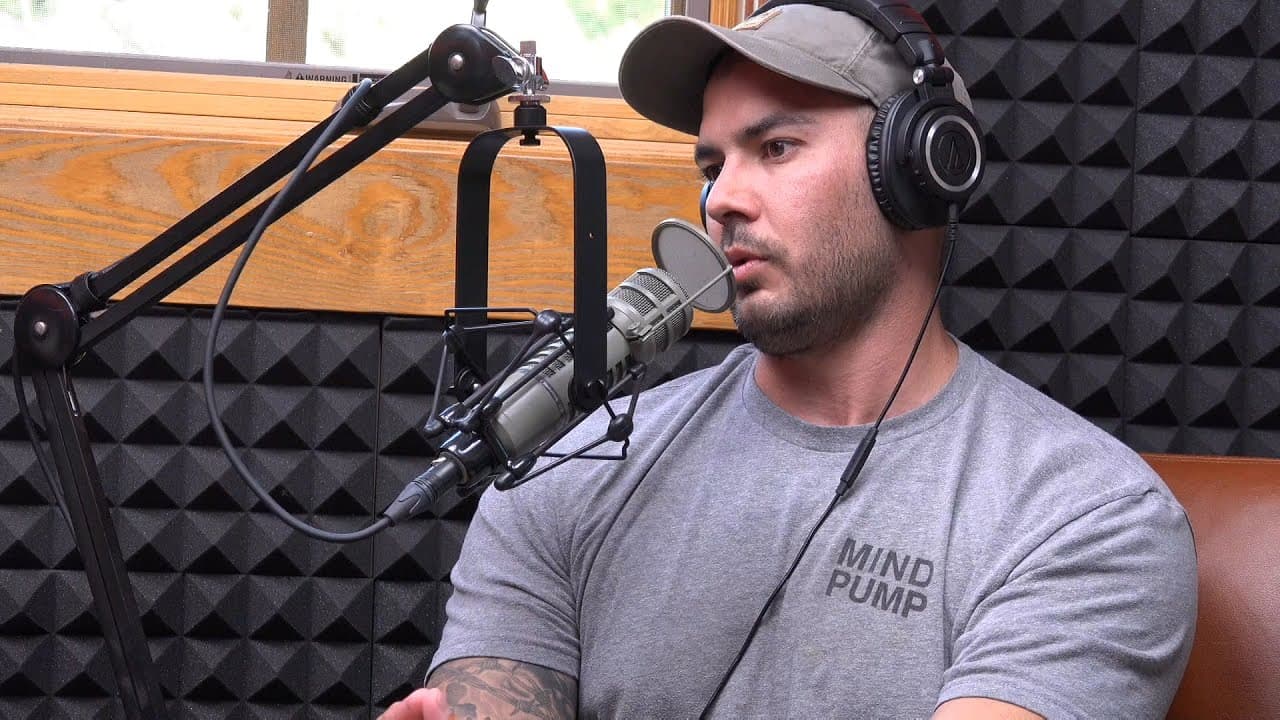
next question is from prag man 2012 how do you know when it's time to reverse diet that's a really good question so so for the audience that's listening right now a reverse diet literally means you're slowly increasing your calories with the intention of speeding up your metabolism building muscle and getting to a point to where then you can cut ca... Read More
Key Insights
- Reverse dieting involves gradually increasing calorie intake to boost metabolism, aiding in muscle building and long-term fat loss.
- Most people benefit from starting with a reverse diet, especially if they haven't been consistent with their eating habits.
- Clients often have slowed metabolisms due to previous dieting attempts, making reverse dieting a beneficial first step.
- The goal of reverse dieting is to reach a point where reducing calorie intake becomes easier and more effective.
- Reverse dieting requires patience as it sets the stage for future fat loss rather than immediate weight reduction.
- Trainers should focus on increasing clients' calorie intake while ensuring those calories contribute to muscle building rather than fat storage.
- A faster metabolism, achieved through reverse dieting, offers significant advantages in today's food-abundant environment.
- Reverse dieting should be paired with a muscle-building workout program for optimal results.
Install to Summarize YouTube Videos and Get Transcripts
Explore YouTube Video Summarizer or Get YouTube Transcript Extractor
Questions & Answers
Q: What is reverse dieting?
Reverse dieting is the process of gradually increasing one's calorie intake with the goal of boosting metabolism, building muscle, and setting the stage for more effective long-term fat loss. It involves careful planning to ensure that the additional calories are used for muscle building rather than fat storage.
Q: Why should most people start with reverse dieting?
Most people should start with reverse dieting because they often have inconsistent eating habits or have slowed their metabolism through previous dieting attempts. By increasing calorie intake gradually, individuals can improve their metabolic rate, making it easier to achieve sustainable fat loss in the future.
Q: How does reverse dieting benefit those with slowed metabolisms?
Reverse dieting benefits individuals with slowed metabolisms by gradually increasing their calorie intake, which helps to boost metabolic rate. This process allows the body to burn more calories efficiently, setting the stage for more effective fat loss when calorie intake is eventually reduced.
Q: What is the ultimate goal of reverse dieting?
The ultimate goal of reverse dieting is to reach a point where reducing calorie intake becomes easier and more effective for long-term fat loss. By increasing metabolism and muscle mass, individuals are better positioned to lose weight sustainably when they eventually cut calories.
Q: How does reverse dieting differ from traditional dieting?
Reverse dieting differs from traditional dieting in that it focuses on gradually increasing calorie intake to boost metabolism rather than immediately reducing calories for weight loss. This approach prepares the body for more effective and sustainable fat loss in the long term.
Q: Why is patience important in reverse dieting?
Patience is crucial in reverse dieting because the process takes time to set the foundation for future fat loss. The primary focus is on improving metabolic rate and muscle mass, which may not result in immediate weight loss but will lead to more sustainable results in the future.
Q: What role does a workout program play in reverse dieting?
A workout program plays a vital role in reverse dieting by ensuring that the additional calories consumed are used for muscle building rather than fat storage. A well-designed exercise regimen complements the reverse dieting process, leading to improved metabolism and overall fitness outcomes.
Q: What are the advantages of a faster metabolism in today's environment?
A faster metabolism offers significant advantages in today's environment, where food is abundant and easily accessible. Individuals with a higher metabolic rate can burn more calories, making it easier to maintain a healthy weight and achieve long-term fat loss goals, even in a calorie-rich setting.
Summary & Key Takeaways
-
Reverse dieting is a strategy that involves gradually increasing calorie intake to enhance metabolism and facilitate long-term fat loss. It is especially beneficial for those who have inconsistent eating habits or have slowed their metabolism through previous dieting attempts.
-
The process of reverse dieting sets the foundation for effective future weight loss by making it easier to reduce calorie intake when necessary. It requires patience, as the primary focus is on preparing the body for sustained fat loss rather than immediate results.
-
Trainers should guide clients through reverse dieting by increasing calorie intake while ensuring those calories contribute to muscle building. This approach, combined with a suitable workout program, can significantly improve metabolic rate and overall fitness outcomes.
Read in Other Languages (beta)
Share This Summary 📚
Summarize YouTube Videos and Get Video Transcripts with 1-Click
Try YouTube Summary with ChatGPT & Claude or YouTube Transcript Generator
Explore More Summaries from Mind Pump Show 📚



Summarize YouTube Videos and Get Video Transcripts with 1-Click
Try YouTube Summary with ChatGPT & Claude or YouTube Transcript Generator