Top 10 BEST Villain Tropes in Sci-Fi and Fantasy
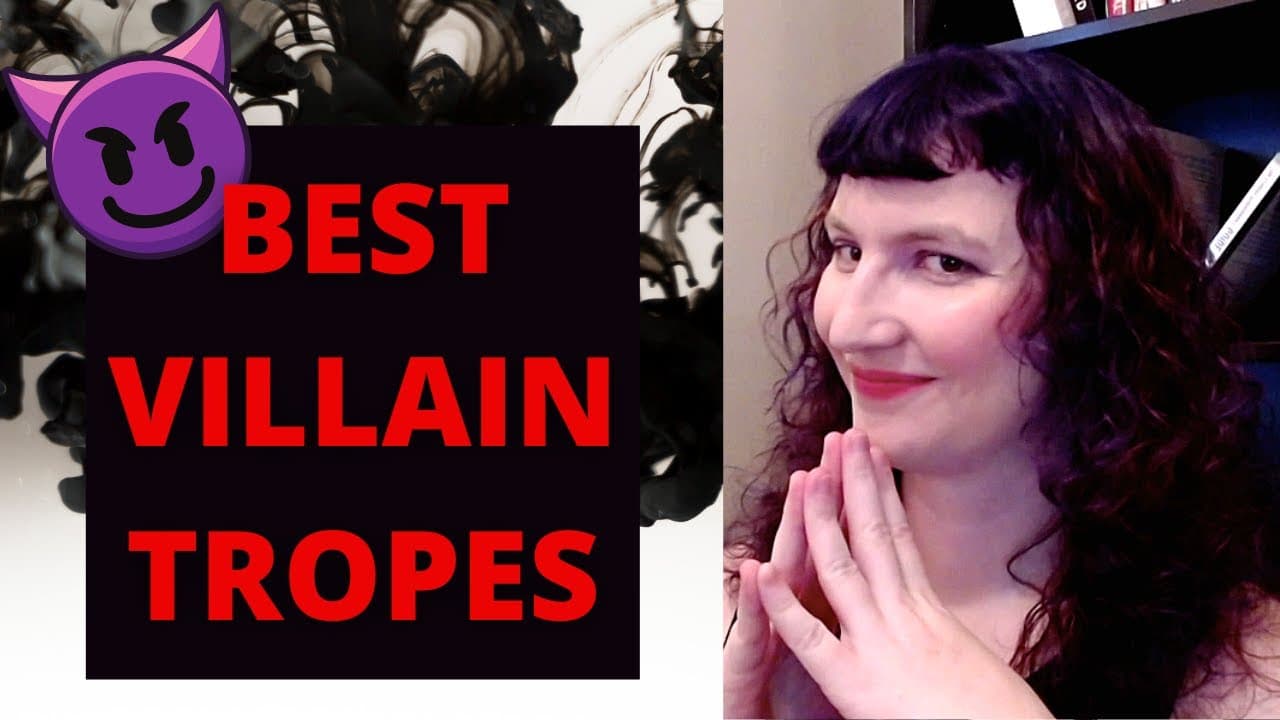
TL;DR
Exploration of favorite villain tropes in sci-fi and fantasy genres.
Transcript
good morning lovelies today we are breaking down my top 10 favorite villain tropes these are the tropes that are almost guaranteed to get me to love a villain or love to hate them before we get started remember to subscribe to the channel if you haven't already for more videos on science fiction fantasy and horror through a feminist lens al... Read More
Key Insights
- Funny villains add unexpected layers to their character, making them more engaging and multifaceted.
- Friendly villains can be more terrifying as they often trick others into believing they are allies.
- Competent villains present a real threat, challenging heroes and adding depth to the narrative.
- Villains in healthy relationships show a different side, offering depth and sometimes resulting in villain power couples.
- Pure evil villains are straightforward and unapologetically bad, making them easy to hate.
- Villains who believe they are the good guys often provide compelling arguments and moral complexity.
- Villains with honor codes introduce nuanced morality, as their principles differ from societal norms.
- Human henchmen in villainous roles add complexity, portraying them as average people with relatable motivations.
Install to Summarize YouTube Videos and Get Transcripts
Explore YouTube Video Summarizer or Get YouTube Transcript Extractor
Questions & Answers
Q: Why are funny villains considered appealing?
Funny villains are appealing because they add an unexpected layer to their character, making them more engaging. Humor in villains often contrasts with their malicious intentions, creating a multifaceted personality that captivates audiences. This complexity can make them more relatable and memorable, enhancing the overall narrative.
Q: What makes friendly villains terrifying?
Friendly villains are terrifying because they can deceive others into believing they are allies. This facade of amiability hides their true intentions, making them unpredictable and dangerous. Their ability to manipulate emotions and relationships adds a psychological layer to their villainy, intensifying the threat they pose to protagonists.
Q: How does competence enhance a villain's threat level?
Competence enhances a villain's threat level by making them a formidable opponent to the heroes. A smart and capable villain challenges the protagonists, requiring them to strategize and overcome significant obstacles. This dynamic creates tension and suspense, as the heroes must outwit or outmaneuver a credible adversary.
Q: Why are villains in healthy relationships interesting?
Villains in healthy relationships are interesting because they reveal a different, often softer side of the antagonist. These relationships can humanize villains, showing that they are capable of love and commitment. This duality adds depth to their character, making them more relatable and complex, and sometimes results in intriguing villain power couples.
Q: What is the appeal of pure evil villains?
Pure evil villains are appealing because of their straightforward nature. They are unapologetically bad, which makes them easy to understand and hate. This simplicity contrasts with more complex characters, offering a clear antagonist for the heroes to oppose. Their unambiguous villainy can drive the narrative and galvanize audience emotions.
Q: How do villains who think they're good add complexity?
Villains who think they're good add complexity by providing moral ambiguity. They often have compelling reasons for their actions, making audiences question the nature of good and evil. This trope challenges protagonists and viewers to consider different perspectives, enriching the narrative with debates on morality and ethics.
Q: What role do villains with honor codes play in storytelling?
Villains with honor codes play a role in storytelling by introducing nuanced morality. Their adherence to a personal code, even if it conflicts with societal norms, adds depth to their character. This complexity makes them intriguing, as their actions are guided by principles that can sometimes align with, or oppose, the protagonist's values.
Q: Why is the portrayal of human henchmen significant?
The portrayal of human henchmen is significant because it adds complexity to the concept of villainy. By showing henchmen as average people with relatable motivations, narratives explore the gray areas between good and evil. This humanization challenges the black-and-white portrayal of villains, offering a more nuanced understanding of their roles.
Summary & Key Takeaways
-
This content explores various villain tropes in sci-fi and fantasy, highlighting elements that make villains compelling. Tropes include humorous villains, those with honor, and villains who think they are the heroes. These aspects add depth and complexity, making narratives more engaging.
-
The analysis delves into the characteristics of villains, such as competence and relationships, which contribute to their appeal. It emphasizes the importance of layered personalities and moral ambiguity in creating memorable antagonists that challenge protagonists effectively.
-
By examining different villain tropes, the content underscores the role of villains in storytelling. It discusses how these tropes, like pure evil or human henchmen, influence audience perception and enhance the narrative's richness, providing a comprehensive view of villainy in fiction.
Read in Other Languages (beta)
Share This Summary 📚
Summarize YouTube Videos and Get Video Transcripts with 1-Click
Try YouTube Summary with ChatGPT & Claude or YouTube Transcript Generator