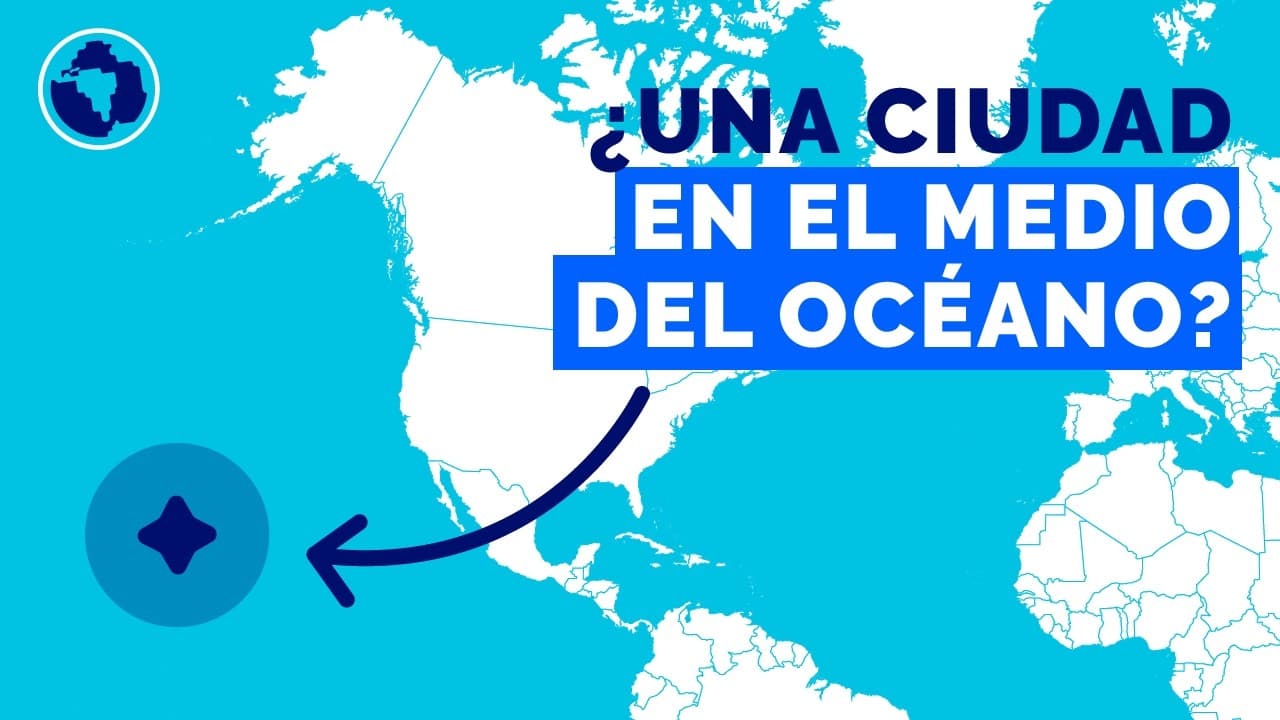
Honolulu, the most isolated big city on the planet
TL;DR
Honolulu is the most isolated major city, yet densely populated.
Transcript
It is a popular tourist destination and home to many people. However, there is no other major city that is as isolated in the entire world as Honolulu. Why do so many people decide to live there? Why do the rest of the Hawaiian Islands have much less population? We invite you to find out why this unique isolation is due. In 1959, Hawaii became a st... Read More
Key Insights
- Honolulu is the most isolated major city globally, yet it has a high population density due to its strategic location and natural advantages.
- Hawaii became a U.S. state in 1959, making the U.S. a bicontinental country with territories in both America and Oceania.
- Oahu, despite being smaller, hosts nearly 70% of Hawaii's population due to its natural port, infrastructure, and tourism.
- Pearl Harbor's strategic importance stems from its natural port and historical military significance during World War II.
- Oahu's growth is fueled by tourism and its airport, facilitating accessibility and economic opportunities.
- Other Hawaiian islands have low population densities due to factors like volcanic activity, climatic diversity, and historical events.
- Maui has moderate population density due to its fertile valley and tourist attractions, despite climatic challenges.
- Niihau and Kahoolawe remain largely unpopulated due to private ownership and historical military use, respectively.
Install to Summarize YouTube Videos and Get Transcripts
Explore YouTube Video Summarizer or Get YouTube Transcript Extractor
Questions & Answers
Q: Why is Honolulu considered the most isolated major city?
Honolulu is considered the most isolated major city because it is located in the middle of the Pacific Ocean, far from other large urban centers. Its closest city with a similar population is San Francisco, which is over 3,800 kilometers away, highlighting its geographical isolation.
Q: What factors contribute to Oahu's high population density?
Oahu's high population density is due to its strategic natural port at Pearl Harbor, historical significance, and infrastructure investments. The island also benefits from tourism, facilitated by its airport, which attracts visitors and supports economic growth, making it an attractive place for settlement.
Q: How does Hawaii's statehood affect its geographical status?
Hawaii's statehood in 1959 made the United States a bicontinental country, with territories in both America and Oceania. This unique geographical status enhances Hawaii's strategic importance and contributes to its cultural and political significance within the U.S.
Q: What challenges do other Hawaiian islands face in terms of population density?
Other Hawaiian islands face challenges like active volcanoes, climatic diversity, and historical events that limit their population density. For example, the island of Hawaii has active volcanoes and diverse climates, while Niihau and Kahoolawe are affected by private ownership and past military use, respectively.
Q: How did Pearl Harbor influence Oahu's development?
Pearl Harbor's natural port and strategic location made it a key military base during World War II, attracting infrastructure investments and population growth. Its historical significance and military relevance contributed to Oahu's development as a densely populated and economically vibrant island.
Q: Why is tourism significant for Oahu's economy?
Tourism is significant for Oahu's economy due to its paradisiacal beaches and cultural attractions, drawing millions of visitors annually. The development of the airport and expansion of commercial flights have made the island more accessible, boosting tourism and supporting economic growth and job creation.
Q: What historical events affected Molokai's population growth?
Molokai's population growth was affected by the arrival of foreign workers in the 19th century, which led to a leprosy outbreak. A colony was established to isolate leprosy patients, and the practice continued until 1969. This historical event, along with limited water availability, hindered population growth.
Q: How does climatic diversity impact Maui's population distribution?
Maui's climatic diversity, with rainfall varying from 250 to 10,000 millimeters annually, impacts its population distribution. While the fertile valley supports settlements and tourism, the Haleakala volcano occupies much of the island, limiting habitable areas and contributing to moderate population density compared to Oahu.
Summary & Key Takeaways
-
Honolulu, the most isolated major city on Earth, thrives due to its strategic location and natural resources, attracting a high population density despite its remote setting.
-
Hawaii's unique geographical and historical context, including its statehood in 1959 and the presence of Pearl Harbor, contributes to its significance as a U.S. territory in Oceania.
-
The Hawaiian archipelago's population distribution is uneven, with Oahu being densely populated due to its natural advantages, while other islands face challenges like volcanic activity and private ownership.
Read in Other Languages (beta)
Share This Summary 📚
Summarize YouTube Videos and Get Video Transcripts with 1-Click
Try YouTube Summary with ChatGPT & Claude or YouTube Transcript Generator
Explore More Summaries from Un Mundo Inmenso 📚



Summarize YouTube Videos and Get Video Transcripts with 1-Click
Try YouTube Summary with ChatGPT & Claude or YouTube Transcript Generator