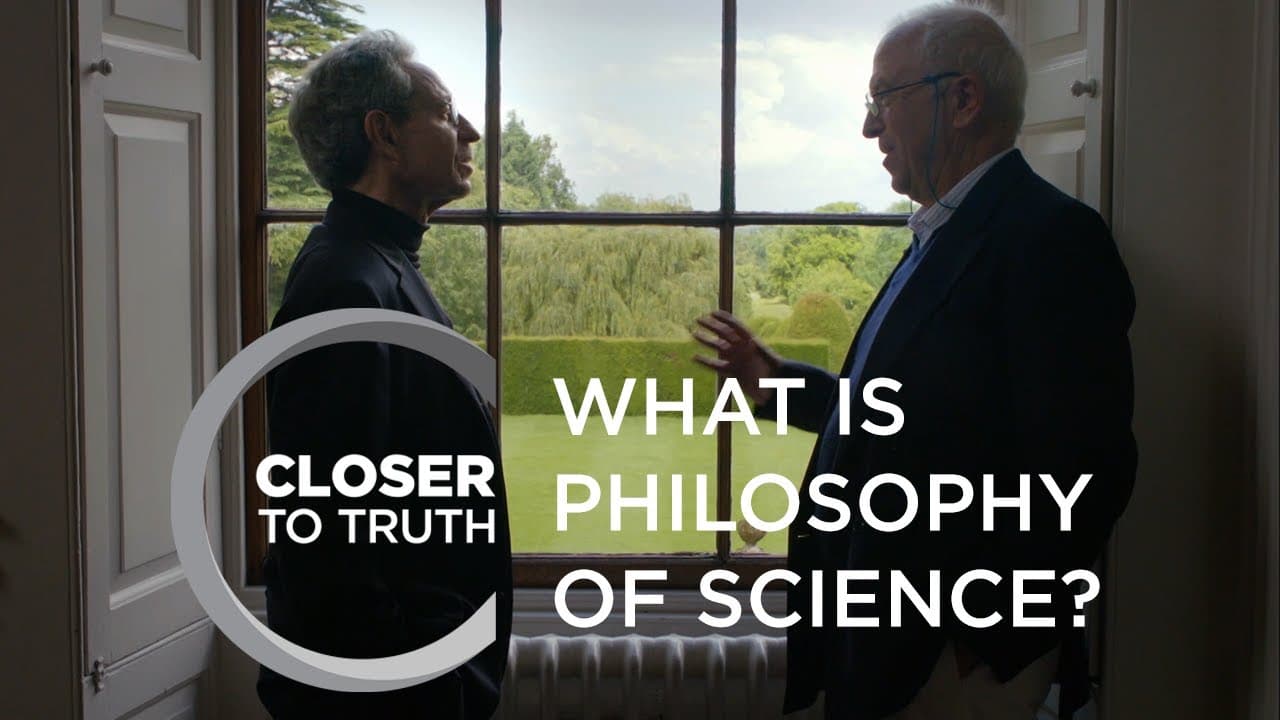
What is Philosophy of Science? | Episode 1611 | Closer To Truth
TL;DR
Philosophy plays a crucial role in science by clarifying questions, expanding the scope of inquiry, enhancing experimental design, setting boundaries, and keeping science closer to truth.
Transcript
I love science because science accesses truths. To me, trained in science, it seems obvious that science is external, objective and absolute. But some disagree, claiming that science is internal, subjective and relative. Moreover, can science address all questions? Or are there limits to science? What is science, anyway? Science itself. An idea? A ... Read More
Key Insights
- 🌍 Science is often seen as external, objective, and absolute, while some argue that it is internal, subjective, and relative.
- 🤔 Science may have limitations in addressing all questions, and understanding its essence requires the study of philosophy of science.
- 📚 Philosophy of science can clarify, strengthen, and enrich scientific theories and explanations.
- 🤝 There is a seamless interaction between philosophy and science, with philosophers playing a role in clarifying and connecting scientific concepts.
- 💡 Philosophy helps science make sense by posing fundamental questions, such as the nature of reality and the mind's representation of it.
- 🔍 Philosophical investigations help scientists clarify their research questions and provide a deeper understanding of the subjects they study.
- 💡 Philosophy plays a critical role in formulating theories, interpreting evidence, and developing a deeper understanding of the world.
- 🔬 While science is crucial, philosophy can provide valuable insights by clarifying questions, expanding the scope of inquiry, and defining the boundaries between science and other disciplines.
Install to Summarize YouTube Videos and Get Transcripts
Explore YouTube Video Summarizer or Get YouTube Transcript Extractor
Questions & Answers
Q: What role does philosophy play in clarifying scientific explanations?
Philosophy helps evaluate scientific explanations and questions the terms and scope of scientific explanations, ensuring clarity and precision.
Q: How does philosophy set boundaries in science?
Philosophy distinguishes between scientific and non-scientific fields or claims, helping to prevent the infiltration of pseudo-science into scientific research and discourse.
Q: How does philosophy expand the scope of scientific inquiry?
By addressing philosophical questions about the nature of reality, language, society, and more, philosophy provides a foundation for exploring new frontiers and expanding the reach of scientific research.
Q: Why is the relationship between science and morality important?
Neuroscience and other scientific advancements blur the boundaries between science and morality, making careful philosophical analysis essential to understand the ethical implications and navigate the limits of scientific inquiry.
Answer: Philosophy engages with questions that science alone cannot answer, such as the values and ethics underlying scientific research or the implications of scientific advancements for society. It provides critical analysis, clarity, and guidance to scientific endeavors, helping keep science on the path towards truth.
Summary & Key Takeaways
-
Science needs philosophy to clarify and evaluate scientific explanations of the world.
-
Philosophy helps define the boundaries of science and distinguish it from pseudo-science.
-
Philosophical questions, such as the nature of causation or the ontology of society, deepen understanding in scientific fields.
-
Philosophy of science expands the scope of scientific inquiry and enhances experimental design.
-
While science is the primary tool for discovering truths, philosophy can support and guide scientific endeavors, keeping them closer to truth.
Read in Other Languages (beta)
Share This Summary 📚
Summarize YouTube Videos and Get Video Transcripts with 1-Click
Try YouTube Summary with ChatGPT & Claude or YouTube Transcript Generator
Explore More Summaries from Closer To Truth 📚


Summarize YouTube Videos and Get Video Transcripts with 1-Click
Try YouTube Summary with ChatGPT & Claude or YouTube Transcript Generator