How Has Tokyo Transformed for the 2020 Olympics?
TL;DR
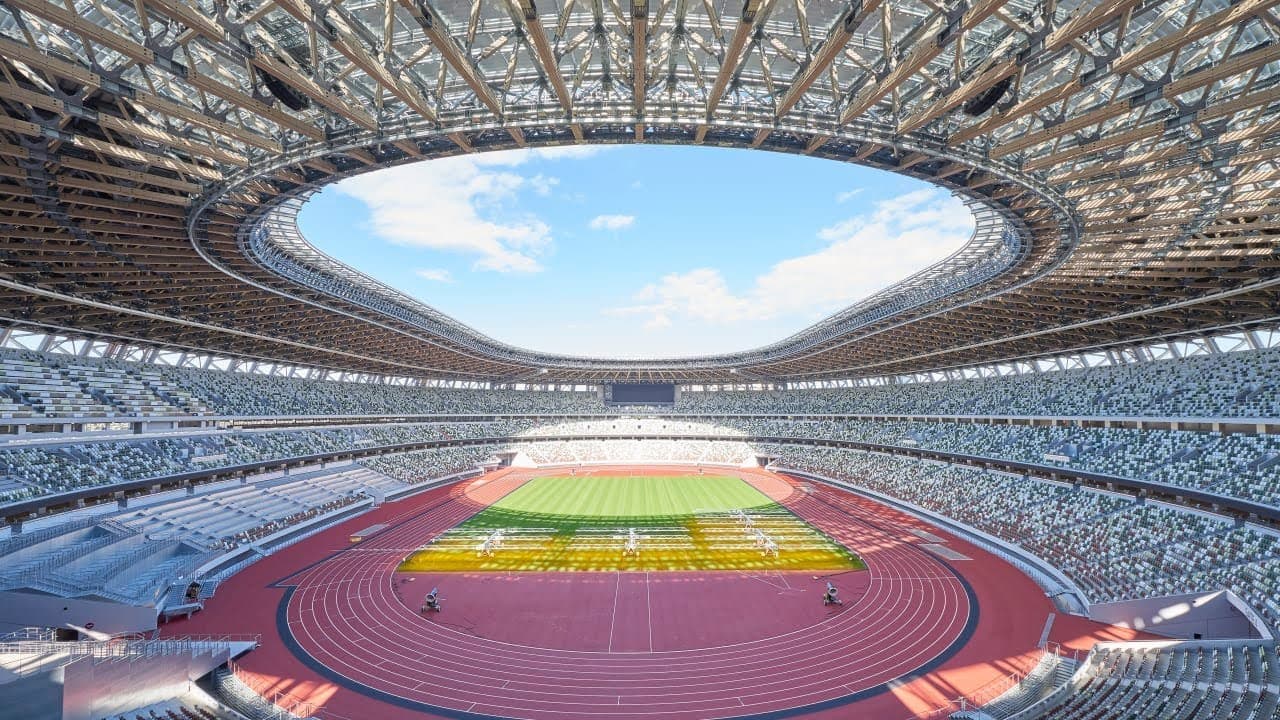
Tokyo has redefined itself for the 2020 Olympics by prioritising sustainability and embracing innovative construction techniques. Key venues, like the National Stadium and Aquatic Center, highlight a blend of modern architecture and traditional craftsmanship, ensuring efficient energy use and the integration of legacy structures. This transformation aims to exceed the high standards set during the iconic 1964 Games.
Transcript
after almost seven years of preparation Tokyo is about to light the torch for the 2020 Olympic Games the city's first hosting of the event in 1964 was described as a turning point for Japan that set a dazzlingly high bar so now that the 2020 games are almost upon us what is Tokyo done to ensure it reaches let alone surpasses its own sky high standa... Read More
Key Insights
- 😥 Tokyo's hosting of the 1964 Olympics was a turning point for Japan's rapid economic growth, and the city aims to surpass its own high standards with the 2020 games.
- 👾 Sustainability and environmental consciousness are central themes for the 2020 games, with self-generating energy sources and the reuse of legacy buildings.
- 👶 The new venues, such as the National Stadium, Tokyo Aquatic Center, Ariake Gymnastic Center, Yoyogi National Stadium, and Nippon Budokan, showcase innovative architecture and construction techniques.
- 👹 Tokyo has focused on incorporating traditional Japanese craftsmanship, materials, and design elements in the new venues.
- 💪 The city has successfully completed the venues well in advance, controlled the budget, and early ticket sales have been strong.
Install to Summarize YouTube Videos and Get Transcripts
Explore YouTube Video Summarizer or Get YouTube Transcript Extractor
Questions & Answers
Q: How did Tokyo's 1964 Olympic Games impact the country's growth?
Tokyo's successful 1964 hosting of the Olympics played a significant role in Japan's rapid economic growth by showcasing its innovative technology and ability to transform the city.
Q: How are sustainability and environmental consciousness incorporated in the 2020 games?
The 2020 games prioritize sustainability by using self-generating energy sources, such as solar power systems and geothermal heating and cooling technology. Legacy buildings are also being repurposed to minimize waste.
Q: What are some key architectural features of the new venues?
The new National Stadium, designed by Kengo kuma, features a blend of steel and latticed wood gathered from all 47 of Japan's prefectures. The Tokyo Aquatic Center has a 7,000-ton, 10-meter thick roof, and the Ariake Gymnastic Center has the world's largest arch timber roof.
Q: What is the significance of Yoyogi National Stadium and Nippon Budokan?
Yoyogi National Stadium, with its suspension roof and unique architecture, blends contemporary Western aesthetics with traditional Japanese styling. Nippon Budokan, known for martial arts and as a music venue, will host judo and karate events, featuring a roof shaped like Mount Fuji and octagonal design based on a Buddhist temple.
Summary & Key Takeaways
-
Tokyo is hosting its second Olympics after setting high standards in 1964, and it has transformed itself to surpass those standards.
-
Sustainability and environmental consciousness are key themes in the 2020 games, with self-generating energy sources and the reuse of legacy buildings.
-
The new venues, including the National Stadium, Tokyo Aquatic Center, Ariake Gymnastic Center, Yoyogi National Stadium, and Nippon Budokan, showcase modern architecture and innovative construction methods.
Read in Other Languages (beta)
Share This Summary 📚
Summarize YouTube Videos and Get Video Transcripts with 1-Click
Try YouTube Summary with ChatGPT & Claude or YouTube Transcript Generator
Explore More Summaries from The B1M 📚


Summarize YouTube Videos and Get Video Transcripts with 1-Click
Try YouTube Summary with ChatGPT & Claude or YouTube Transcript Generator