How to Manage Fatigue from a Caloric Deficit
TL;DR
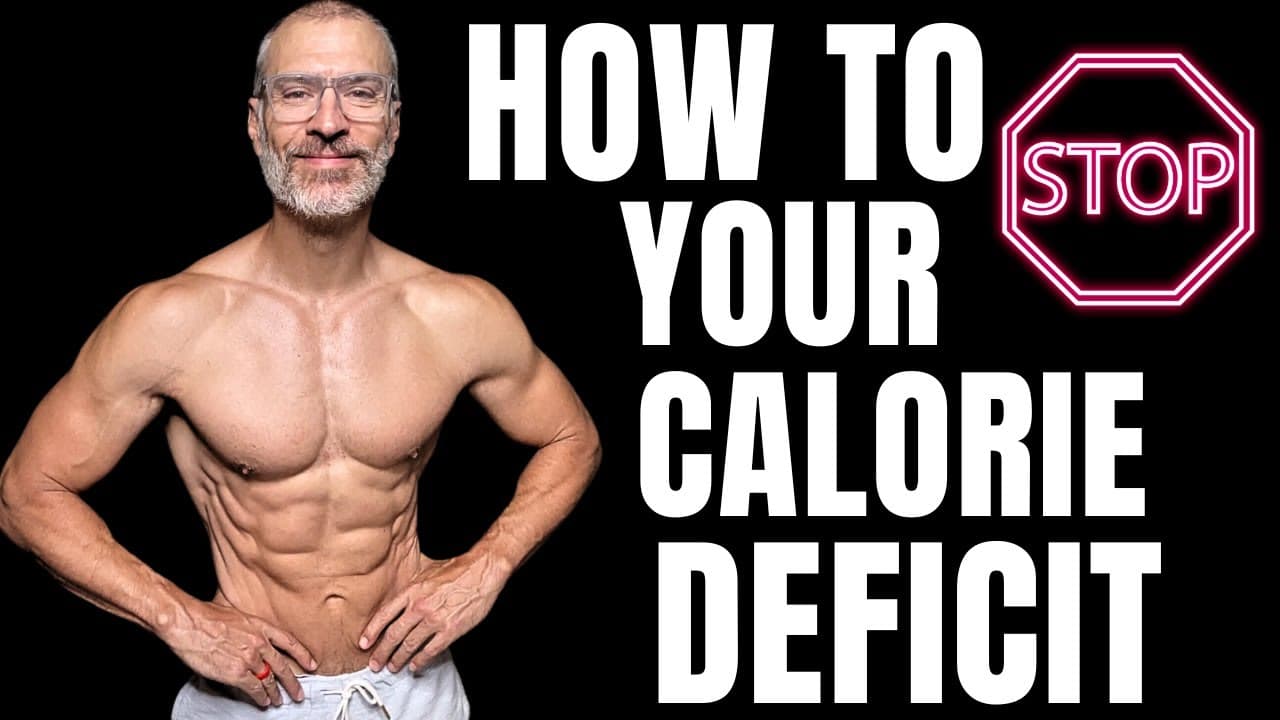
To manage fatigue from a caloric deficit, implement strategic diet breaks by increasing calories to maintenance levels and reducing cardio by 50%. This approach restores energy, digestion, and sleep while also allowing for better hormone balance and muscle fullness. If you still want to lose weight afterward, you can consider transitioning to a reverse diet.
Transcript
in today's video what to do if you're tired of your caloric deficit hey guys what's going on this is Paul Rella from Prof physique.com and today is an exciting day our 90-day transformation challenge the summer sculpt is complete and everyone right now has a couple days to get their final submissions they're 90 days before and afters so I'm going t... Read More
Key Insights
- 💪 The 90-day transformation challenge, "Summer Sculpt," has concluded, and participants are submitting their before and after photos for a chance to win a $25,000 prize. The competition is intense, and the winners will be announced soon.
- 💡 When the caloric deficit becomes too fatiguing, there are strategies to maintain fat loss and continue building muscle. One approach is implementing diet breaks, where calories are increased to maintenance levels and cardio is reduced by 50%. This helps restore digestion, energy, and sleep while allowing for the inclusion of previously restricted foods.
- 💤 Taking a diet break also gives the body a chance to recover and can improve hormone levels and muscle fullness. The longer the diet breaks are given, the more successful the weight loss is likely to be, as shown in the Matador study, where intermittent diet breaks resulted in more fat loss, muscle retention, and better weight maintenance.
- ♂️ If you're tired of the caloric deficit but still have a few pounds to lose, a reverse diet can be a viable option. Starting with a diet break at maintenance calories, individuals can gradually increase their caloric intake while focusing less on fat loss. This approach allows for a reprieve while still working towards weight loss goals.
- 🌎 An early 2024 transformation challenge is planned to take place worldwide, and it will offer $25,000 in prizes. The challenge will include nutrition, training, and support, with options for guided coaching provided. Stay tuned for further details and updates on the challenge.
- 💯 Giving yourself strategic breaks and changing approaches can help sustain fat loss efforts in the long term. It's essential not to give up when the caloric deficit becomes challenging or fatiguing. By understanding and implementing strategies like diet breaks and reverse dieting, you can find a balance that allows for maintenance, recovery, and continued progress towards your goals.
Install to Summarize YouTube Videos and Get Transcripts
Explore YouTube Video Summarizer or Get YouTube Transcript Extractor
Questions & Answers
Q: How can I continue making progress in my fat loss journey when the caloric deficit becomes too fatiguing?
When the caloric deficit becomes overwhelming, implementing strategic diet breaks can be beneficial. By bringing calories up to maintenance and reducing cardio, you can restore energy levels and give your body a break from the constant deficit.
Q: What is the value of taking a diet break during fat loss?
Diet breaks have multiple benefits, including restoring digestion and energy levels, introducing variety into the diet, improving sleep, and potentially reactivating hormones that aid in fat loss. Additionally, muscle fullness and performance in the gym may improve during this break.
Q: How long should a diet break last?
A diet break typically lasts for about a week, during which calories are increased by 25 to 30% and cardio output is reduced by 50%. After the break, you can assess how you feel and decide if you're ready to return to the fat loss macros and cardio routine or if you need another week of recovery.
Q: What is a reverse diet and how does it work?
A reverse diet involves gradually increasing calorie intake from the maintenance level after a diet break. It allows for a transition away from focusing solely on fat loss and gives you the opportunity to assess whether you still want to lose those last few pounds or maintain your current physique.
Summary & Key Takeaways
-
When the caloric deficit becomes fatiguing, it's important to have a strategy in place to sustain fat loss for long periods of time.
-
Implementing diet breaks, where calories are brought up to maintenance and cardio is reduced, can restore energy, digestion, and improve sleep while still supporting fat loss.
-
A reverse diet can be considered after a diet break, gradually increasing calories from the maintenance level while deciding if further fat loss is desired.
Read in Other Languages (beta)
Share This Summary 📚
Summarize YouTube Videos and Get Video Transcripts with 1-Click
Try YouTube Summary with ChatGPT & Claude or YouTube Transcript Generator
Explore More Summaries from Paul Revelia 📚


Summarize YouTube Videos and Get Video Transcripts with 1-Click
Try YouTube Summary with ChatGPT & Claude or YouTube Transcript Generator