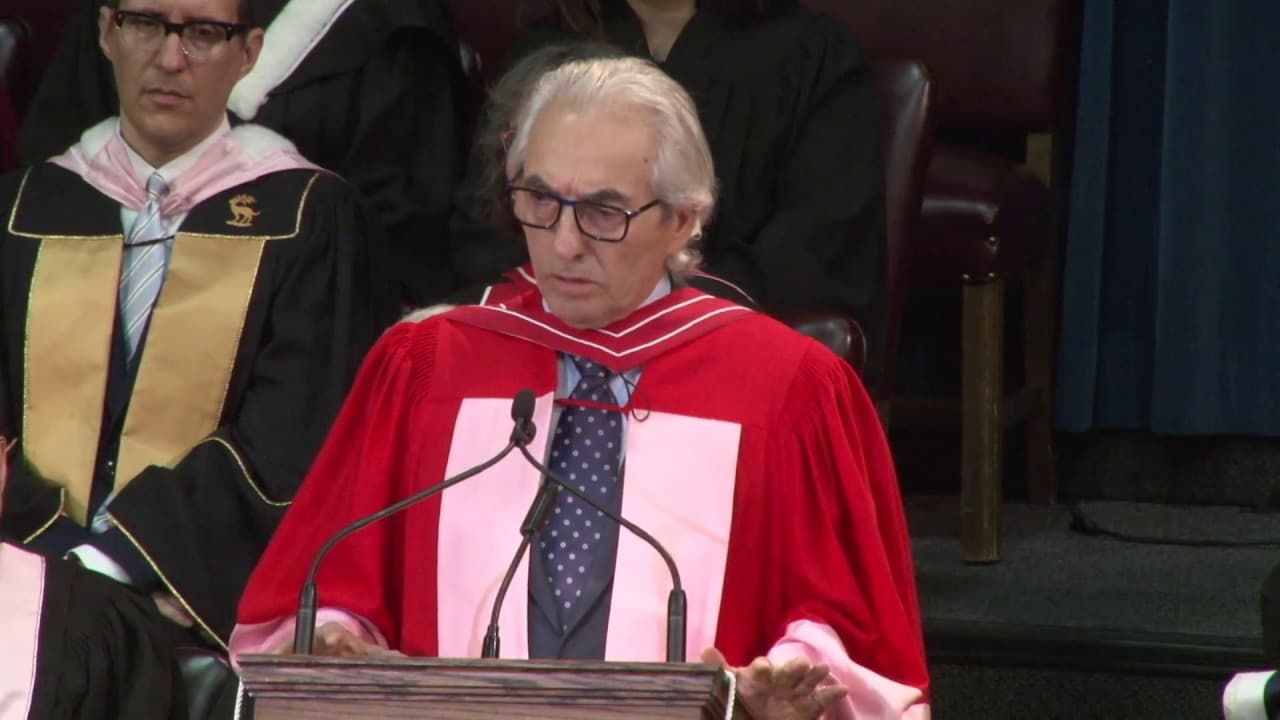
Phil Fontaine, Convocation 2017 Honorary Degree recipient
TL;DR
The speaker discusses the need for Parliament to formally recognize Indigenous peoples as founding peoples of Canada for true reconciliation.
Transcript
mr. Chancellor mr. president platform dignitaries including and especially my good friends justice Iacobucci and mr. ray Bob ray family and loved ones graduates it is with deepest appreciation and thanks to the University of Toronto that I stand before you you've been exceedingly kind and generous to me University of Toronto for this recognition yo... Read More
Key Insights
- 🪡 University of Toronto bestowed recognition to the speaker for their contributions, highlighting the need for greater awareness of Indigenous contributions to Canada.
- 🗯️ The speaker's mother's accomplishments and resilience offer inspiration and demonstrate progress in Indigenous rights.
- 👯 The speaker advocates for the recognition of Indigenous peoples as founding peoples of Canada, emphasizing the need for a complete and accurate narrative of Canada's origin story.
- ❓ Recognition of Indigenous contributions would promote genuine reconciliation and celebrate a shared Canadian identity.
Install to Summarize YouTube Videos and Get Transcripts
Explore YouTube Video Summarizer or Get YouTube Transcript Extractor
Questions & Answers
Q: How did the speaker's upbringing in poverty and attending residential schools shape their perspective on reconciliation?
The speaker acknowledges the challenges they faced but highlights the resilience and strength of their family. They do not solely attribute their hardships to the residential school system but also emphasize their belief in family and fitting into the larger society.
Q: What is the significance of the speaker's mother being the first Indian woman to be elected to a bank council in Canada?
The speaker's mother's achievement highlights her resilience and determination. It also demonstrates the progress made in Indigenous rights as it was only in 1962 that Indian women were allowed to run for public office in Indigenous communities.
Q: Why does the speaker believe that recognizing Indigenous peoples as founding peoples of Canada is the ultimate expression of reconciliation?
The speaker argues that recognizing Indigenous peoples as founding peoples corrects the historical narrative and includes their contributions in the shared story of all Canadians. It also opens up possibilities for genuine and lasting reconciliation.
Q: How can individuals support the cause of recognizing Indigenous peoples as founding peoples of Canada?
Individuals can visit the recognitiontoaction.ca website to sign a petition, donate, connect their networks, and advocate for recognition to their Members of Parliament and government officials.
Summary & Key Takeaways
-
The speaker shares their personal background, growing up in poverty and attending residential schools, but emphasizes their resilience and strength as a family.
-
They highlight the importance of recognizing the contributions of Indigenous peoples to the formation of Canada and how it has been overlooked in the country's history.
-
The speaker proposes that true reconciliation can only be achieved if Parliament formally recognizes Indigenous peoples as one of the three founding peoples of Canada.
Read in Other Languages (beta)
Share This Summary 📚
Summarize YouTube Videos and Get Video Transcripts with 1-Click
Try YouTube Summary with ChatGPT & Claude or YouTube Transcript Generator
Explore More Summaries from University of Toronto 📚


Summarize YouTube Videos and Get Video Transcripts with 1-Click
Try YouTube Summary with ChatGPT & Claude or YouTube Transcript Generator