Utah Dinos | National Geographic
TL;DR
Paleontologists in Utah desert discover fossilized remains of Plesiosaurus, shedding light on prehistoric marine life.
Transcript
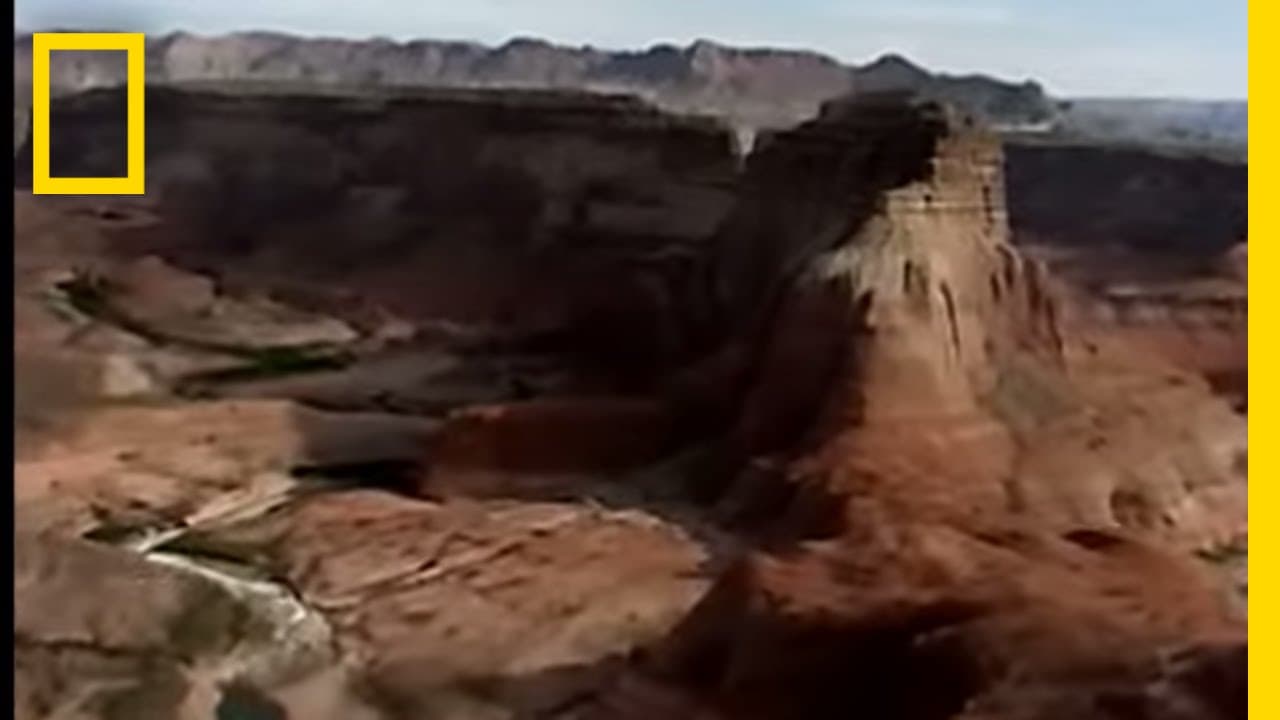
perhaps at first glance you wouldn't expect to find evidence of marine animals in the Arid deserts and canyons of Southern Utah but a team of paleontologists believe it's the perfect spot led by National Geographic grantee Barry Albright they're searching the remote sections of grand staircase Escalante National Monument for the fossilized remains ... Read More
Key Insights
- 🤢 Southern Utah's desert was once submerged under an inland sea, as evidenced by fossilized marine remains embedded in rock formations.
- 😒 Paleontologists use guide fossils like ammonites to pinpoint rock layers likely to contain desired fossils during their search.
- ☠️ Discovering Plesiosaurus bone fragments provides valuable information on the morphology and lifestyle of these prehistoric marine reptiles.
- 😘 The challenging terrain and low fossil density in the region make fossil discoveries a rare but rewarding feat for the dedicated paleontology team.
- 🙂 Understanding the geological history of regions like Southern Utah sheds light on Earth's past environments and the evolution of ancient species.
- 🫤 Fossilized remains in Utah deserts offer a glimpse into a world dominated by dinosaurs and marine reptiles around 93 million years ago.
- 🍝 Studying ancient marine life contributes to our knowledge of past ecosystems, highlighting the diversity and interactions among prehistoric species.
Install to Summarize YouTube Videos and Get Transcripts
Explore YouTube Video Summarizer or Get YouTube Transcript Extractor
Questions & Answers
Q: Why are paleontologists searching for marine fossils in the Utah desert?
Despite being a desert now, 93 million years ago, the region was covered by a vast inland sea, making it an ideal location for discovering marine fossils.
Q: How do guide fossils like ammonites assist paleontologists in their search?
Guide fossils like ammonites help paleontologists identify specific rock layers conducive to finding target fossils, directing their search efforts effectively.
Q: What challenges do paleontologists face while searching for fossils in the remote Utah desert?
The team endures rugged terrain, limited fossil concentrations, and days of relentless searching before discovering any significant fossil remnants.
Q: How do the discoveries of Plesiosaurus bones contribute to our understanding of prehistoric marine life?
Analyzing Plesiosaurus bones helps researchers reconstruct the anatomy and behaviors of these ancient marine reptiles, offering insights into past ecosystems and biodiversity.
Summary & Key Takeaways
-
A team of paleontologists in Southern Utah searches for the fossilized remains of a large marine reptile, Plesiosaurus, that swam in the region 93 million years ago.
-
The area was once part of a vast inland sea, now evidenced by exposed rock formations and a gray layer known as Tropic Shale containing fossils of ancient sea life.
-
Through meticulous searching and fossil analysis, the team uncovers bone fragments of a Plesiosaurus, providing valuable insights into prehistoric marine ecosystems.
Read in Other Languages (beta)
Share This Summary 📚
Summarize YouTube Videos and Get Video Transcripts with 1-Click
Try YouTube Summary with ChatGPT & Claude or YouTube Transcript Generator
Explore More Summaries from National Geographic 📚



Summarize YouTube Videos and Get Video Transcripts with 1-Click
Try YouTube Summary with ChatGPT & Claude or YouTube Transcript Generator