44 Brutal Truths I Wish I Knew at 24
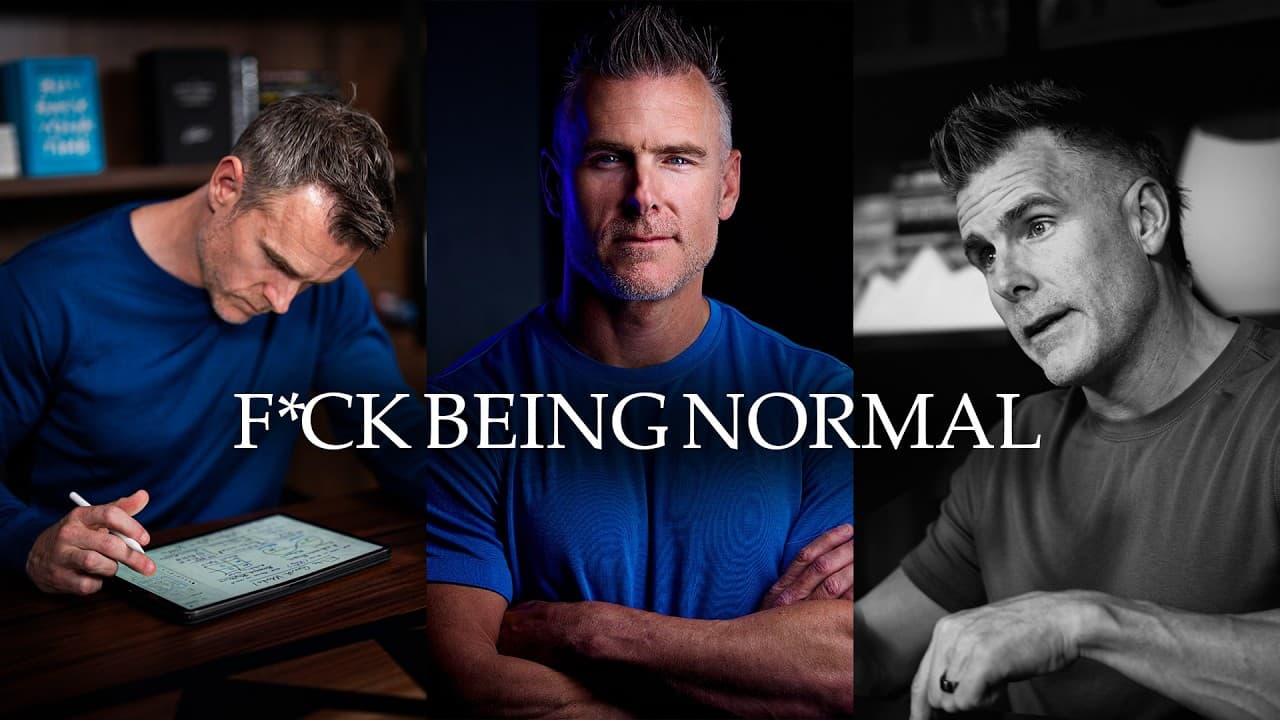
TL;DR
Advice for personal success and growth from a 44-year-old perspective.
Transcript
recording this right now I'm 44 years old but if I had to go back and give my 24-year-old self some advice on becoming successful even faster here's what I would say number one true humility isn't about diminishing yourself it's about elevating others I meet people sometimes and I give them a compliment and they go oh yeah but I actually suck at th... Read More
Key Insights
- True humility involves elevating others rather than diminishing oneself, fostering better relationships and opportunities.
- Adversity is essential for growth; a smooth journey doesn't build strength or resilience.
- Discipline and consistency can resolve most problems, emphasizing the importance of routine and perseverance.
- Trust your instincts about people and situations; red flags should not be ignored.
- Being unattached to outcomes prevents others from controlling your emotions and happiness.
- Your insecurities make you unique; sharing them can resonate and connect with others.
- Success is often born from past struggles, using pain as a catalyst for growth.
- Language shapes commitment; avoid words like 'could' and 'would' to foster a more decisive mindset.
Install to Summarize YouTube Videos and Get Transcripts
Explore YouTube Video Summarizer or Get YouTube Transcript Extractor
Questions & Answers
Q: What is true humility according to the speaker?
True humility, as described by the speaker, involves elevating others instead of diminishing oneself. It means acknowledging one's achievements while giving credit to those who helped along the way. This approach fosters better relationships and opportunities, as it reflects confidence and appreciation rather than false modesty.
Q: How does the speaker view adversity?
The speaker views adversity as an essential component of growth and strength. He uses the metaphor of a sailor to illustrate that a smooth sea doesn't create strong sailors. Facing challenges and learning to navigate through them builds resilience and capability, which are crucial for personal and professional development.
Q: Why is discipline important according to the speaker?
Discipline is highlighted as a key factor in resolving most problems. The speaker emphasizes that consistency in actions, such as going to the gym regularly, can significantly improve one's life. Building a 'discipline muscle' leads to better habits and outcomes, making it a foundational element for success.
Q: What does the speaker say about trusting instincts?
The speaker advises trusting one's instincts, especially when it comes to identifying red flags in people or situations. He stresses that ignoring these gut feelings can lead to negative outcomes. Recognizing and acting on these instincts helps in making better decisions and avoiding potential pitfalls.
Q: How does the speaker suggest dealing with insecurities?
The speaker suggests embracing insecurities as they are what make an individual unique. By sharing these vulnerabilities, one can connect with others who resonate with similar feelings. This openness can transform perceived weaknesses into strengths, fostering deeper connections and personal growth.
Q: What role does language play in shaping one's future?
Language is crucial in shaping commitment and mindset. The speaker advises against using words like 'could' and 'would,' as they imply a lack of commitment. Instead, decisive language reflects a stronger resolve and clearer intentions, which can lead to more successful outcomes.
Q: What is the significance of being unattached to outcomes?
Being unattached to outcomes is important as it prevents others from controlling one's emotions and happiness. The speaker suggests that detachment allows for freedom and creativity, enabling individuals to engage in life without being overly influenced by external expectations or pressures.
Q: Why does the speaker emphasize the importance of boundaries?
Boundaries are emphasized as essential for maintaining personal energy and well-being. The speaker advises expressing preferences and limits, understanding that others' discomfort with these boundaries is not one's problem. Setting boundaries helps in protecting one's mental and emotional space, leading to healthier relationships and personal fulfillment.
Summary & Key Takeaways
-
The speaker, at 44, shares advice with his younger self, emphasizing humility, discipline, and trusting instincts. He discusses the importance of adversity, consistency, and the power of language in shaping one's future.
-
Key themes include personal growth, the value of uniqueness, and the role of past struggles in shaping current success. He advises on the importance of being unattached to outcomes and the impact of insecurities.
-
The content encourages embracing discomfort for growth, focusing on fulfillment over happiness, and surrounding oneself with challenging individuals. It highlights the significance of boundaries, overcoming fear, and the pitfalls of perfectionism.
Read in Other Languages (beta)
Share This Summary 📚
Summarize YouTube Videos and Get Video Transcripts with 1-Click
Try YouTube Summary with ChatGPT & Claude or YouTube Transcript Generator
Explore More Summaries from Dan Martell 📚





Summarize YouTube Videos and Get Video Transcripts with 1-Click
Try YouTube Summary with ChatGPT & Claude or YouTube Transcript Generator