What Did the Nurse Testify About Patient Care at Mount Carmel?
TL;DR
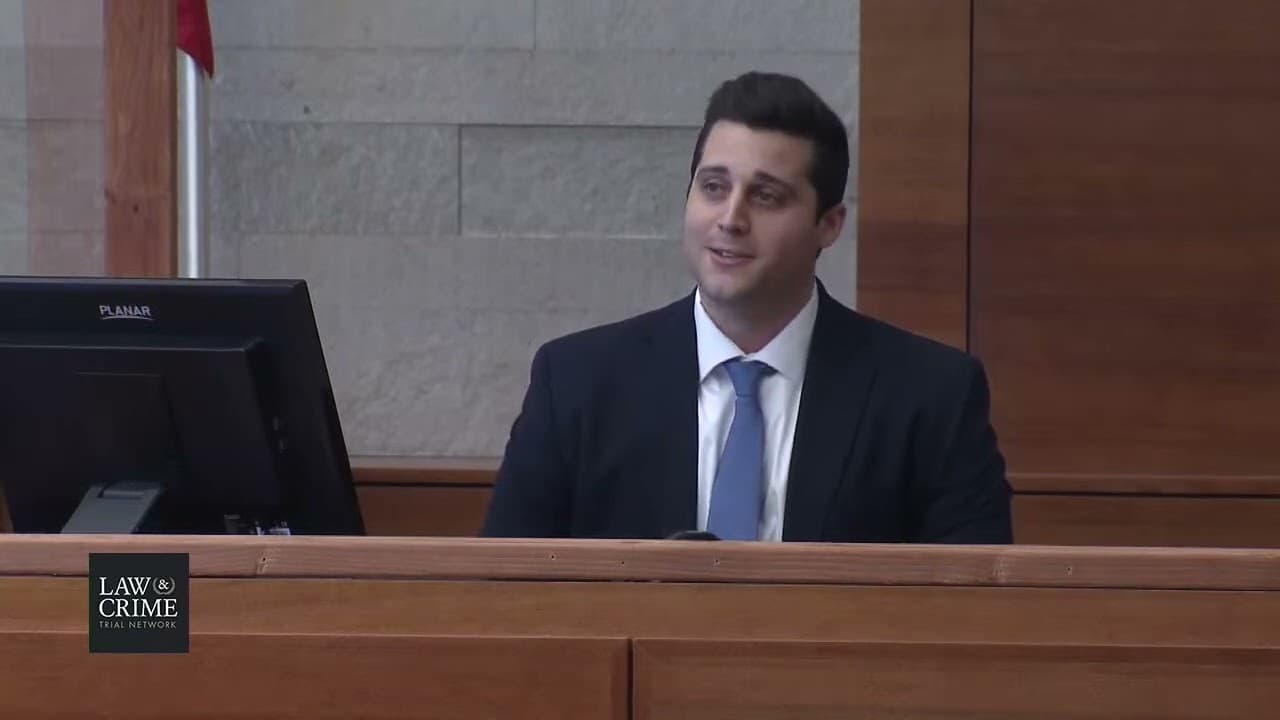
The nurse testified about critical patient care encounters at Mount Carmel West Hospital, including administering medications and responding to emergencies. Key highlights include his involvement in cases such as Ryan Hayes, where he provided palliative care, and other instances emphasizing the importance of rapid response nurses in urgent situations. The testimony underscores challenges in medication administration and the role of family in decision-making.
Transcript
in front of them yeah i just want to see their reaction triggers so um um all right please be seated and mysteriously they all disappeared this morning but let's see how it works okay um we're gonna continue on with the testimony oh i've had a scratchy throat all week i tested this morning i'm negative so if you see me up here eating cough drops it... Read More
Key Insights
- 👨⚕️ The nurse's testimony shed light on the critical role of rapid response nurses in emergency care situations, emphasizing the importance of prompt and effective intervention in saving patients' lives.
- 👨🎨 The discussion around pain management strategies in palliative care highlighted the nurse's considerations for addressing anticipatory pain and promoting comfort during the end-of-life process.
- 😨 The nurse's experience with overrides in urgent scenarios underscored the need for quick decision-making and access to necessary medications to ensure timely patient care and support during critical events.
Install to Summarize YouTube Videos and Get Transcripts
Explore YouTube Video Summarizer or Get YouTube Transcript Extractor
Questions & Answers
Q: How did the nurse describe the role of a rapid response nurse in emergency situations?
The rapid response nurse responds quickly to patient emergencies, assesses conditions, administers medications, and coordinates care with physicians and other healthcare providers. Their main goal is to provide prompt and effective intervention in critical situations.
Q: How did the nurse clarify the practice of administering pain scores for anticipatory pain in end-of-life care?
The nurse mentioned that in palliative extubation situations, a pain score of 10 was entered to address anticipatory pain associated with the process of dying, aiming to ensure the patient's comfort and relief during the sensitive transition.
Q: What insights were shared regarding the use of overrides by the nurse in emergency scenarios?
The nurse explained that overrides for medication access were common in urgent situations, especially during emergencies like code blue responses, where immediate actions were required to address critical patient needs.
Q: How did the nurse emphasize the collaborative approach in patient care at Mount Carmel West Hospital?
The nurse highlighted the multidisciplinary teamwork involving nurses, physicians, pharmacists, and other healthcare professionals in addressing patient needs, ensuring comprehensive care delivery, and facilitating effective communication among the care team members.
Summary & Key Takeaways
-
The nurse discusses various patient interactions, including administering medications, responding to emergencies, and being involved in code situations.
-
The nurse details specific cases involving patients such as Ryan Hayes, Beverly Schertzinger, and Melissa Penix, highlighting the medical actions taken.
-
Information on patient care protocols, medication administration, physician collaboration, and family involvement in decision-making is provided.
Read in Other Languages (beta)
Share This Summary 📚
Summarize YouTube Videos and Get Video Transcripts with 1-Click
Try YouTube Summary with ChatGPT & Claude or YouTube Transcript Generator
Explore More Summaries from Law&Crime Network 📚


Summarize YouTube Videos and Get Video Transcripts with 1-Click
Try YouTube Summary with ChatGPT & Claude or YouTube Transcript Generator