How Do NFTs Work and What Are Their Use Cases?
TL;DR
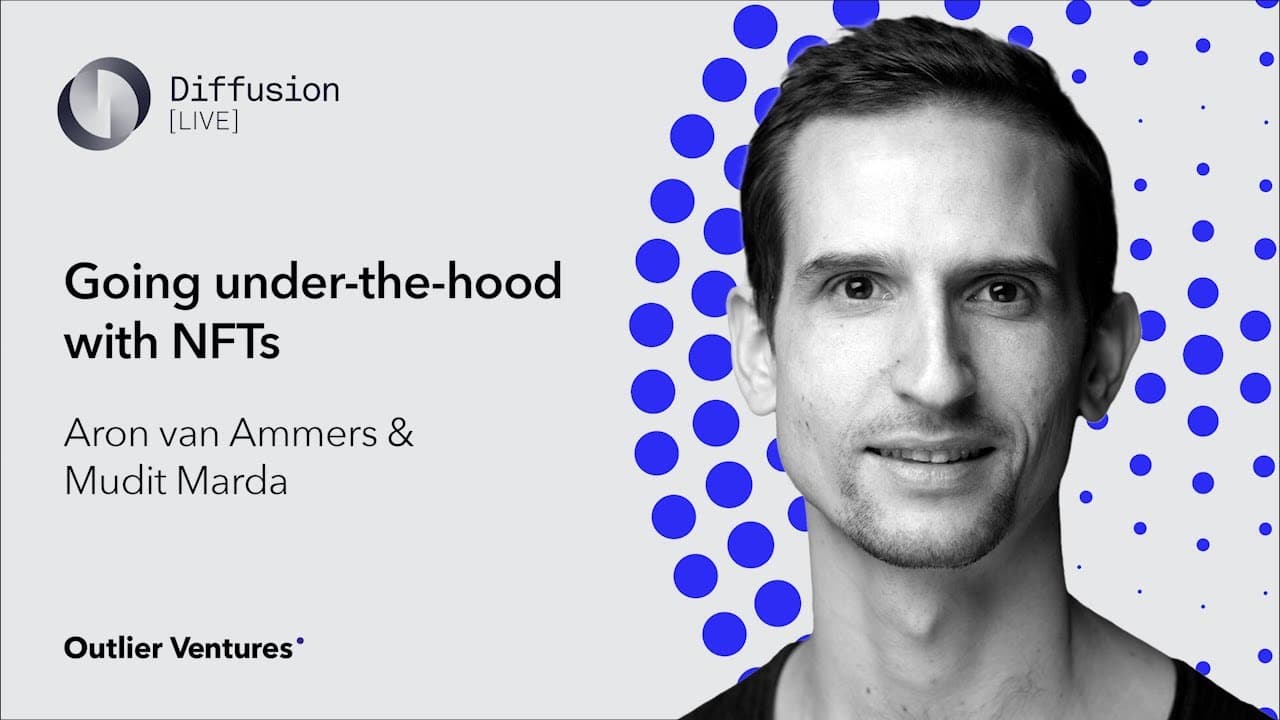
NFTs, or non-fungible tokens, are unique digital assets that represent ownership of specific items, like art or virtual land, distinguishing them from fungible tokens that can be exchanged equivalently. Their key use cases include representing digital art, virtual real estate, and even insurance policies. The primary platforms for creating NFTs are Ethereum-based standards like ERC721 and ERC1155, which influence how these assets function.
Transcript
hello everyone and welcome my name is arthur nomers i am cto and founding partner of outlier ventures and with me is marta early technology analyst and today we'll talk about nfts and i'm very glad you've been able to pull yourself away from or maybe you have them on a side window to charge with bitcoin just not reaching 20k quite yet and the ether... Read More
Key Insights
- 🌍 NFTs represent unique ownership of digital or real-world assets and are distinct from fungible tokens like cryptocurrencies.
- 🏸 Minting platforms and marketplaces enable the creation, buying, and selling of NFTs, with various platforms supporting different types of assets and membership requirements.
- ⛓️ Metadata storage for NFTs can be done on-chain or off-chain, each with its advantages and considerations.
- 🉐 Ethereum has been the dominant platform for NFT adoption, but other platforms like EOS, Waves, and Flow are gaining traction.
- 🌍 NFTs have diverse use cases, including digital art, virtual land ownership, insurance policies, and tokenizing real-world assets.
Install to Summarize YouTube Videos and Get Transcripts
Explore YouTube Video Summarizer or Get YouTube Transcript Extractor
Questions & Answers
Q: What is the difference between fungible and non-fungible tokens?
Fungible tokens can be exchanged for any other token of the same type and are divisible, such as money. Non-fungible tokens are unique and represent ownership of a specific item, such as a piece of art or virtual land.
Q: How do minting platforms and marketplaces work for NFTs?
Minting platforms allow users to create and mint their own NFTs, while marketplaces facilitate the buying and selling of NFTs. Some platforms, like OpenSea, support various blockchain assets, while others, like SuperRare, require exclusive membership.
Q: How is metadata stored for NFTs?
Metadata for NFTs can be stored on-chain or off-chain. On-chain storage keeps the metadata permanently tied to the token, while off-chain storage uses decentralized or centralized methods and links the metadata with a token URI.
Q: Can NFTs be created and traded on other blockchain platforms besides Ethereum?
Yes, other platforms such as EOS, Waves, and Flow also support the creation and trading of NFTs. However, Ethereum remains the most widely adopted platform for NFTs.
Summary & Key Takeaways
-
Non-fungible tokens (NFTs) are unique digital assets that represent ownership of a specific item or piece of art, as opposed to fungible tokens that can be exchanged for any other token of the same class.
-
Ethereum is the most widely used platform for NFTs, with standards like ERC721 and ERC1155 governing their creation and functionality.
-
Use cases for NFTs include digital art, virtual land ownership, insurance policies, and tokenizing real-world assets.
Read in Other Languages (beta)
Share This Summary 📚
Summarize YouTube Videos and Get Video Transcripts with 1-Click
Try YouTube Summary with ChatGPT & Claude or YouTube Transcript Generator
Explore More Summaries from Outlier Ventures 📚





Summarize YouTube Videos and Get Video Transcripts with 1-Click
Try YouTube Summary with ChatGPT & Claude or YouTube Transcript Generator