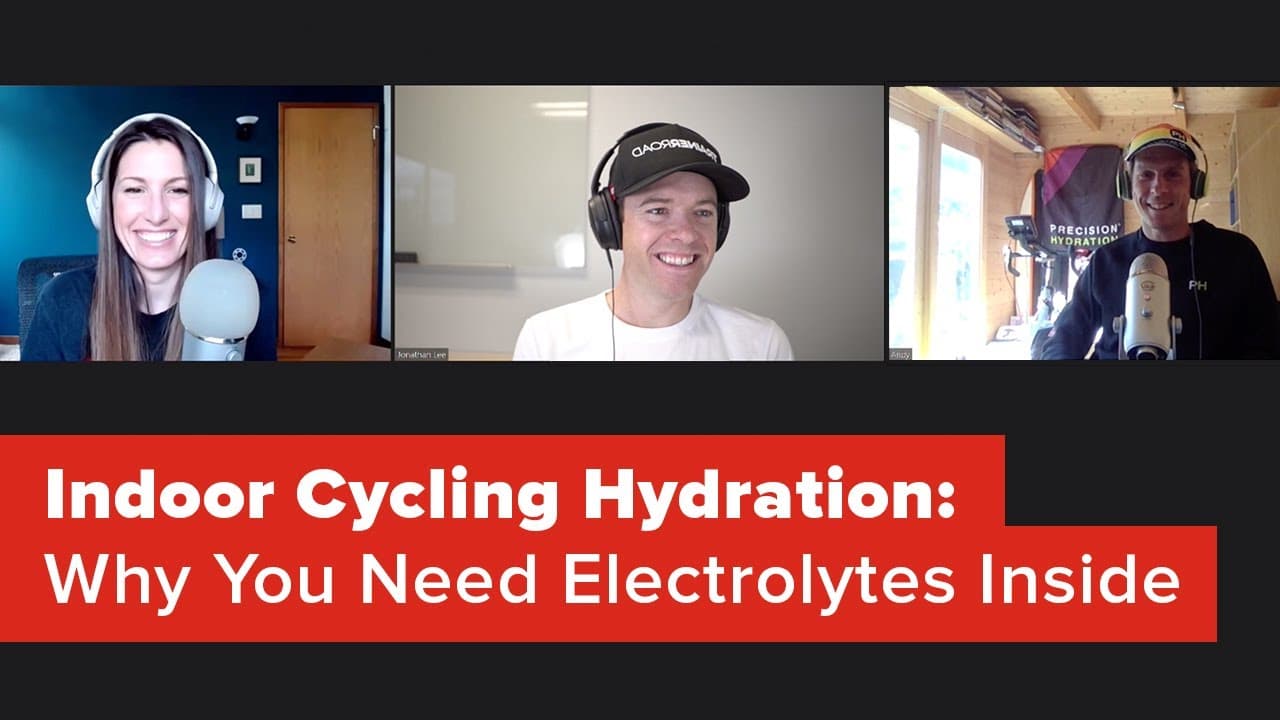
Indoor Cycling Hydration: Why You Need Electrolytes Inside (Ask a Cycling Coach 260)
TL;DR
Indoor training requires special hydration considerations due to increased core body temperature and limited airflow, making it important to stay hydrated and fueled.
Transcript
what individual or unique considerations should athletes take into place in their training inside the common thing that a lot of us do is right amber we think it's just an indoor ride so we we don't feel it the same we wear really bad old kit and then we get a saddle sore uh you know and we do all these different things because it's just an indoor ... Read More
Key Insights
- 😩 Indoor training requires athletes to treat it with the same level of importance as outdoor training, including proper hydration, fueling, and wearing appropriate kit.
- 😅 Athletes tend to sweat more during indoor training due to limited airflow, making hydration a crucial aspect of performance.
- 😅 Longer indoor training sessions necessitate a focused hydration plan, considering individual sweat rates and adjusting intake to maintain performance and aid in recovery.
- 😅 Evaporative cooling is less effective indoors due to limited airflow and increased humidity caused by high sweat rates, making proper fan usage essential.
- 🥵 Heat acclimation can be achieved through indoor training, but athletes should adjust their expectations and intensity levels to account for increased heat stress.
- 🖐️ Fans play a significant role in maximizing cooling during indoor training, and positioning them strategically can increase airflow over the body.
Install to Summarize YouTube Videos and Get Transcripts
Explore YouTube Video Summarizer or Get YouTube Transcript Extractor
Questions & Answers
Q: What unique considerations should athletes take into account during indoor training?
Athletes should treat indoor training as a high-output activity and prioritize hydration, fueling, and wearing appropriate kit. It is not just a casual indoor ride but a peak performance opportunity.
Q: How does hydration play a role in indoor training?
Indoor training tends to cause higher core body temperature due to limited airflow, leading to increased sweating. Athletes should hydrate before, during, and after training sessions, adjusting their intake based on individual sweat rates and duration of the session.
Q: Are there any tips for staying hydrated during longer indoor training sessions?
For sessions lasting two to three hours or longer, drinking to thirst and considering electrolyte intake is crucial. Pre-planning and understanding sweat rates can help ensure proper hydration throughout the session and aid in recovery afterward.
Q: How does the effectiveness of evaporative cooling differ between indoor and outdoor training?
Evaporative cooling is less efficient during indoor training due to limited airflow and increased humidity caused by high sweat rates. Proper fan usage is essential to maximize cooling and performance during indoor training.
Summary & Key Takeaways
-
Indoor training, particularly with Trainer Road, can lead to high levels of output and performance, making it important to prioritize hydration and fueling.
-
Core body temperature tends to increase more quickly during indoor training due to limited airflow, emphasizing the need for proper hydration.
-
Depending on the duration of the training session, considering drinking water or electrolytes during the session can enhance recovery and performance.
Read in Other Languages (beta)
Share This Summary 📚
Summarize YouTube Videos and Get Video Transcripts with 1-Click
Try YouTube Summary with ChatGPT & Claude or YouTube Transcript Generator
Explore More Summaries from TrainerRoad Basics 📚




Summarize YouTube Videos and Get Video Transcripts with 1-Click
Try YouTube Summary with ChatGPT & Claude or YouTube Transcript Generator