Slavoj Žižek on Political Correctness: Why “Tolerance” Is Patronizing | Big Think
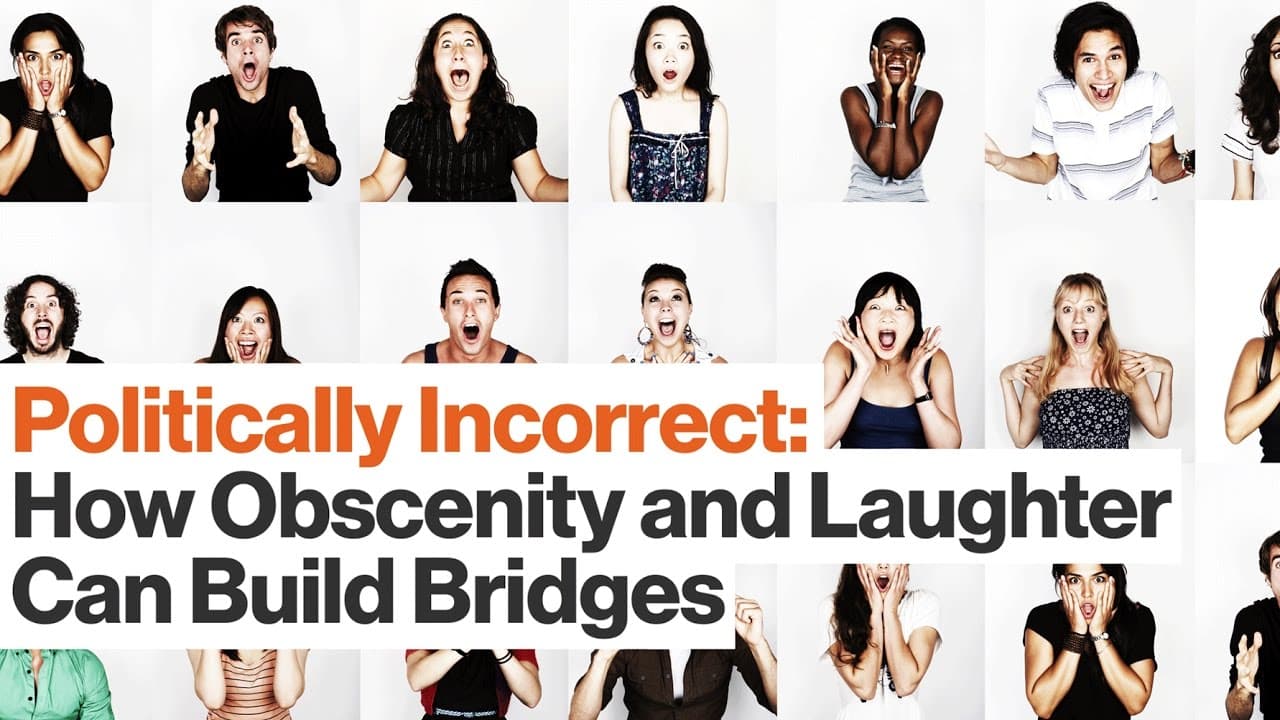
TL;DR
Political correctness fails to address underlying issues like racism and sexism, merely masking them instead.
Transcript
I know that there is a lot of sexual harassment, racism and so on in our lives and I don't doubt that the majority of people who promote political correctness mean it sincerely. I'm not saying that. I'm not saying in the way of right wing paranoia that they are evil people who want to destroy American way of life, I'm just saying this that the way ... Read More
Key Insights
- 😷 Political correctness may inadvertently mask deeper societal issues like racism and sexism.
- 🫡 Building true equality involves fostering an atmosphere of respect where even controversial jokes can be part of interaction.
- 👥 Tolerance, often linked to political correctness, may sometimes hide underlying intolerance towards different groups.
- 🔇 The speaker criticizes the concept of tolerance as an insufficient solution to complex societal problems like racism.
- 🔇 The speaker argues that embracing true equality means addressing underlying biases rather than merely enforcing politically correct language.
- 🫡 Political correctness, while promoting respect on the surface, may fail to facilitate genuine understanding and connection between individuals.
- 🥸 The speaker suggests that tolerance can sometimes be a form of disguised intolerance towards those perceived as different.
Install to Summarize YouTube Videos and Get Transcripts
Explore YouTube Video Summarizer or Get YouTube Transcript Extractor
Questions & Answers
Q: How does political correctness influence societal issues like racism and sexism?
Political correctness aims to address offensive language, but it may hide deeper problems like racism and sexism rather than truly resolving them.
Q: Can dirty jokes be a tool for overcoming racism?
According to the speaker, telling dirty jokes in a non-offensive way among equals can help break barriers and build genuine relationships, potentially reducing tensions related to racism.
Q: What is the speaker's concern about tolerance in the context of political correctness?
The speaker highlights that the concept of tolerance, often linked to political correctness, may sometimes mask underlying intolerance towards those who are perceived as different or inferior.
Q: Why does the speaker believe that true equality involves more than just tolerance?
True equality, according to the speaker, requires a deeper level of understanding and respect among individuals, going beyond surface-level tolerance to address underlying biases and prejudices.
Summary & Key Takeaways
-
Political correctness, while well-intentioned, tends to suppress underlying problems like racism and sexism rather than resolving them.
-
Embracing true equality involves creating an atmosphere where even controversial jokes can be told without offense when mutual respect exists.
-
Tolerance, often associated with political correctness, may actually mask intolerance towards those seen as different.
Read in Other Languages (beta)
Share This Summary 📚
Summarize YouTube Videos and Get Video Transcripts with 1-Click
Try YouTube Summary with ChatGPT & Claude or YouTube Transcript Generator
Explore More Summaries from Big Think 📚
Summarize YouTube Videos and Get Video Transcripts with 1-Click
Try YouTube Summary with ChatGPT & Claude or YouTube Transcript Generator